The Hidden Carbon Cost of Your Camera Roll
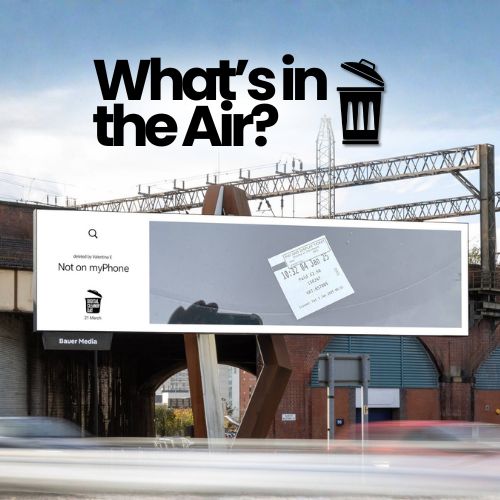
Most people do not think about the environmental impact of the photos they keep on their phones. But every blurry image, duplicate selfie, screenshot and forgotten video stored in the cloud requires energy to remain accessible. “Not on myPhone” brings attention to this invisible problem by showing that digital clutter is not harmless. The campaign turns a private habit into a public conversation, reminding people that even small digital actions can have a real environmental effect.
How “Not on myPhone” Turns Digital Clutter Into a Public Message
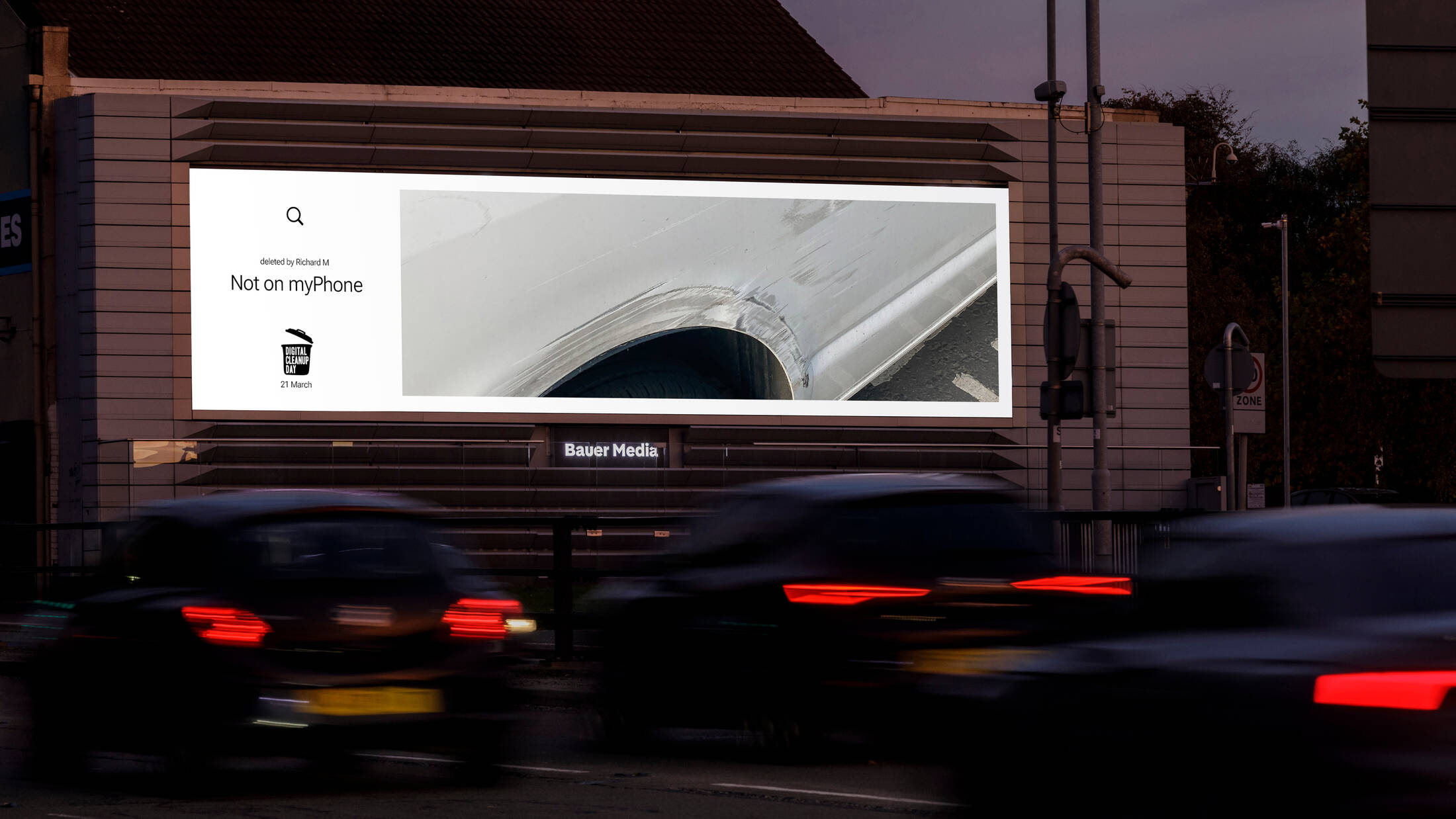
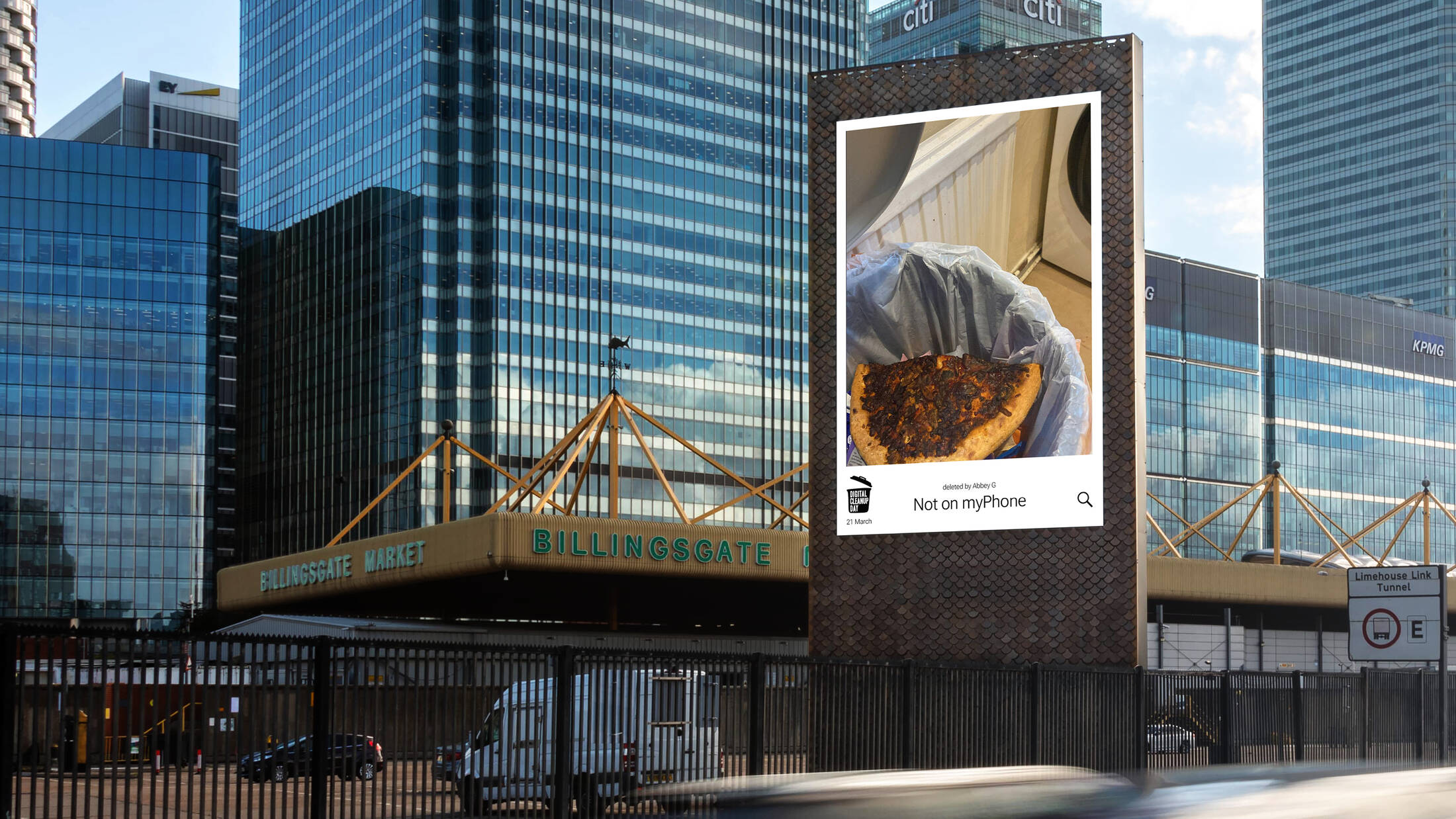
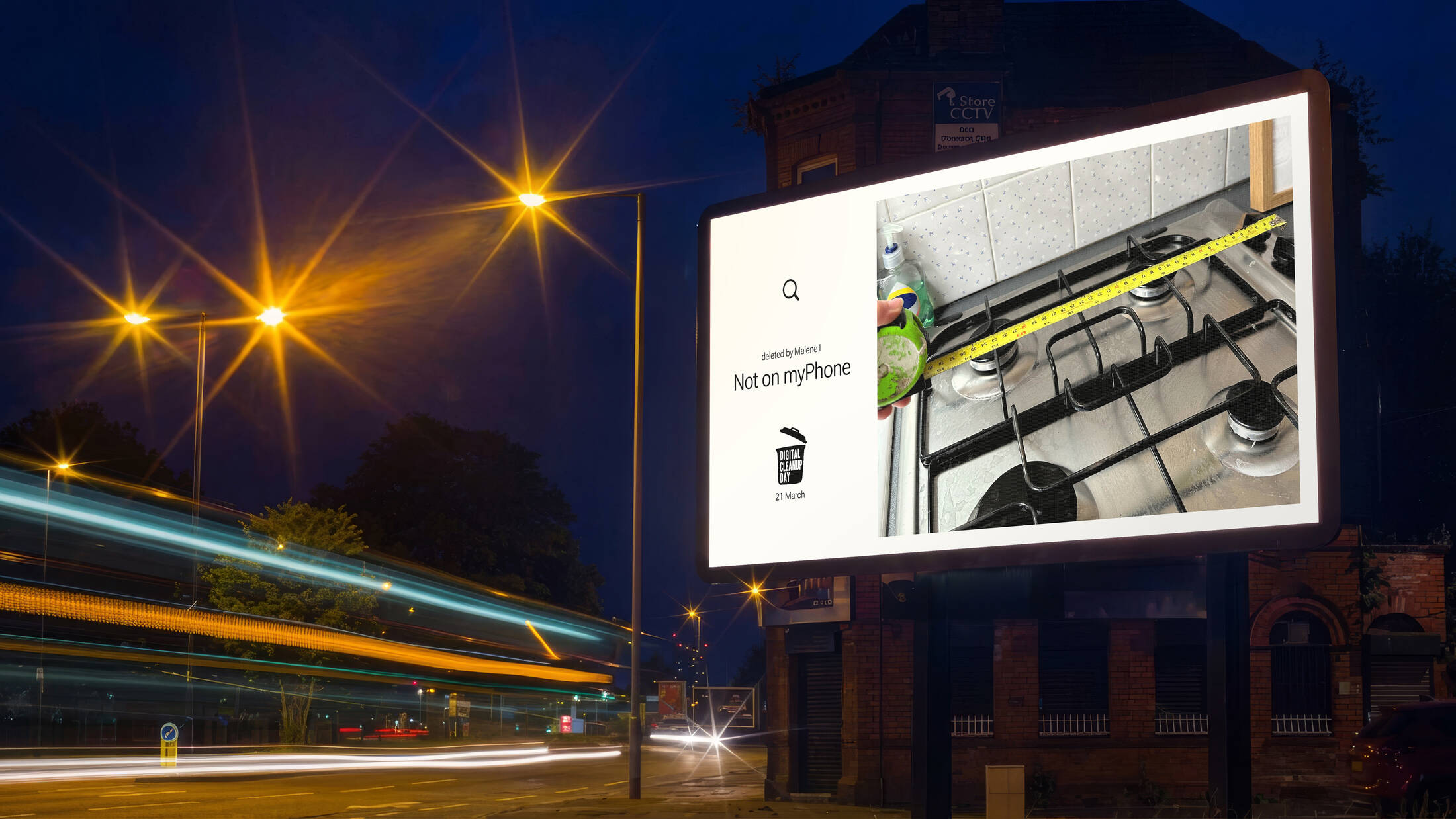
Instead of using polished or aspirational visuals, the campaign embraces the everyday reality of smartphone camera rolls. It features mundane, messy and often unnecessary images that most people would normally ignore. By placing these visuals on premium digital out-of-home screens, the campaign reframes digital waste as something worth noticing. This creative decision makes the message more relatable, because audiences immediately recognize their own behavior in the work.
Why Deleting Photos Can Be a Small Climate Action
At the center of the campaign is a simple call to action: spend 30 minutes cleaning up your phone. The idea is easy to understand and does not ask for a major lifestyle change. That simplicity is what makes the message effective. By encouraging people to delete unwanted photos and videos, the campaign presents digital sustainability as something practical and accessible, showing that climate-conscious behavior can start with everyday habits.
A DOOH Campaign Built From Real Camera Roll Chaos
One of the most compelling elements of “Not on myPhone” is its use of crowdsourced content from real people’s phones. Blurry pictures, accidental snaps, duplicate images and random receipts become the visual language of the campaign. This approach gives the work authenticity and humor while reinforcing the central point: much of what we store digitally has no lasting value. In outdoor advertising, where bold visual impact matters, this contrast between ordinary content and premium media space makes the campaign especially memorable.
How Bauer Media Outdoor and M+C Saatchi Brought the Idea to Life
The partnership between M+C Saatchi Group UK, Bauer Media Outdoor and Let’s Do It World gives the campaign both creative strength and public visibility. Bauer Media Outdoor’s large-format premium DOOH network allows the message to appear in high-traffic urban locations, where commuters and passersby are more likely to reflect on their own phone habits. M+C Saatchi’s creative concept transforms a hidden environmental issue into a culturally relevant piece of communication. Together, they show how out-of-home media can be used not only for brand storytelling, but also for behavior change.
Digital Cleanup Day 2026 and the Global Movement Behind It
The campaign was launched ahead of Digital Cleanup Day 2026, connecting it to a broader international movement focused on digital sustainability. This gives the campaign greater relevance and credibility, because it is not presented as a one-off awareness stunt, but as part of a larger effort to encourage action. By linking the UK outdoor activity to a global initiative, “Not on myPhone” expands its meaning and positions personal digital clean-up as part of a worldwide environmental conversation.
Why This Sustainability Campaign Feels So Relatable
A major reason the campaign works is that it is built around a universal habit. Almost everyone has unnecessary photos or videos stored on their phone, which makes the insight feel immediate and personal. Rather than relying on guilt or fear, the campaign uses familiarity and light humor to create engagement. That tone helps the message land more naturally, proving that sustainability campaigns can be effective when they are grounded in real behavior and presented in a human way.
What Brands Can Learn From “Not on myPhone”
“Not on myPhone” is a strong example of how brands and organizations can communicate environmental issues without becoming overly technical or abstract. The campaign succeeds because it identifies a simple truth, turns it into an easy action, and delivers the message through a striking visual platform. For marketers, it shows the value of combining cultural relevance, behavioral insight and creative clarity. For the OOH industry, it is also a reminder that digital out-of-home can be a powerful medium for social awareness, not just commercial promotion.
Summary
Launched on 20 March 2026 ahead of Digital Cleanup Day, “Not on myPhone” reframes digital clutter as an environmental issue. The campaign uses crowdsourced blurry photos, screenshots and duplicate images on premium DOOH sites in cities including London, Manchester, Leeds, Glasgow and Edinburgh. Its message is simple: small digital cleanups can support more sustainable habits. The wider Digital Cleanup Day movement says participants across 175 countries and territories have already deleted more than 16.8 million GB of data since 2020, helping prevent thousands of tons of annual CO₂ emissions.
Sources
Frequently Asked Questions
It is a sustainability-focused DOOH campaign encouraging people to delete unwanted photos and reduce the hidden emissions linked to digital storage.
The campaign was launched by M+C Saatchi Group UK and Bauer Media Outdoor in partnership with environmental charity Let’s Do It World.
It launched across the UK on premium digital out-of-home sites, including placements in London, Manchester, Leeds, Glasgow and Edinburgh.
Because storing unnecessary digital files uses energy through cloud and data infrastructure, creating an often invisible carbon footprint. Digital Cleanup Day exists to raise awareness of that impact.
Instead of polished smartphone photography, the ads feature ordinary clutter from real camera rolls, such as blurry shots, duplicates and screenshots, turning a familiar habit into a public sustainability message.
Ready to advertise outdoors?
BM Outdoor plans, buys and prints OOH campaigns across all 50 states. Request a free quote with no commitment.











Comments
Be the first to comment.