Heineken Reconnects Cities With Global ‘Rooftop Revival’ Campaign · 2025-10-06 · 4 min read · By Zanni GA — BM Outdoor
Heineken Reconnects Cities With Global ‘Rooftop Revival’ Campaign
Zanni GA — BM Outdoor 2025-10-06 4 min read#OOH#Outdoor Advertising
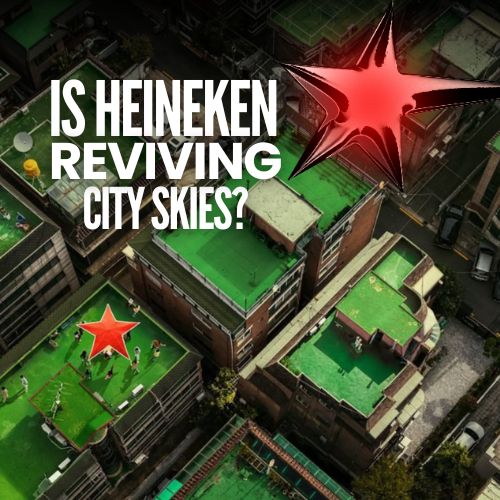
Quick answer: Heineken’s ‘Rooftop Revival’ transforms unused rooftops into cultural meeting points, starting in Seoul with live music, art, and culinary events to reconnect urban communities.
Frequently Asked Questions
It’s a global initiative that reimagines unused rooftops as spaces for social connection, starting in Seoul with cultural and creative experiences.
To address rising loneliness in major cities by transforming overlooked rooftops into places that inspire community, creativity, and human connection.
Over 8,000 people attended concerts, art workshops, and culinary sessions led by figures like Dino from SEVENTEEN, artist Cha Inchul, and chef Cho SeoHyeoung.
‘Rooftop Revival’ reinforces Heineken’s belief that great moments happen when people come together, blending OOH creativity with social purpose.
The brand hopes to inspire other cities to transform unused spaces into opportunities for social reconnection, strengthening its global positioning as a catalyst for togetherness.
Bottom line: Heineken’s global campaign ‘Rooftop Revival’ invites people to rediscover unused city rooftops as spaces for connection. Launching in Seoul, the project uses satellite imagery to map forgotten rooftops and turn them into venues for concerts, art, and gastronomy — addressing urban loneliness and promoting meaningful social interaction through creativity and culture.
Ready to advertise outdoors?
BM Outdoor plans, buys and prints OOH campaigns across all 50 states. Request a free quote with no commitment.
Explore key OOH formats by category and jump into details for specs, placements, and availability.
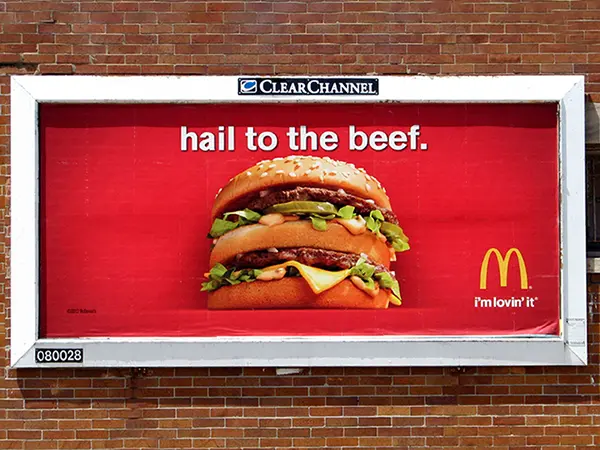
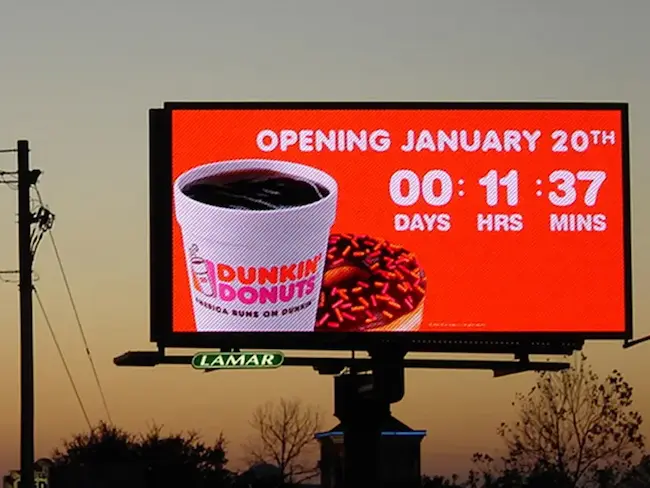
Billboards
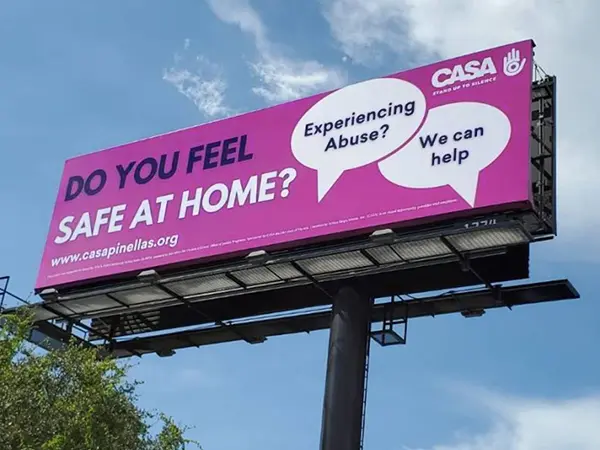
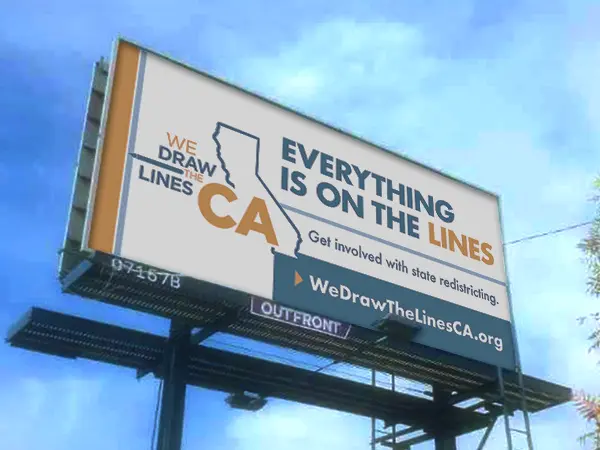
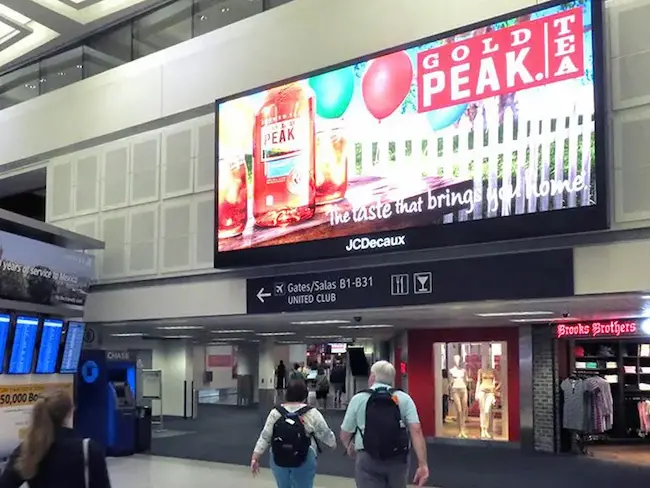
Billboards are large outdoor advertising structures that attract attention from drivers and pedestrians. They provide an excellent platform for brands to showcase their message to a wide audience.
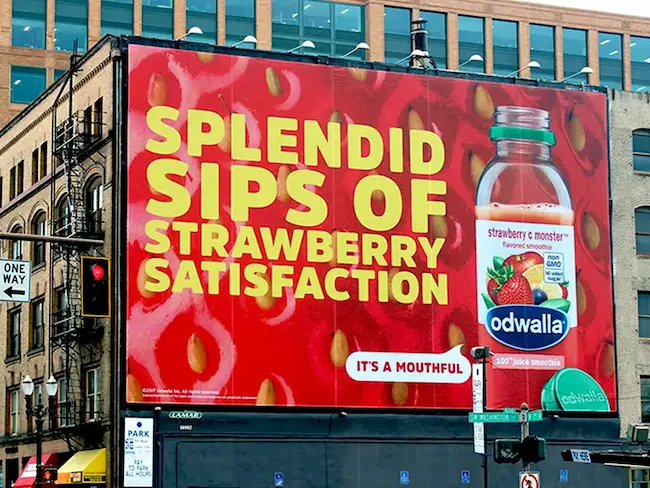
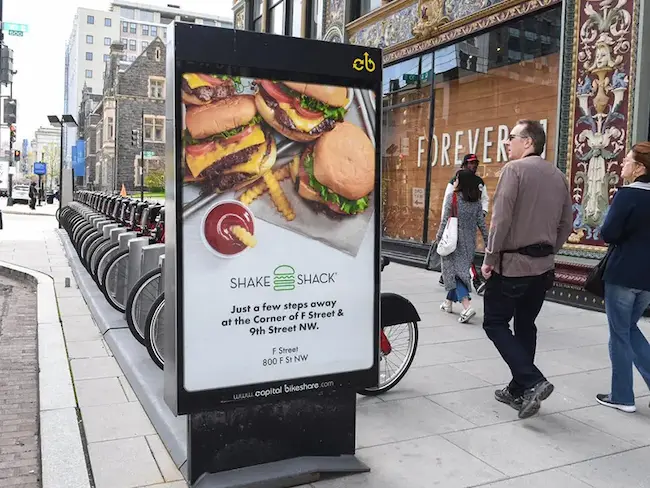
Posters are versatile advertising formats typically used in high-traffic areas. They can effectively convey promotional messages or branding with striking visuals.
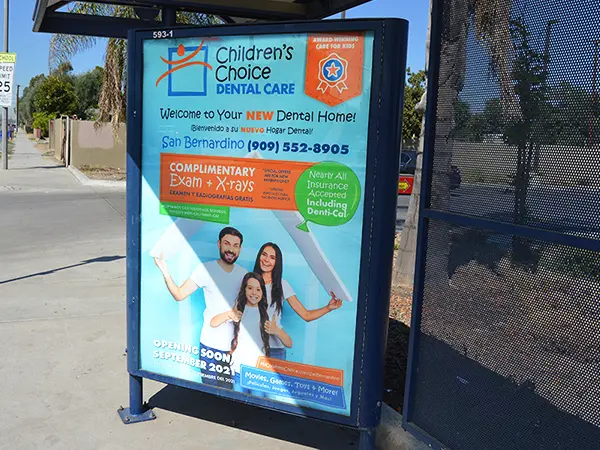
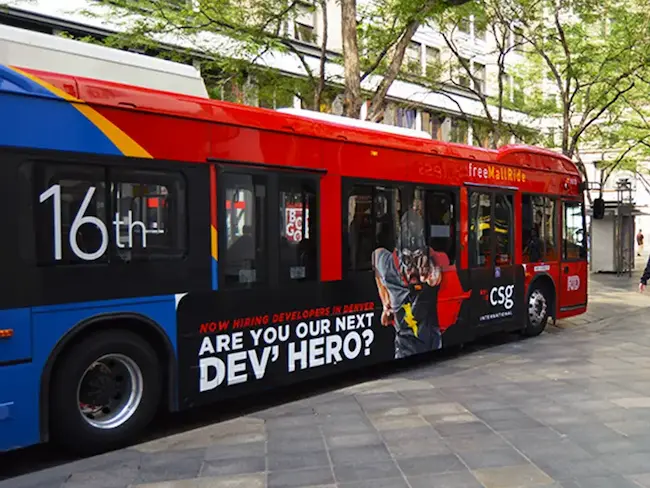
Transit advertising takes advantage of public transport systems to reach commuters. It includes ads on buses, subway stations, and shelters, ensuring maximum visibility to a diverse audience.
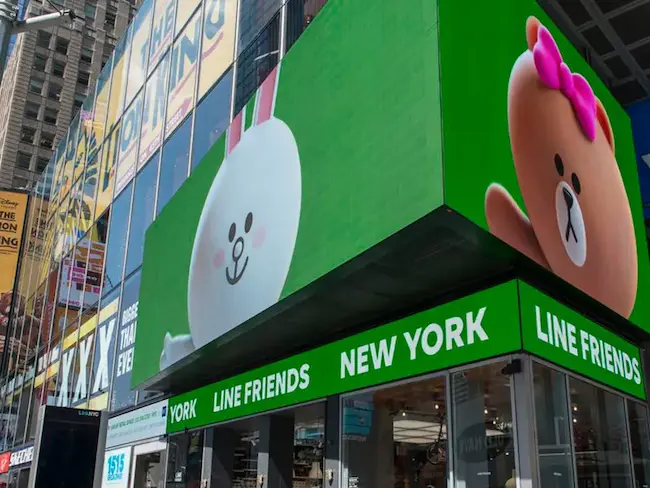
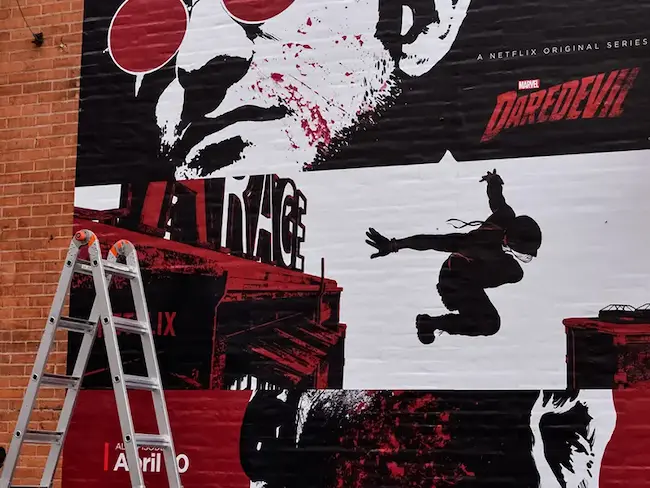
Specialty advertising encompasses unique formats, such as murals and kiosks, which can provide a creative and engaging way to connect with consumers in specific locations.






Comments
Be the first to comment.