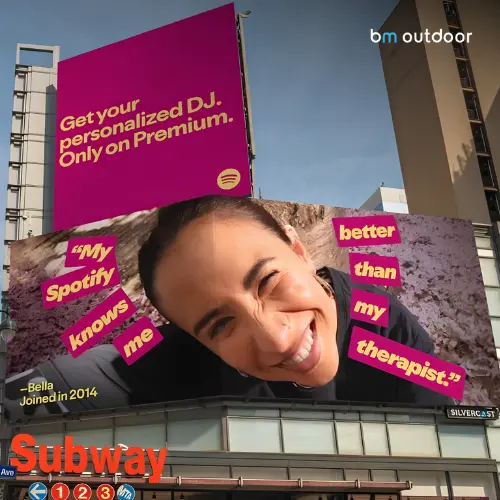
Global Billboard and Advertising Trends Reshaping OOH
Outdoor advertising is entering a more connected phase. Billboards remain valuable for broad public reach, but digital technology is changing how campaigns are bought, displayed and evaluated across global markets.
According to the World Out of Home Organization, global OOH spending reached $54.2 billion in 2025, with digital out-of-home representing approximately 47% of the medium.
DOOH Moves Toward Half of Global OOH Spending
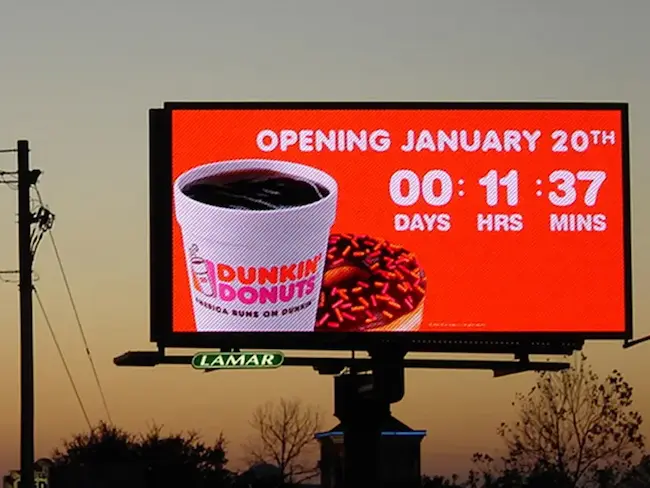
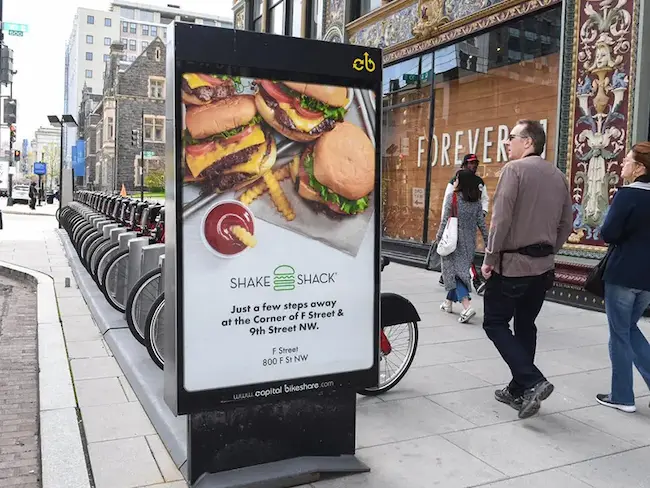
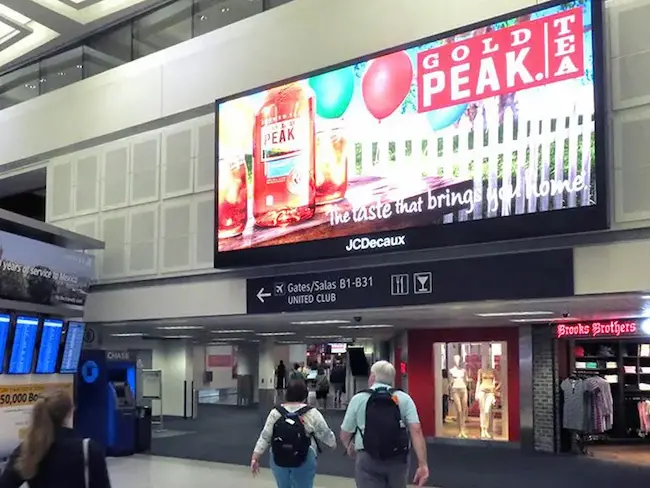
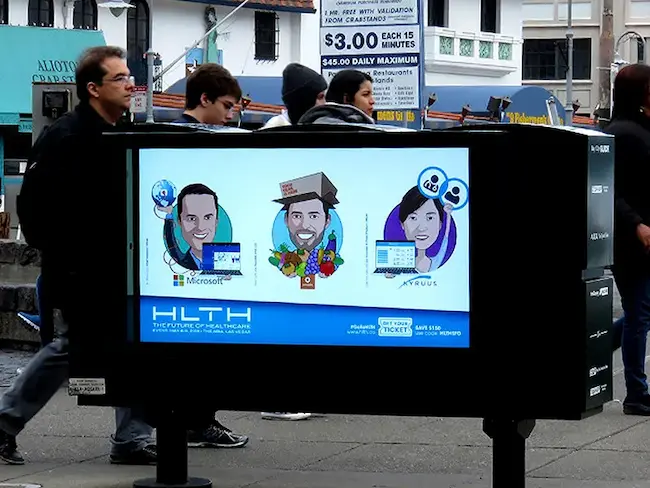
Digital billboards are the main growth engine for outdoor advertising. Their flexibility allows media owners to rotate advertisers, update messages quickly and use the same screen for different audiences, times and conditions.
DOOH is forecast to approach 49% of global OOH spending in 2026, bringing digital and traditional formats close to an even share of the market.
Programmatic Buying Becomes More Important
Programmatic DOOH is expanding because it gives advertisers greater control over timing, location, audience signals and budget. Campaigns can be activated around weather, mobility, events or other relevant conditions.
This also makes OOH easier to combine with mobile, social, connected television and other digital channels within a coordinated media strategy.
Measurement Becomes More Standardised
Audience measurement is moving from estimated visibility toward more consistent data on reach, frequency, movement and campaign delivery.
Updated global measurement guidelines introduced in 2026 reflect the industry’s effort to create clearer and more comparable standards across markets.
Creative Becomes More Contextual
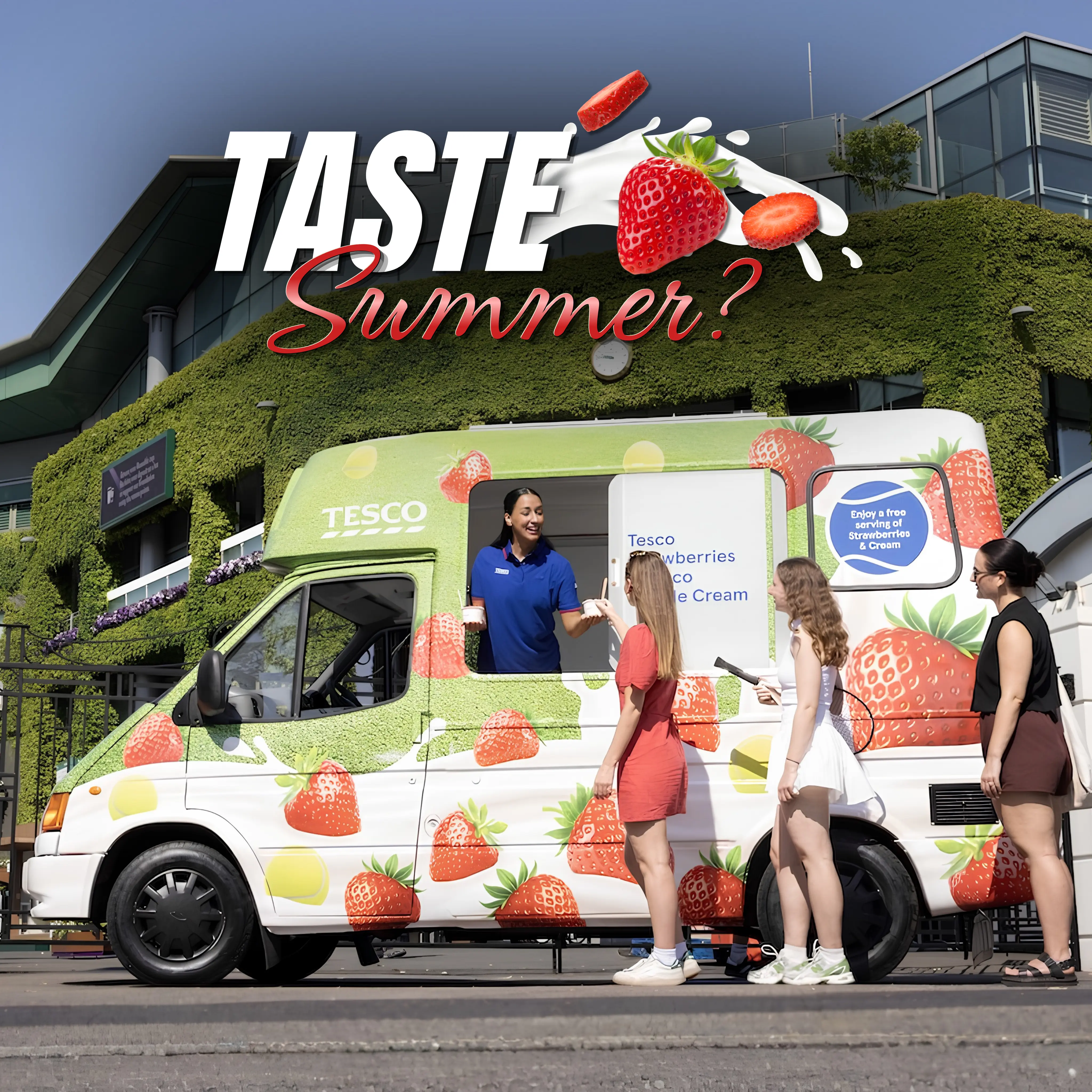
Brands are increasingly adapting billboard messages to location, time, weather and cultural moments. AI and automation can accelerate this process, but simple ideas that are immediately understood still perform best outdoors.
Large-format digital screens, special builds and three-dimensional executions continue to attract attention, while classic static billboards remain effective when the message is clear and distinctive.
Sustainability Influences Media Decisions
Advertisers and media owners are paying greater attention to energy use, renewable power, reusable materials and the carbon impact of installations.
The next stage of global billboard advertising will be defined by how effectively the industry combines scale, technology, creative impact, transparent measurement and responsible infrastructure.
What Brands Should Prioritise
Brands should choose formats according to campaign objectives rather than treating every billboard the same. Static OOH offers lasting visibility, while DOOH adds speed, flexibility and contextual relevance.
The strongest campaigns will use technology to improve planning and delivery without losing the simple, memorable communication that makes outdoor advertising powerful.
Summary
Global OOH spending reached $54.2 billion in 2025, while DOOH grew to approximately 47% of the market and continues moving toward half of total outdoor investment.
Programmatic buying, contextual creative, improved measurement and sustainability are making billboards more flexible and accountable, while clear ideas and strong locations remain essential to campaign performance.
Frequently Asked Questions
The strongest trend is the continued growth of digital out-of-home, which is approaching half of total global OOH spending.
Programmatic DOOH uses automated platforms and data to purchase digital outdoor inventory according to selected audiences, locations, times or conditions.
No. Static billboards continue to provide broad visibility and long exposure, while digital screens add flexibility and faster creative changes.
The industry is adopting more consistent audience, mobility and delivery standards to improve estimates of reach, frequency and campaign performance.
Ready to advertise outdoors?
BM Outdoor plans, buys and prints OOH campaigns across all 50 states. Request a free quote with no commitment.














Comments
Be the first to comment.