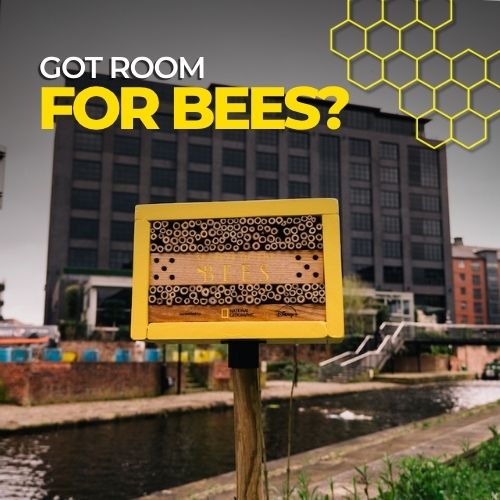
Turning OOH Into Real Environmental Impact
Most outdoor campaigns aim to capture attention, but this execution goes further by creating tangible value. Instead of using billboards purely as communication tools, the campaign reimagines them as living habitats.
The bloomboards are filled with more than 500 bee-friendly plants, designed not only to look visually appealing but to actively support pollination. This transforms OOH into something functional, where the medium itself becomes part of the solution.
From Awareness to Action
Environmental campaigns often rely on messaging to inspire change, but this one takes a more direct approach. Rather than asking audiences to care about bees, it actively contributes to their survival.
By installing bee hotels and planting pollinator-friendly vegetation, the campaign shifts from storytelling to real-world impact. It removes the gap between awareness and action, making the brand’s message more credible and meaningful.
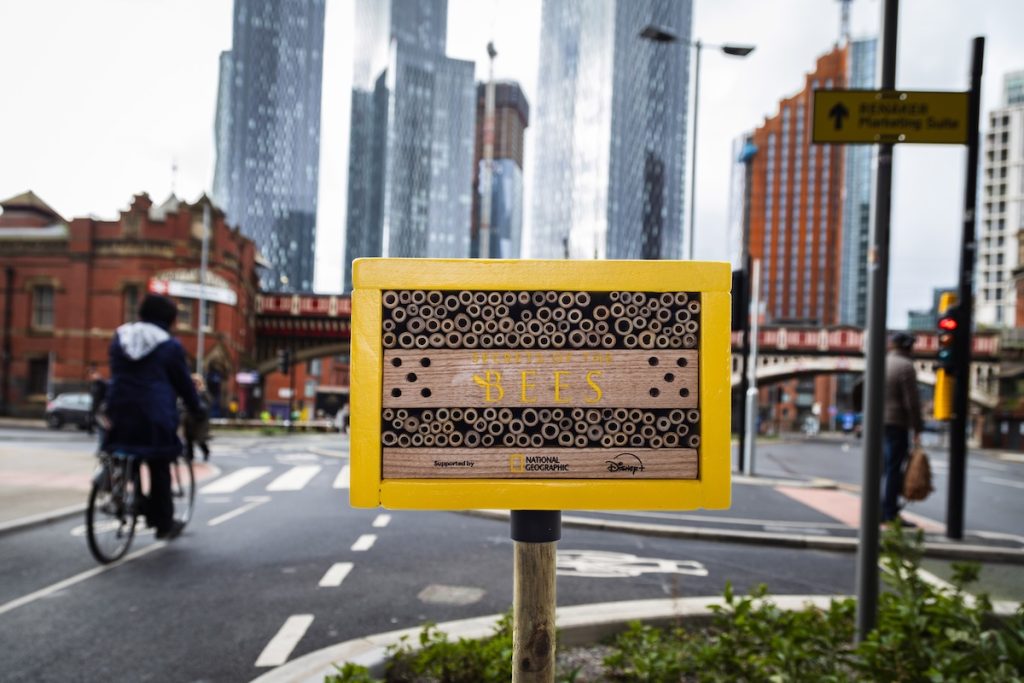
Strategic Location and Community Integration
The installations are placed across key locations in Manchester, including parks and urban areas such as Chorlton Water Park, Wythenshawe Park, Fletcher Moss Botanical Garden and the Northern Quarter.
This placement is not accidental. It ensures that the campaign exists where bees can actually thrive, while also integrating into spaces where people interact with nature daily. The collaboration with the Manchester & District Beekeepers’ Association and local communities reinforces this connection, adding authenticity to the initiative.
A Campaign Designed to Last
One of the strongest aspects of this idea is its permanence. Unlike traditional campaigns that disappear after a few weeks, these installations are designed to remain and continue providing value over time.
This long-term approach changes how we think about advertising. It suggests that campaigns can leave behind something beneficial, rather than just impressions and reach. The use of sustainably sourced timber further supports this idea, aligning execution with message.
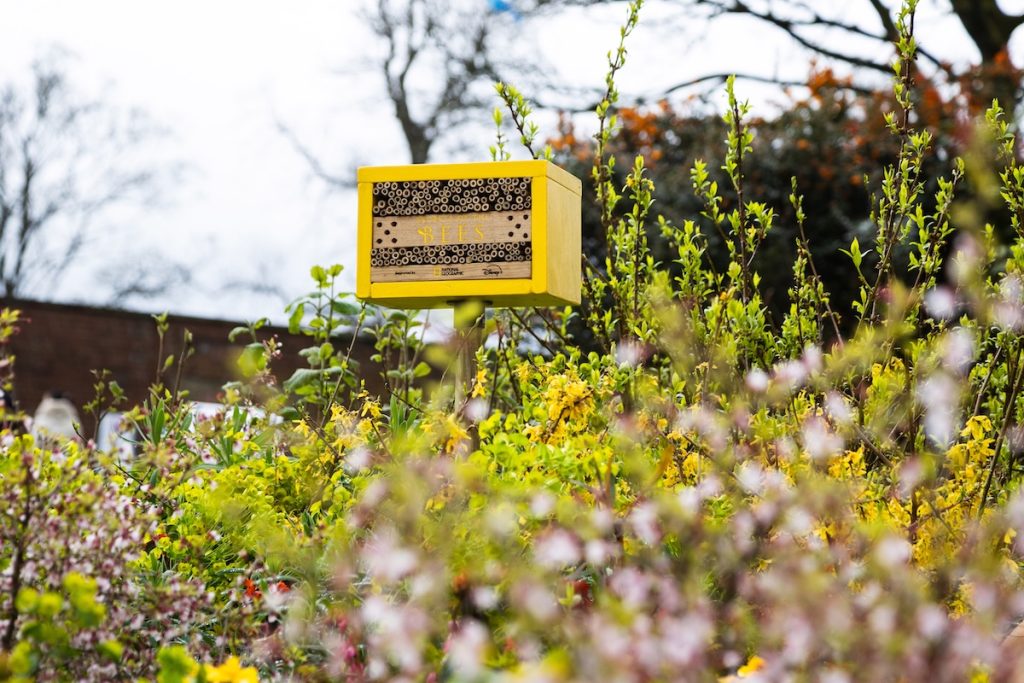
OOH as a Medium for Purpose-Driven Innovation
This campaign highlights the evolving role of Out-of-Home media. OOH is no longer limited to visibility and scale, it can also deliver utility and purpose.
By turning advertising spaces into ecosystems, brands can create deeper engagement and stronger emotional connections. The audience is not just exposed to a message, they experience its impact directly.
Why This Campaign Stands Out
The campaign stands out because it aligns message, medium and action seamlessly. It uses a real environmental issue, delivers a functional solution, and integrates it into everyday spaces. This creates a level of authenticity that traditional campaigns often struggle to achieve.
It also expands the role of advertising, showing that media can be both communicative and contributive at the same time.
Summary
National Geographic and Meanwhile reimagine OOH by transforming billboards into living ecosystems that support pollinators. Instead of relying only on messaging, the campaign delivers a tangible environmental benefit with more than 500 bee-friendly plants integrated into bloomboards. Installed across Manchester, the project combines strategic placement, community collaboration, and sustainable materials to create lasting impact. The initiative also supports the launch of The Secrets of the Bees, aligning content with real-world action. By making the medium part of the message, the campaign elevates OOH into a purpose-driven platform.
Frequently Asked Questions
To transform outdoor advertising into functional bee habitats that support pollinators while promoting a documentary.
In Manchester, including parks and urban areas like Chorlton Water Park and the Northern Quarter.
They are billboard structures filled with bee-friendly plants that serve as both advertising and pollinator habitats.
Because it provides real environmental value instead of just delivering a message.
The Secrets of the Bees, presented by Bertie Gregory.
Ready to advertise outdoors?
BM Outdoor plans, buys and prints OOH campaigns across all 50 states. Request a free quote with no commitment.




Comments
Be the first to comment.