
Why OOH Should Start the Funnel
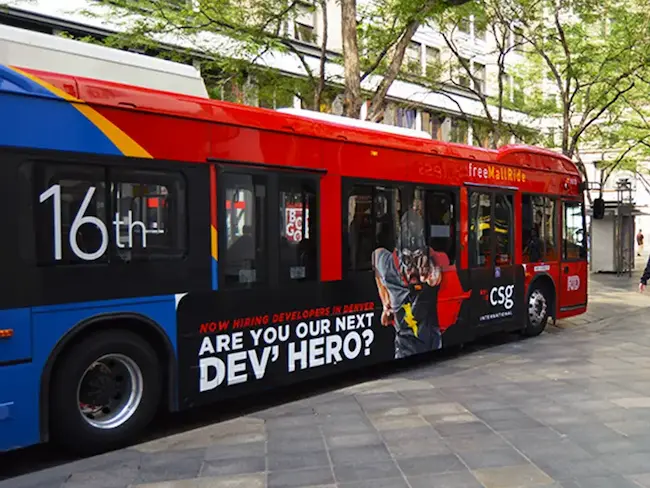
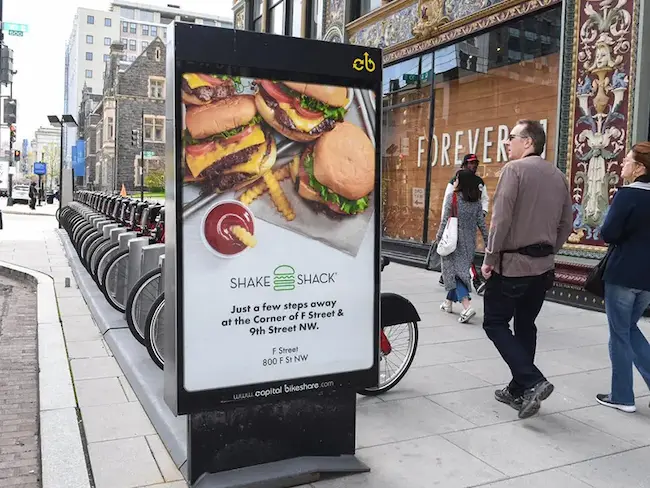
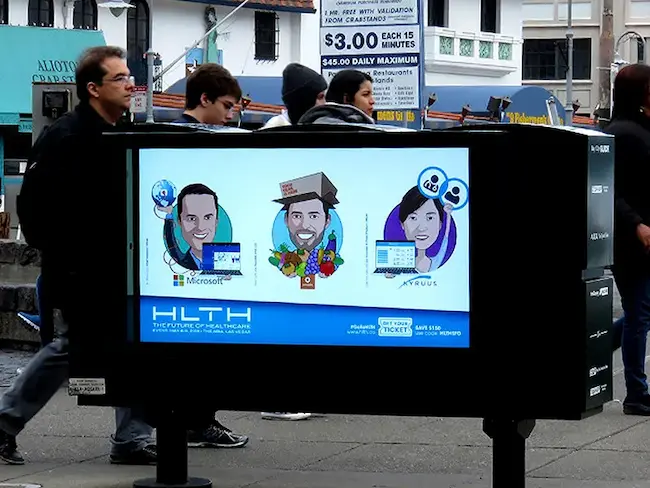
Most digital channels are excellent at capturing people who already show intent. OOH does something different: it creates memory before the click. A person sees the brand on a commute, outside a retail district, near an airport, around an event, or in a high-traffic corridor. Later, that same person is more likely to notice the brand in a feed, search for it, or respond to a retargeting message.
That is why the question is not whether OOH competes with CTV, social, or search. The better question is how OOH makes those channels work harder.
The 2026 Funnel Structure
- OOH creates public salience: large-format, transit, street-level, airport, or place-based inventory makes the brand visible.
- CTV adds story depth: the audience sees the broader message after OOH has created familiarity.
- Social adds repetition and sharing: short-form assets repeat the same memory cue in a more personal environment.
- Search captures intent: branded and category searches rise when curiosity becomes action.
- Landing pages convert: fast, market-specific pages connect the real-world exposure to a next step.
Creative Consistency Matters More Than Matching Assets
The OOH creative does not need to be the same file as the CTV spot or social video. It does need to share the same memory cue. That can be a color system, product shape, spokesperson, sonic line translated visually, campaign phrase, offer, or distinctive image.
If people cannot connect what they saw outdoors with what they later see online, the funnel loses force.
Measurement: What to Watch First
- Delivery: markets, units, dates, and proof-of-play where digital inventory is used.
- Intent: branded search lift, direct traffic, organic traffic, and landing page visits.
- Engagement: social video views, CTV completion, retargeting pool size, and repeat visits.
- Conversion: lead forms, store visits, purchases, bookings, app installs, or calls.
The primary KPI should be chosen before launch. Everything else becomes supporting evidence.
BM Outdoor Takeaway
OOH is not a disconnected awareness buy. It is the public trigger for the rest of the funnel. Brands that coordinate outdoor creative with CTV, social, search, and market landing pages will get cleaner measurement and stronger recall than brands that treat every channel as a separate campaign.
FAQs
Why pair OOH with CTV and social?
OOH creates public familiarity, while CTV and social give the campaign more repetition, story depth, and audience-level sequencing.
What should search do during an OOH campaign?
Search should capture the intent that OOH creates. Branded search coverage, fast landing pages, and market-specific pages reduce demand leakage.
How should this funnel be measured?
Start with delivery, then track branded search lift, direct traffic, site engagement, retargeting pools, and conversion behavior in exposed markets.
Sources
- OAAA - The Value of OOH
- OAAA - Out of Home Advertising Revenue Reaches Record $9.46 Billion
- IAB - Digital Out-Of-Home Measurement Guide
Frequently Asked Questions
OOH creates public familiarity, while CTV and social give the campaign more repetition, story depth, and audience-level sequencing.
Search should capture the intent that OOH creates. Branded search coverage, fast landing pages, and market-specific pages reduce demand leakage.
Start with delivery, then track branded search lift, direct traffic, site engagement, retargeting pools, and conversion behavior in exposed markets.
Ready to advertise outdoors?
BM Outdoor plans, buys and prints OOH campaigns across all 50 states. Request a free quote with no commitment.















Comments
Be the first to comment.