
Why Events Use OOH
Events need attention in a specific market before a specific date. That makes OOH a natural fit. A billboard can make a concert, festival, sports event, conference, exhibition, or community event feel real in the city where attendance matters. It also creates repeated reminders that digital ads alone may not deliver.
OOH is especially useful when the audience moves through predictable places: near the venue, entertainment districts, campuses, nightlife corridors, hotel zones, airport routes, downtown approaches, or commuter paths. The board becomes a public signal that the event is happening and worth planning around.
Plan the Flight Around the Event Calendar
Event campaigns should be built backward from the event date. Early OOH creates awareness. Mid-flight OOH reminds people to buy. Late-stage OOH pushes urgency. If the campaign only starts in the final days, it may reach people too late to coordinate schedules, transportation, babysitting, travel, or group plans.
| Timing | OOH Role | Message Focus |
|---|---|---|
| 6-10 weeks out | Launch awareness | Event name, date, venue, headline talent |
| 3-5 weeks out | Drive consideration | Tickets on sale, lineup, early pricing, registration |
| 1-2 weeks out | Create urgency | This weekend, last chance, limited seats, final tickets |
| Event week | Directional and reminder | Venue route, parking, gate time, tonight |
Where to Place Event Billboards
Start with the venue, then map the audience. A concert may need nightlife corridors and campus routes. A trade show may need airport roads, hotel zones, downtown business corridors, and convention center approaches. A family festival may need suburban retail, school routes, and weekend shopping paths. A sports event may need commuter routes and fan neighborhoods.
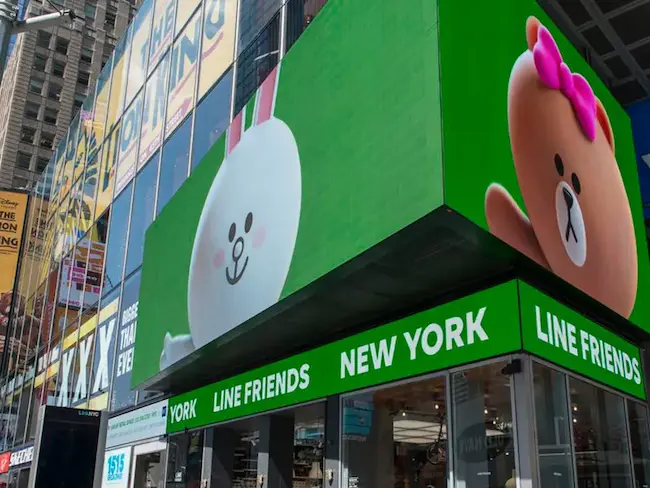
For large markets, the best locations may not be the most obvious. In Los Angeles, route selection can matter more than citywide coverage. In New York City, transit, pedestrian, and high-dwell formats may support ticket action better than only roadside boards.
Match the Plan to the Event Type
A concert, conference, family festival, sports event, and trade show should not all use the same OOH plan. Concerts often need artist recognition and nightlife or campus corridors. Conferences need business districts, airports, hotels, and convention routes. Family events need suburban reach, schools, retail centers, and weekend traffic. Sports events need fan neighborhoods, commuter corridors, and venue approaches.
The more specific the event audience, the more specific the OOH geography should be. A niche conference may not need broad citywide reach. A city festival may need wider coverage because the target is general market attendance.
Creative That Sells the Event Quickly
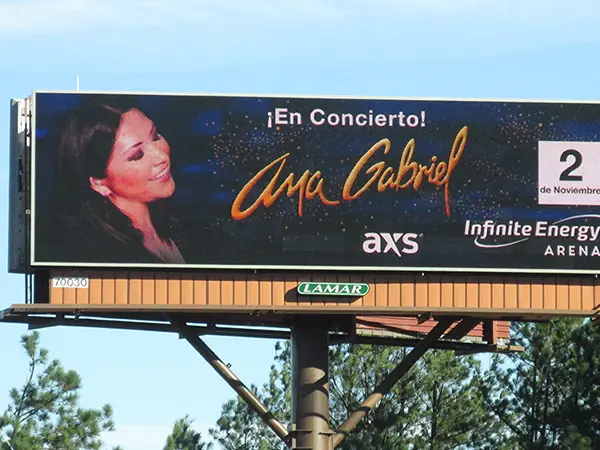
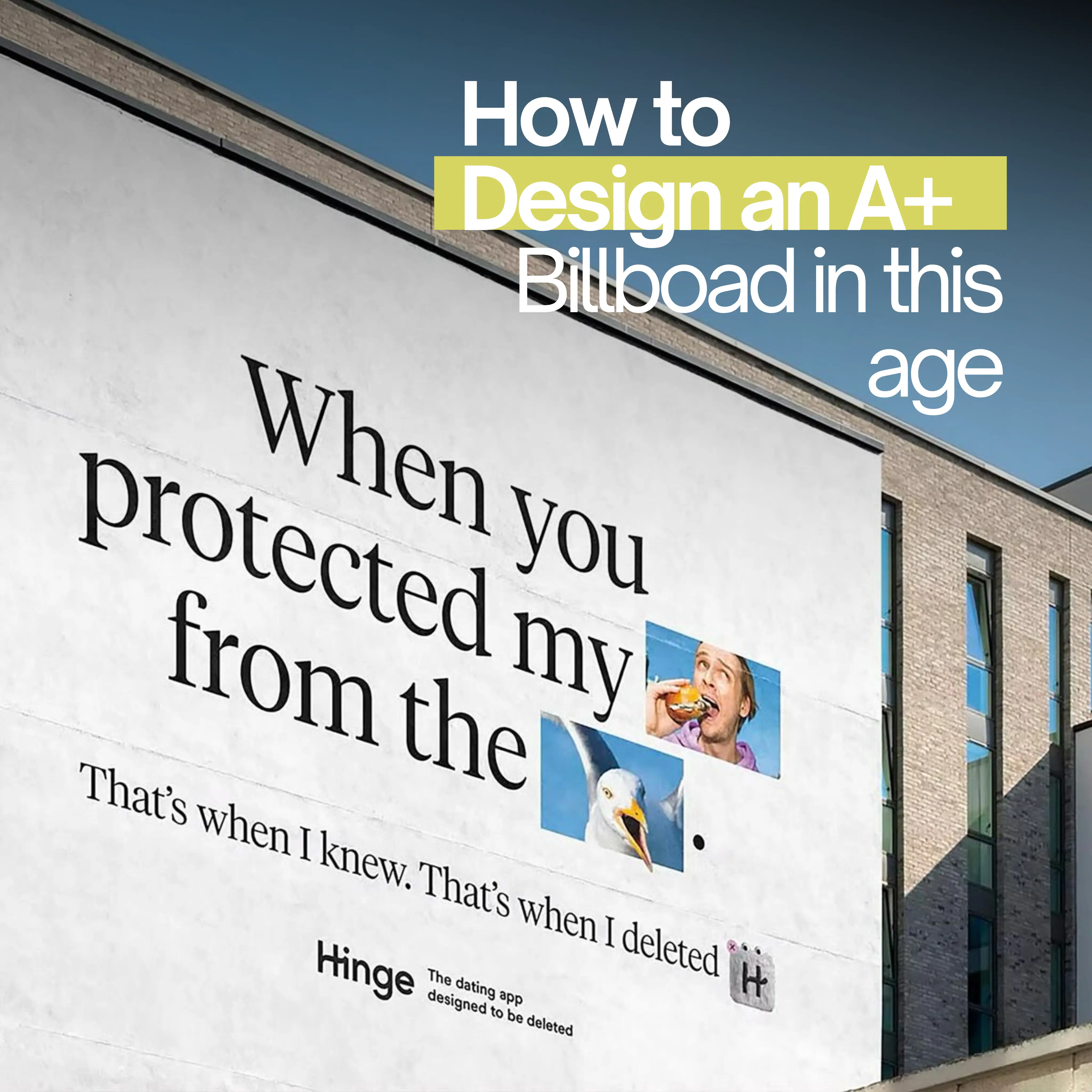
An event billboard should answer five questions fast: what is it, when is it, where is it, why should I care, and how do I buy. That does not mean cramming every sponsor, performer, and detail onto the board. Use the strongest draw. If the headline artist sells tickets, feature the artist. If the venue is iconic, use the venue. If the event is urgent, use the date.
For creative discipline, review BM Outdoor's billboard design best practices guide. Event boards fail when the lineup is unreadable, sponsor logos dominate, or the ticket action is too small.
Digital vs Static for Event Campaigns
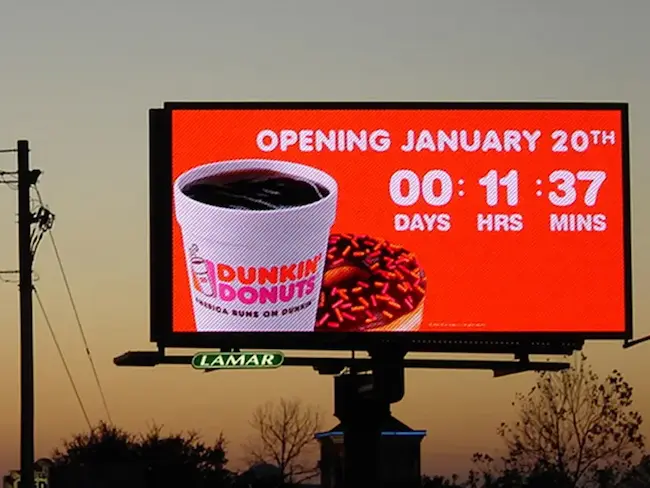
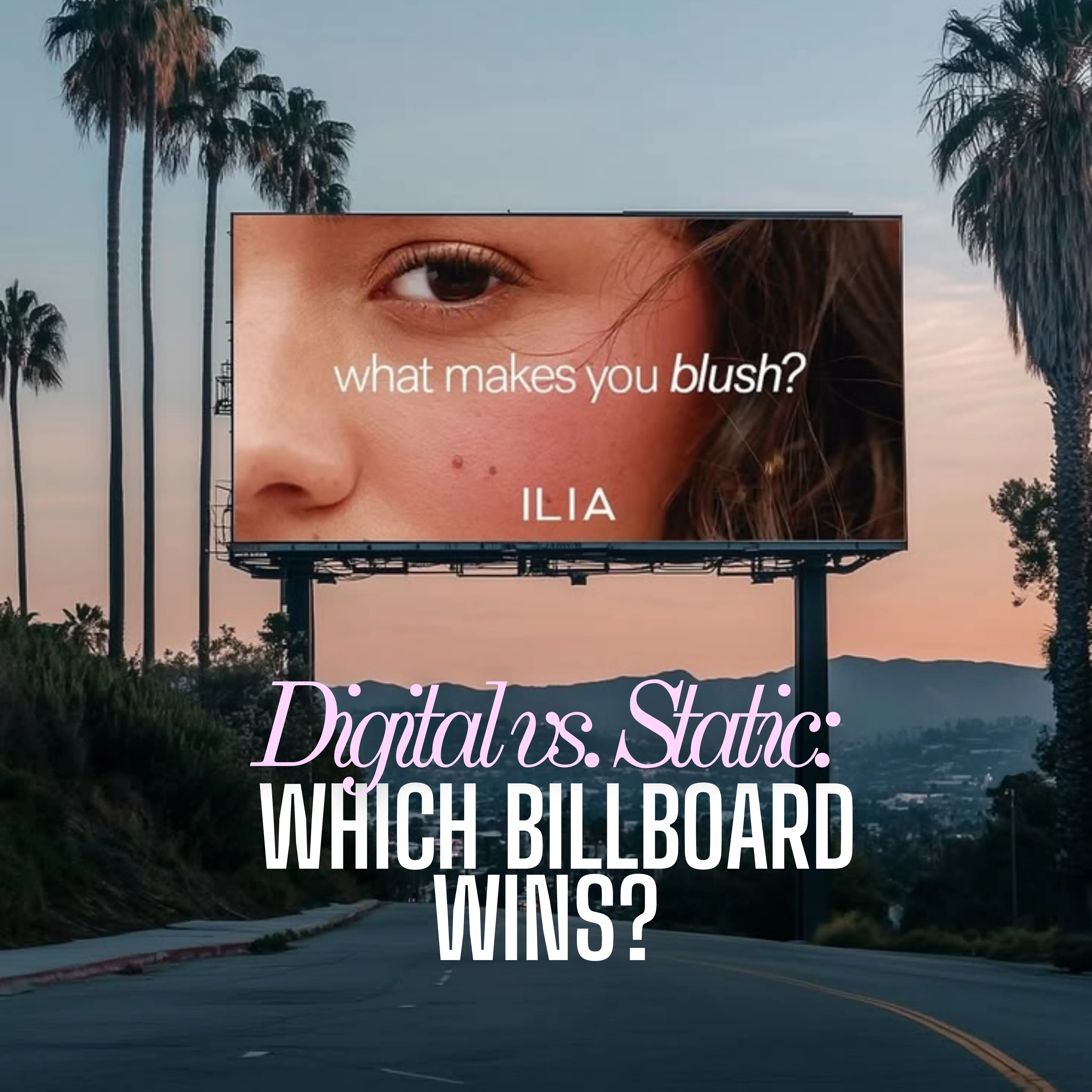
Digital billboards are often strong for events because timing changes. They can support countdowns, rotating performers, dayparted reminders, and final-week urgency. Static billboards can still work well for major events with longer lead time, especially when the creative is stable and the board sits on a high-value route.
Use BM Outdoor's digital vs static billboard guide to compare formats before buying.
Measurement for Event OOH
Measure event OOH with signals that connect to demand: branded search, ticket page sessions, direct traffic, ticket sales by market, promo code use, QR scans on pedestrian media, and sales movement during the flight. If the event sells across multiple cities, compare markets with OOH support against markets without it.
For pricing context, read BM Outdoor's billboard cost guide. Event pricing depends on market, timing, format, traffic, production, and availability.
Common Event OOH Mistakes
The biggest mistake is waiting too long. If the campaign launches after people have already made plans, ticket conversion becomes harder. Another mistake is using creative that only works on a poster. A billboard cannot carry a full lineup, sponsor block, venue map, ticket terms, and social handles at once.
Keep the public-facing message simple and let the ticket page carry the details. The board's job is to make the event memorable enough that people search, scan in the right environment, or go directly to buy.
BM Outdoor Takeaway
Event OOH should be planned around the calendar, the audience, and the venue. Start early, keep the creative simple, and make the ticket action easy. To build a plan, use the BM Outdoor quote form and include the event date, venue, target audience, ticket goal, and campaign markets.
Frequently Asked Questions
They can help when the event has a clear audience, strong creative, enough lead time, and placements near the venue, commuter routes, nightlife districts, campuses, or relevant neighborhoods.
Many events benefit from a launch phase 6 to 10 weeks out, a reminder phase 2 to 4 weeks out, and a final urgency phase in the last week if digital inventory is available.
Use the event name, date, venue or city, one key draw such as artist or speaker, and a simple ticket action. Avoid long lineups and small sponsor clutter.
Yes. Digital billboards are useful for countdowns, lineup changes, dayparted reminders, last-chance tickets, and short flights close to the event date.
Use routes near the venue, nightlife areas, commuter corridors, campus zones, retail districts, hotels, airport routes, and neighborhoods where the target audience lives or works.
Track ticket page sessions, branded search, promo codes, direct traffic, QR scans on pedestrian formats, sales by market, and ticket lift during OOH flight periods.
Use QR codes on pedestrian, transit, campus, venue, or parking media. For highway billboards, use a short URL, memorable event name, or search prompt.
Ready to advertise outdoors?
BM Outdoor plans, buys and prints OOH campaigns across all 50 states. Request a free quote with no commitment.


Comments
Be the first to comment.