
Quick Answer: Digital billboards are usually the better choice for flexible, time-sensitive, or rotating campaigns. Static billboards are usually better for sustained, exclusive, always-on visibility. The right choice depends on the goal, market, flight length, creative needs, and how quickly the message may need to change.
The Core Difference
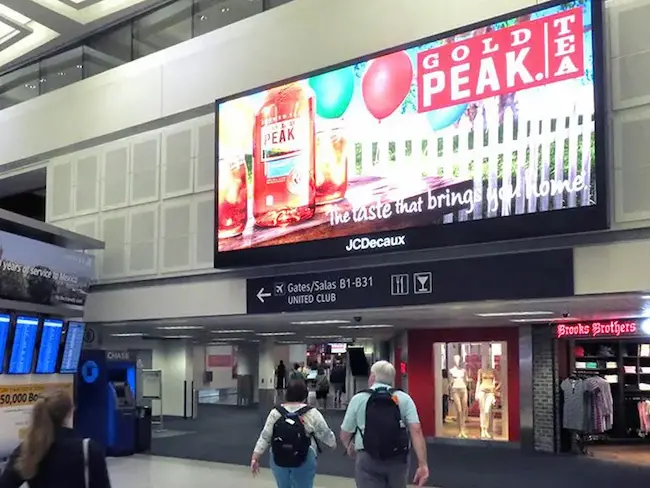
A static billboard is a printed display that stays up continuously for the length of the campaign. A digital billboard is an electronic display that rotates ads in a loop and can change creative without printing new material. Both can be effective. The wrong choice is treating them as interchangeable.
Static gives permanence. Digital gives flexibility. Static can dominate a location with one advertiser. Digital can help an advertiser run multiple messages, adjust by time of day, or launch quickly. The buyer's job is to match the format to the campaign's business role.
Comparison Table
| Factor | Digital Billboard | Static Billboard |
|---|---|---|
| Creative changes | Fast, often possible during the campaign | Requires new production and installation |
| Best flight type | Short, timely, rotating, dayparted | Longer, stable, always-on |
| Share of voice | Usually rotates with other advertisers | Usually exclusive on that face |
| Production | No vinyl production | Vinyl or printed material required |
| Creative style | High contrast, simple motion-like sequencing when allowed | Bold, iconic, permanent message |
| Use cases | Events, offers, dayparts, alerts, launches | Brand building, directions, real estate, market presence |
When Digital Billboards Make More Sense
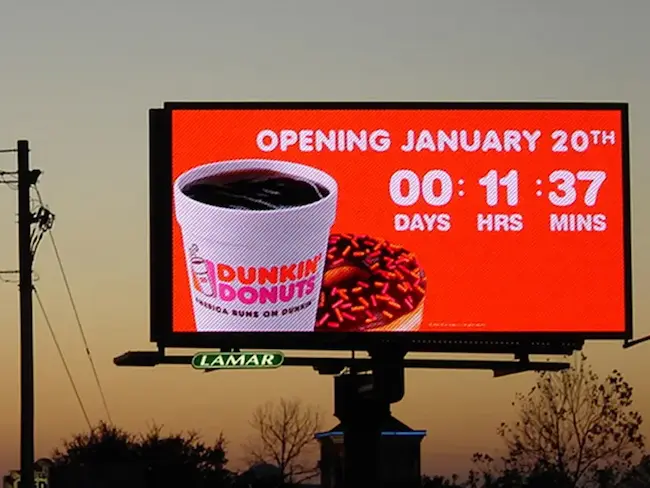
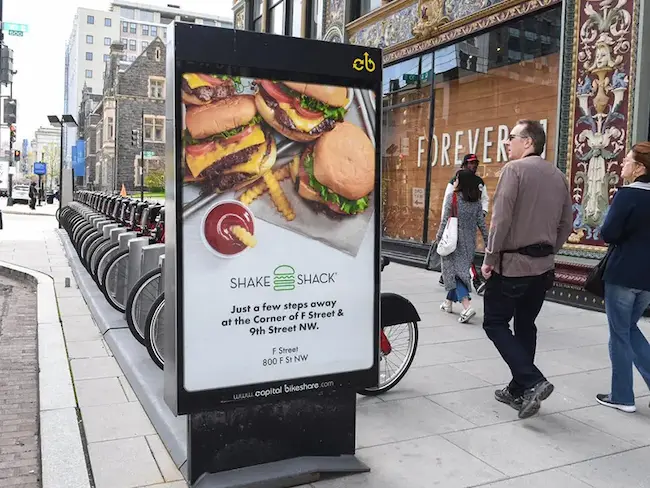
Digital billboards are strong when timing matters. Restaurants can run breakfast in the morning, lunch before noon, dinner during the afternoon commute, and late-night creative in the evening. Event advertisers can run countdowns. Healthcare advertisers can rotate appointment messages or seasonal reminders. Franchises can update grand-opening creative without reprinting.
Digital also helps when a campaign needs to launch quickly. If creative is approved and inventory is available, digital can often move faster than static because there is no vinyl production. That flexibility is useful for entertainment, political, retail, sports, travel, and short promotional windows.
Digital Billboard Buying Questions
Before buying digital, ask how the ad rotation works. How many advertisers share the loop? How long is each spot? How often will the ad play? Are there restrictions on animation, creative changes, political messages, healthcare claims, alcohol, cannabis, or competitive categories? Can the campaign daypart by hour or day of week? Can delivery logs be provided?
These details affect value. A digital board can look perfect on a map, but the actual share of voice, loop length, brightness, and scheduling rules determine how the campaign behaves in market.
When Static Billboards Make More Sense
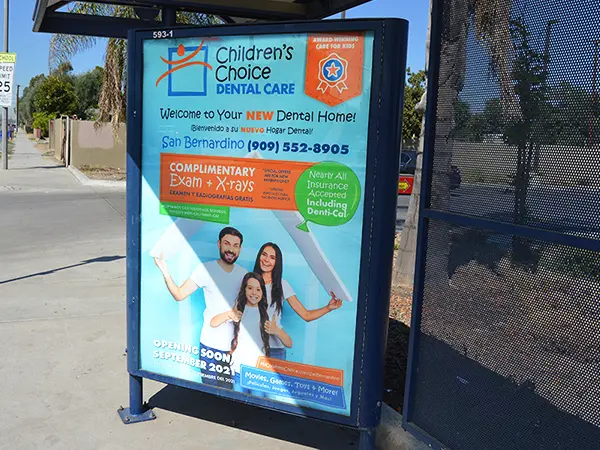
Static billboards are strong when the advertiser wants a constant presence in one location. A real estate development, hospital system, law firm, university, destination restaurant, or new franchise location may benefit from a message that is always there. Static is also useful when a board sits on a critical route and the advertiser wants exclusivity on that face.
A strong static board can become a landmark. It does not need to explain everything. It needs to repeat one memorable message every day until the audience knows it.
Static Billboard Buying Questions
Before buying static, ask about the exact face, approach direction, illumination, production deadlines, installation timing, cancellation rules, and whether the board has any visibility limitations. If the campaign is directional, confirm that the board is placed before the decision point, not after it.
Static production can be an advantage when the campaign needs a polished permanent look, but it also creates lead time. Buyers should approve creative early enough to avoid rushing production or missing the desired start date.
Creative Differences
Digital creative should account for rotation. The audience may only catch one display in the loop, so each frame must work alone. Use high contrast, large type, and one idea. If the campaign uses multiple creatives, make sure every version carries the brand and the action clearly.
Static creative has more continuous exposure but still needs restraint. A driver is not going to read a paragraph. The best static boards use a strong image, short headline, and location or action cue. For more detail, the advertiser should send the audience to search, maps, a short URL, or a landing page.
Cost and Availability
Neither format is automatically cheaper in every market. Digital pricing depends on market demand, loop length, share of voice, traffic quality, and timing. Static pricing depends on location quality, size, production, installation, and flight length. Use BM Outdoor's How Much Do Billboards Cost guide for pricing factors instead of assuming one format always wins.
Availability also matters. A perfect digital board may not exist on the route you need. A strong static board may be sold out. Buyers should evaluate real inventory, not just format preference.
Industry Examples
Restaurants often use digital for dayparting and static for location awareness. Real estate advertisers often use static for development visibility and digital for open-house weekends. Franchise operators may use static for market entry and digital for launch-week offers. Healthcare advertisers may use static for trust-building service lines and digital for seasonal appointment messages.
For more vertical planning, review the BM Outdoor guides for restaurants, real estate, franchises, and healthcare and pharma.
BM Outdoor Takeaway
Choose digital when flexibility, speed, and timing matter. Choose static when constant presence, exclusivity, and long-term memory matter. To compare real options in your market, use the BM Outdoor quote form and include your campaign dates, target city, creative needs, and preferred format.
Frequently Asked Questions
Not always. Digital billboards are better for flexible, timely, rotating, or dayparted messages. Static billboards are often better for long-term presence, exclusivity, and simple brand or location awareness.
They can, but pricing depends on market, traffic, demand, loop structure, share of voice, and flight length. Some digital buys are efficient for short campaigns because there is no vinyl production.
Static billboards are strong for long-running brand awareness, directional campaigns, new location visibility, real estate developments, and simple messages that should stay up continuously.
Digital billboards work well for limited-time offers, event countdowns, weather or daypart creative, multiple messages, fast launches, and campaigns that need frequent updates.
Yes, many digital billboard campaigns can use dayparting, subject to operator rules, market availability, and scheduling options.
Digital can be strong for breakfast, lunch, dinner, and late-night dayparts. Static can be strong for sustained location awareness and grand openings.
Start with the campaign goal, timing, message flexibility, market availability, budget, and whether the advertiser needs constant presence or rotating exposure.
Ready to advertise outdoors?
BM Outdoor plans, buys and prints OOH campaigns across all 50 states. Request a free quote with no commitment.










Comments
Be the first to comment.