
Quick Answer: Billboard advertising for healthcare and pharma brands should be planned around relevance, clarity, and review. The strongest campaigns use compliant messages, high-visibility placements near care corridors, and simple actions such as call, schedule, visit, ask your doctor, find a pharmacy, or search the service name.
Why Healthcare Uses OOH
Healthcare decisions are often local and need-based. People choose urgent care because it is nearby. They remember a hospital because they have seen it for years. They search a clinic after passing it on the commute. They notice a pharmacy reminder when they are already near the store. OOH is useful because it makes healthcare access visible in the real world.
For hospitals, clinics, dental groups, urgent care centers, imaging centers, behavioral health providers, pharmacies, and medical groups, outdoor advertising can build familiarity and prompt action. For pharma and medical device brands, OOH can support disease awareness, brand visibility, provider conversations, or pharmacy access when the message is reviewed correctly.
Compliance Comes First
Healthcare and pharma campaigns need more discipline than many consumer categories. A restaurant can say "try our new sandwich" with little review. A healthcare advertiser may need to consider claims, substantiation, required disclosures, privacy, fair balance, local regulations, professional standards, and internal review processes.
This guide is not legal advice. The practical point is simple: involve legal, medical, regulatory, and brand reviewers early. Do not design the media plan first and ask compliance to approve it at the end. The format, dwell time, message length, and placement type can all affect what is practical.
Placement Near Hospitals, Pharmacies, and Clinics
Healthcare OOH should be planned around access patterns. A hospital service-line campaign may need visibility along commuter routes and corridors that lead to the campus. An urgent care campaign may need boards close to neighborhoods, schools, retail centers, and office areas. A pharmacy campaign may prioritize routes near store clusters. A specialty clinic may focus on referral corridors, affluent neighborhoods, or routes near medical offices.
| Healthcare Advertiser | Placement Logic | Message Role |
|---|---|---|
| Hospital system | Major corridors into the campus, commuter routes, regional approaches | Service line awareness, brand trust, emergency or specialty care |
| Urgent care | 3 to 7 mile radius, schools, retail centers, residential routes | Hours, location, walk-ins, short wait positioning |
| Dental or specialty clinic | Neighborhood routes, office clusters, high-income corridors where relevant | Appointments, treatment category, new patient availability |
| Pharmacy | Store routes, grocery corridors, senior-heavy communities, clinic areas | Vaccines, prescription access, convenience, store locator |
| Pharma or device brand | High-visibility corridors, pharmacy proximity, disease-awareness markets | Awareness, ask-your-doctor prompt, education, brand recall |
Healthcare Messaging That Works
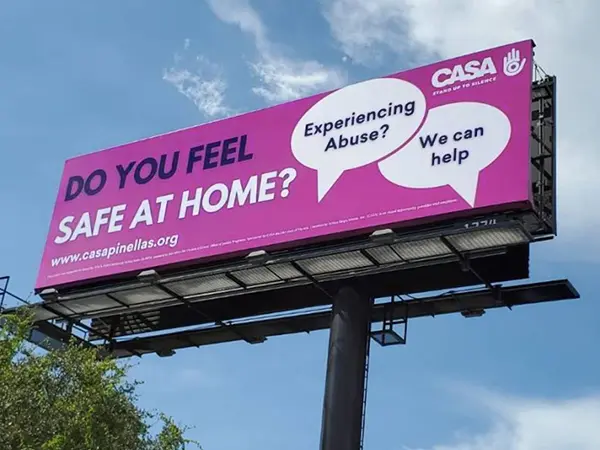
Healthcare billboards should reduce friction. The audience should know what is offered, where to go, and what action to take. Strong messages include "Urgent care open daily", "Same-week appointments", "Find a clinic near you", "Heart care close to home", "Mammograms available this month", or "Ask your doctor about treatment options".
Avoid overloading the board with long explanations, multiple service lines, small disclaimers, complex medical language, or claims that cannot be supported. If disclosure language is required, consider whether a roadside billboard is the right format or whether transit, digital place-based, or other higher-dwell formats would be more appropriate.
Pharma and Medical Device Considerations
Pharma OOH can be effective, but it needs careful planning. Some campaigns are disease-awareness focused and do not mention a specific product. Others are brand campaigns that may trigger more detailed requirements. The acceptable approach depends on the product, indication, claims, risk information, market, and review standards.
Because a billboard has limited time and space, many pharma campaigns use OOH to create recognition and then push the audience toward a compliant destination: a website, healthcare provider conversation, patient education resource, or pharmacy channel. The board should be simple enough to read and conservative enough to pass review.
Recommended Formats
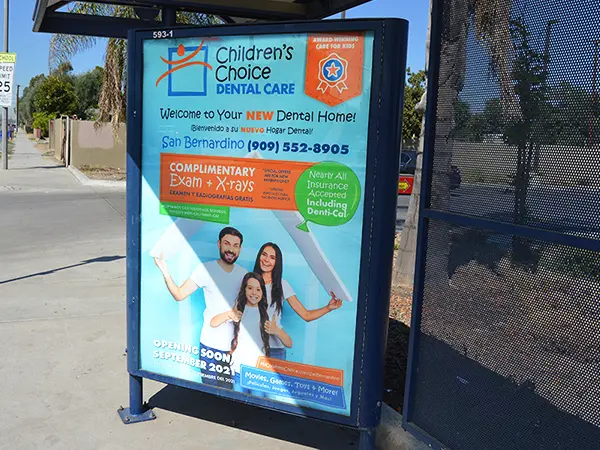
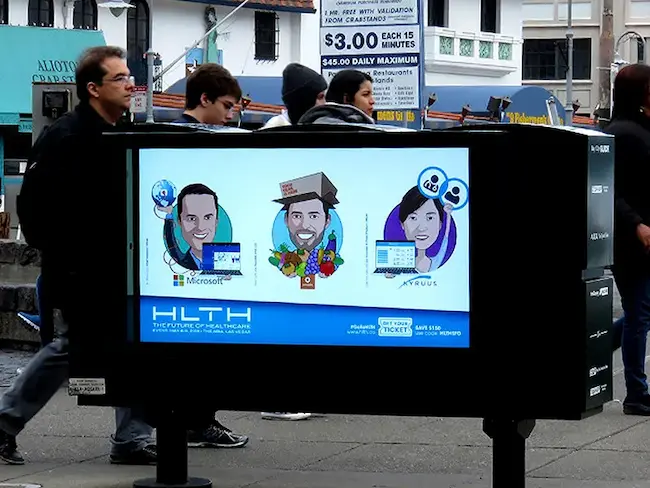
Static bulletins work well for hospital systems, clinic openings, and long-running service-line awareness. Digital billboards can support seasonal messaging, appointment windows, vaccine availability, and rotating service lines when approved creative exists. Transit shelters, station media, mall media, and place-based screens can work when dwell time is important or when QR interaction is realistic.
Healthcare advertisers should also consider accessibility. High contrast, large type, plain language, and simple calls to action matter. A billboard that is technically approved but hard to read is not a good healthcare ad.
Measurement Without Overclaiming
Healthcare measurement must respect privacy and avoid overclaiming causality. Useful signals include branded search, direct website traffic, appointment requests, call tracking, direction requests, landing-page visits, service-line inquiry volume, pharmacy visits, and market-level lift. For clinics or urgent care centers, compare patient volume before, during, and after the flight. For hospitals, monitor service-line awareness and inquiry patterns.
For pharma, measurement may focus on reach, frequency, brand search, site visits, provider conversation signals, pharmacy availability, or market-level lift depending on the campaign. The attribution model should be agreed before launch so the campaign is judged fairly.
Market Planning and Costs
Healthcare campaigns can be local, regional, or national. A clinic launch in Houston may focus on a tight radius around the facility. A hospital campaign in Chicago may need corridor coverage across multiple service areas. A pharma awareness campaign in New York City or Los Angeles may prioritize reach, visibility, and media quality.
For pricing factors, use BM Outdoor's How Much Do Billboards Cost guide. For healthcare and pharma, the final plan should also account for review timelines, creative versioning, compliance needs, and any format limitations caused by required language.
BM Outdoor Takeaway
Healthcare and pharma OOH can be powerful when it is clear, reviewed, and placed around real care access patterns. To build a compliant media plan, use the BM Outdoor quote form and include the advertiser type, target market, service line or campaign goal, review requirements, and preferred launch date.
Frequently Asked Questions
Yes. Hospitals, clinics, urgent care centers, dental groups, pharmacies, medical device companies, and some pharma brands can use billboards when claims, disclosures, and targeting practices are reviewed appropriately.
Simple messages work best: location, service line, appointment availability, urgent care hours, new clinic opening, pharmacy access, screening reminders, or brand awareness with a clear next step.
Pharma advertisers should involve legal, medical, and regulatory review early. Claims, fair balance, indications, risk language, and disease-awareness framing may affect what can be shown in OOH.
Common placements include hospital corridors, pharmacy routes, clinic trade areas, commuter roads, senior-living corridors, employer zones, and communities with relevant access needs.
QR codes can work on pedestrian, transit, parking, or waiting-area formats. On high-speed roadside boards, a short URL, phone number, or memorable service name is usually more practical.
Track branded search, appointment requests, calls, direction requests, landing-page visits, service-line inquiries, pharmacy visits, and market-level lift while respecting privacy requirements.
BM Outdoor's How Much Do Billboards Cost guide explains pricing drivers. Healthcare budgets depend on market, format, traffic, corridor quality, compliance needs, and campaign length.
Ready to advertise outdoors?
BM Outdoor plans, buys and prints OOH campaigns across all 50 states. Request a free quote with no commitment.







Comments
Be the first to comment.