
Quick Answer: OOH advertising for franchises works best when it is planned around the unit, not just the brand. A franchise billboard should support a specific opening, trade area, route, promotion, hiring need, or local awareness gap. The right plan connects franchisor standards with franchisee-level geography.
Why Franchises Need Local Visibility
Franchise systems have a built-in marketing challenge. The brand may be known nationally, but each location still has to become known locally. A customer may recognize the logo and still not know that a new unit opened near work, near home, or on the route they already drive.
Outdoor advertising helps close that gap. It gives franchisees a way to create repeated, public visibility in the exact trade area that feeds a unit. For franchisors, it helps make expansion feel real in a market. For multi-unit operators, it can support clusters without forcing every location to rely only on paid search, social, or delivery apps.
Plan by Opening Stage
Franchise OOH should change as the location moves from pre-opening to launch to stabilization. The board that works for a grand opening may not be the same board that works six months later. Before opening, the job is awareness and anticipation. During launch, the job is trial. After launch, the job is habit and repeat visits.
| Stage | OOH Role | Message Example | Planning Note |
|---|---|---|---|
| Coming soon | Build awareness before opening | "Opening soon near Main Street" | Use routes that pass the future unit or shopping center |
| Grand opening | Drive first trial | "Now open - 2 blocks ahead" | Use close-in placements and simple directional cues |
| First 90 days | Build local habit | "Lunch, drive-thru, open late" | Match daypart and customer routine |
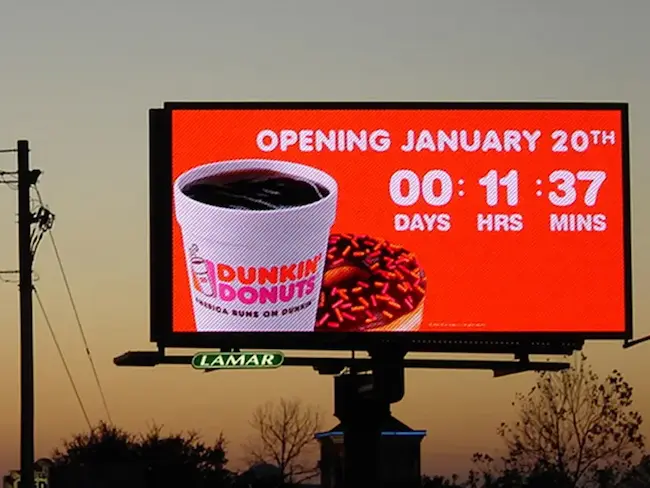
| Promotion | Support a short-term offer | "Limited-time combo" or "Free consultation" | Digital boards can rotate time-sensitive creative |
| Market entry | Make the brand visible across a new city | "Now serving Dallas-Fort Worth" | Use corridor coverage, not isolated boards |
Coverage Radius Planning
Coverage radius is one of the most important franchise decisions. A board that reaches a lot of people can still be inefficient if most of them are outside the unit's realistic trade area. For restaurants, fitness studios, urgent care, dental offices, tutoring centers, salons, auto services, and home services, the radius should be tied to real customer willingness to travel.
A neighborhood service franchise may need a tight 3 to 5 mile plan. A QSR or coffee location may focus on commute patterns within 5 to 10 minutes. A fitness, medical, or education franchise may use a larger radius if the offer is specialized. A home services franchise may plan by service territory, not store distance.
How Franchisors and Franchisees Should Coordinate
The best franchise OOH programs separate brand control from local intelligence. The franchisor should define approved creative rules, logo usage, claims, offer language, and compliance requirements. The franchisee should provide local knowledge: which exits matter, which shopping centers are visible, where competitors are, which routes customers actually use, and which dayparts drive demand.
Multi-unit operators should avoid buying the same board for every unit. Instead, map each location, group overlapping trade areas, and decide whether one placement can support a cluster or whether a single unit needs dedicated support. This prevents wasted impressions and helps the campaign match the economics of each opening.
Formats for Franchise Campaigns
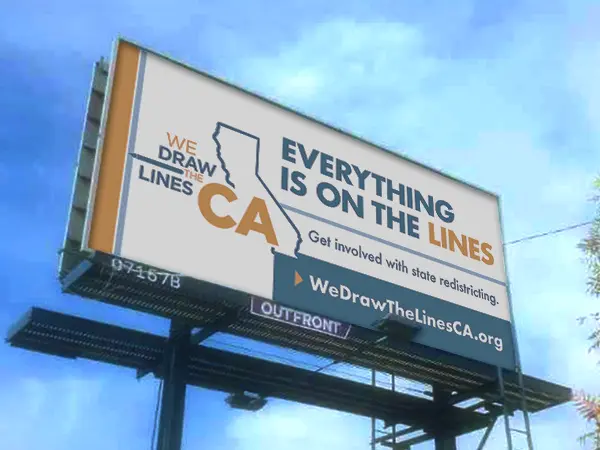
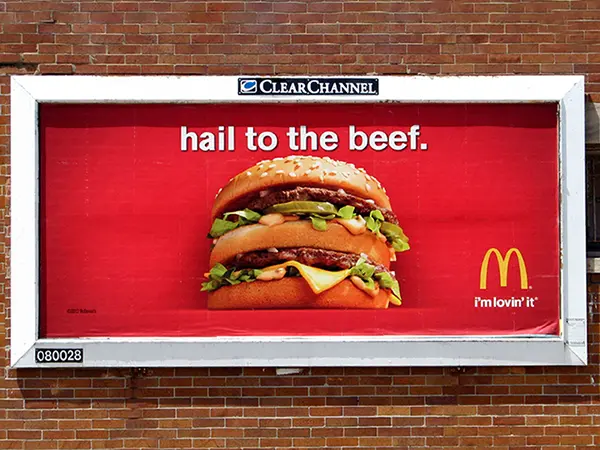
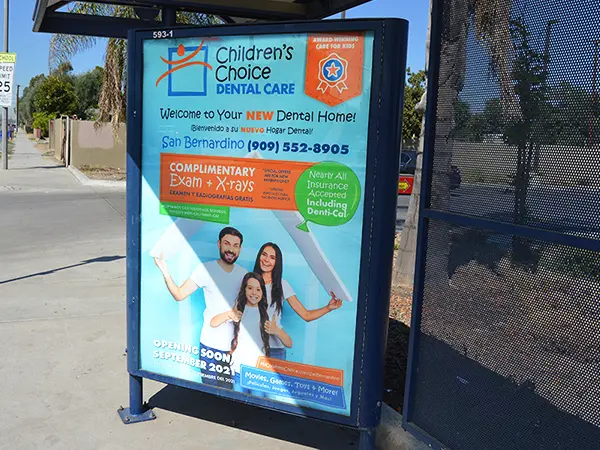
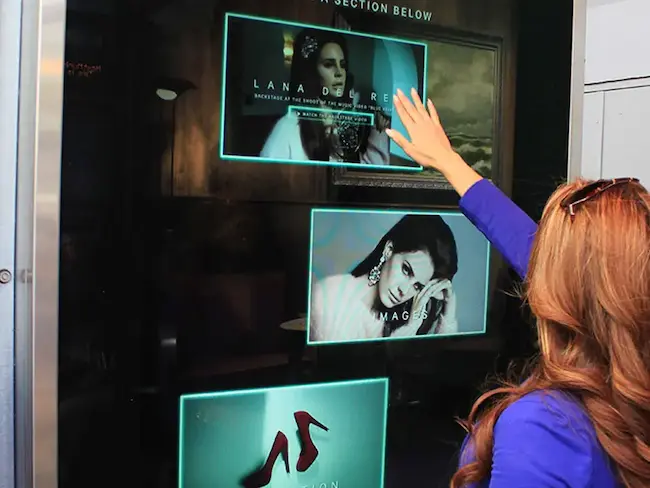
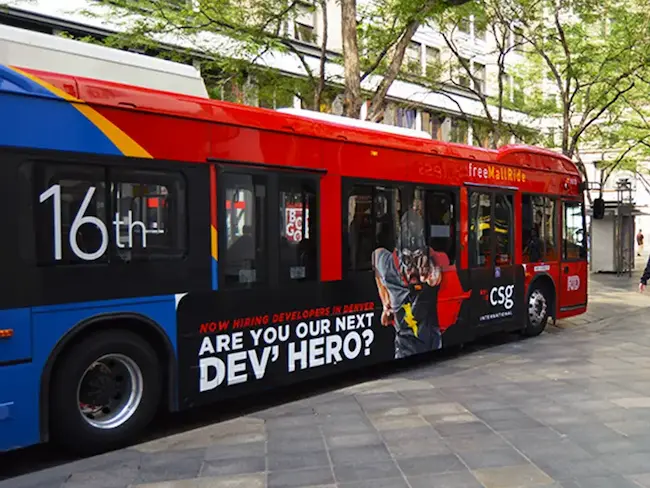
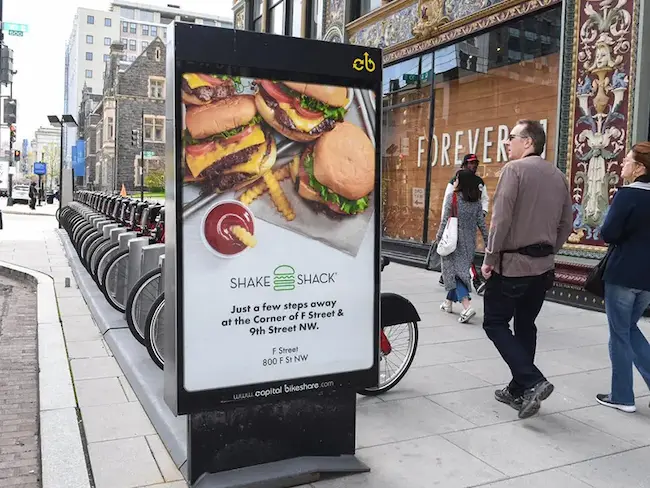
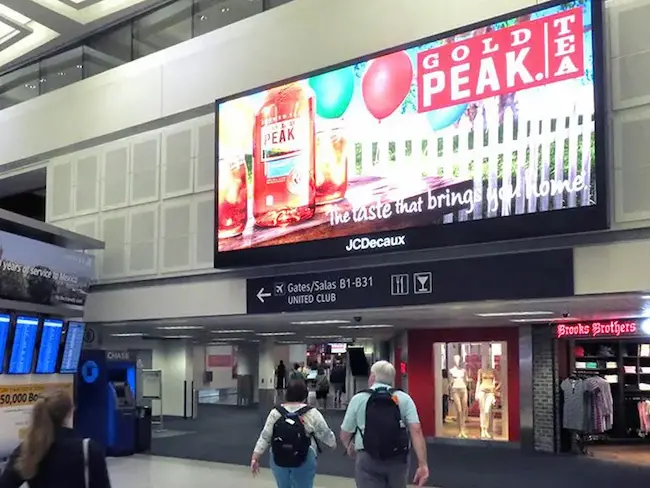
Static bulletins are strong for sustained awareness, market entry, and locations that need the same message for several months. Digital billboards are useful for dayparted offers, grand-opening countdowns, short promotions, and creative rotations. Transit and street furniture can help urban franchises reach commuters, pedestrians, students, and shoppers close to the point of decision.
Place-based media can work for categories like fitness, healthcare, education, beauty, restaurants, and financial services when the venue context matches the customer. A franchise targeting office workers may benefit from commuter and office-area placements. A family-focused franchise may prioritize schools, grocery routes, and weekend retail paths.
Creative Rules for Franchise OOH
Franchise creative should protect brand consistency while still being locally useful. Use the national brand assets, but make the board answer a local question: where is it, why should I go, and why now? A strong board might say "Now open in Sugar Land", "Drive-thru on Route 6", "New patient appointments", or "Free intro class this week".
Do not overload the board with franchise disclaimers, multiple offers, app badges, social handles, and long URLs. The billboard's job is to create recognition and action, not to contain the whole media plan.
Budget and Investment by New-Location Opening
Franchisees often ask how much to invest around a new opening. The better question is what the opening needs to achieve. A first unit in a market usually needs more awareness than a fifth unit in an established cluster. A high-ticket service franchise may need fewer leads but higher trust. A restaurant or fitness concept may need heavy repetition to create habit.
Use BM Outdoor's How Much Do Billboards Cost guide for pricing detail. Then build the plan around the market, radius, format, launch timing, and expected customer value. A franchise campaign in Dallas-Fort Worth, Chicago, or New York City will not price or perform the same way.
Measurement
Franchise OOH should be measured at the unit level. Track branded search, store visits, calls, map direction requests, app orders, lead forms, promo codes, POS lift, and customer source notes. Compare the launch period against the same store's pre-opening baseline where possible, and compare exposed units against similar unexposed units when the system has enough locations.
For service franchises, connect OOH to appointment requests, consultation forms, call tracking, and CRM activity. For restaurants and retail franchises, connect it to sales lift, traffic patterns, online orders, and daypart performance.
BM Outdoor Takeaway
Franchise OOH is not a generic brand buy. It is a local growth tool that should match opening stage, trade area, creative standards, and unit economics. To plan coverage for a new location or multi-unit market, use the BM Outdoor quote form and include addresses, target radius, launch date, category, and approved creative requirements.
Frequently Asked Questions
Yes. OOH is especially useful for new-location openings, market entry, local awareness, hiring visibility, and reinforcing national campaigns at the trade-area level.
Start with the unit trade area, drive-time radius, feeder routes, nearby competitors, schools, employers, retail centers, and commuter corridors that lead toward the location.
Both models can work. Franchisors often set brand standards and market strategy, while franchisees fund local placements that support a specific unit or cluster.
Many openings benefit from a coming-soon phase before launch, a heavy now-open phase during the first weeks, and a reminder phase after initial trial slows.
Static bulletins, digital billboards, transit, street furniture, and place-based media can all work. The best format depends on the trade area, category, message, and timing.
Track branded search, map direction requests, calls, promo redemptions, store visits, POS lift, app orders, lead forms, and performance against similar units without OOH exposure.
Use BM Outdoor's How Much Do Billboards Cost guide for pricing factors, then request a local quote because franchise OOH depends on market, format, radius, timing, and availability.
Ready to advertise outdoors?
BM Outdoor plans, buys and prints OOH campaigns across all 50 states. Request a free quote with no commitment.




Comments
Be the first to comment.