
Billboard pricing is local, format-driven and availability-driven. A national average can help with early planning, but the actual cost of a billboard is set by the specific market, road, face, traffic pattern, visibility and campaign dates.
For a quick planning range, many U.S. billboard campaigns fall into three bands:
- Smaller markets or secondary locations: about $1,500-$5,000 per month.
- Urban corridors and stronger commuter routes: about $5,000-$25,000 per month.
- Premium major-market or digital placements: $50,000+ per month in the most competitive locations.
Those ranges are not a rate card. They are a starting point for budgeting before reviewing real inventory.
Typical billboard cost ranges in 2026
| Billboard type | Typical planning range | Best use case |
|---|---|---|
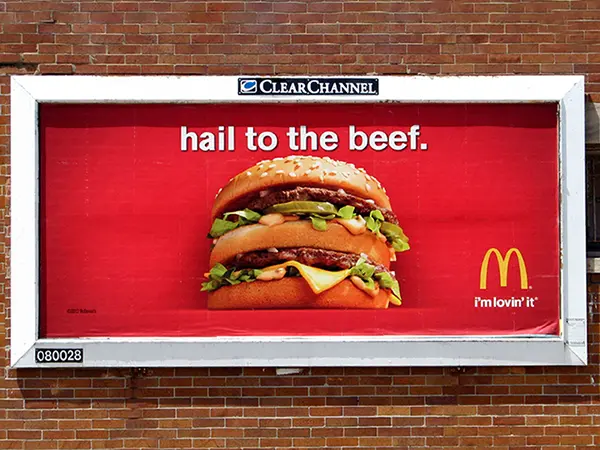
| Static billboard | $1,500-$15,000 per month | Consistent awareness, local reach and longer-term visibility. |
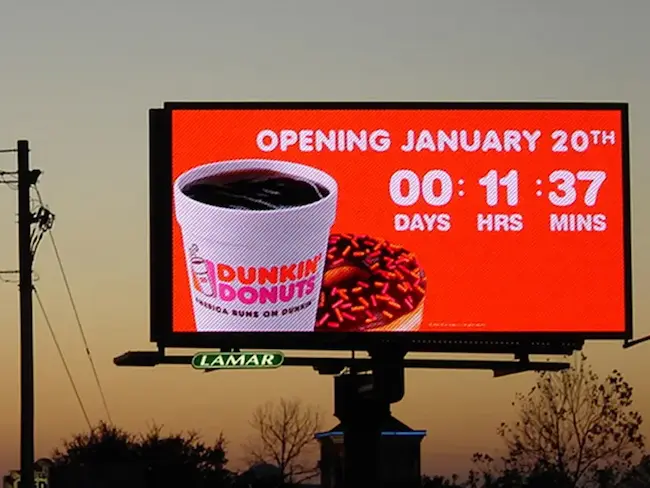
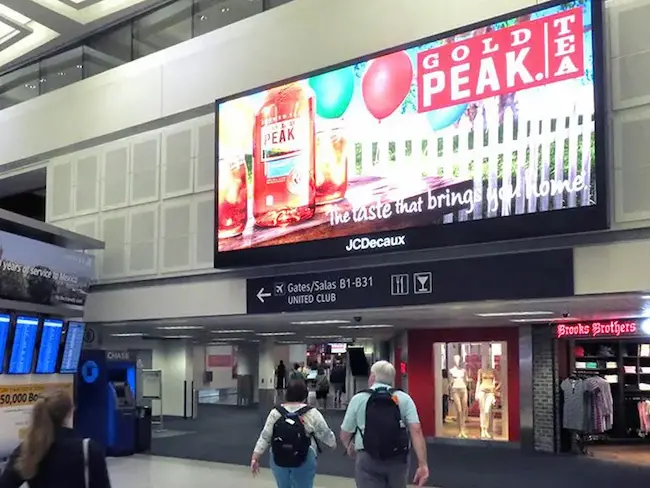
| Digital billboard | $3,000-$25,000+ per month | Flexible creative, time-sensitive offers and campaign rotation. |
| Premium urban placement | $25,000-$100,000+ per month | High-traffic corridors, major cities, launch campaigns and brand impact. |
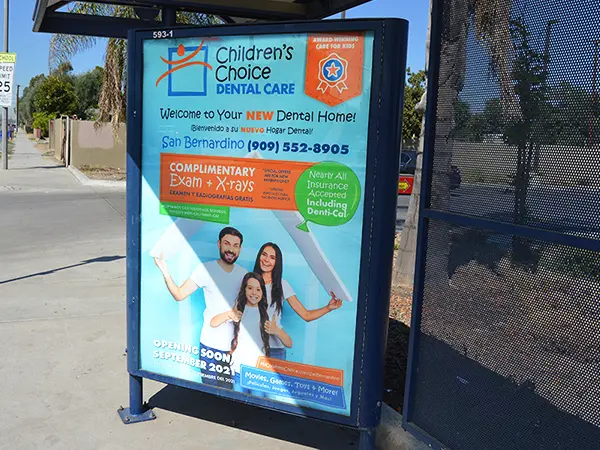
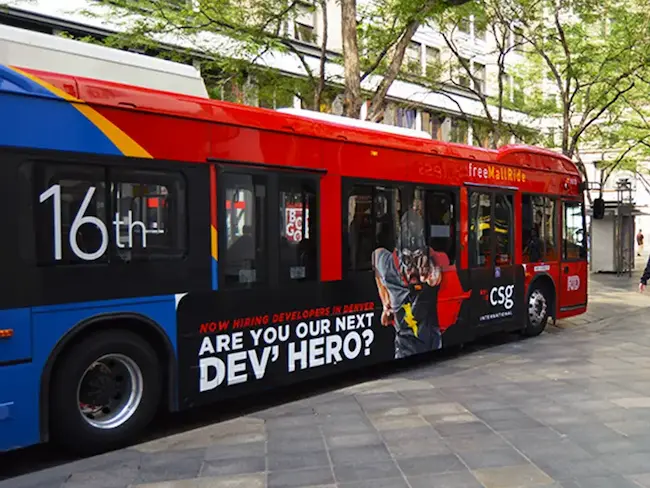
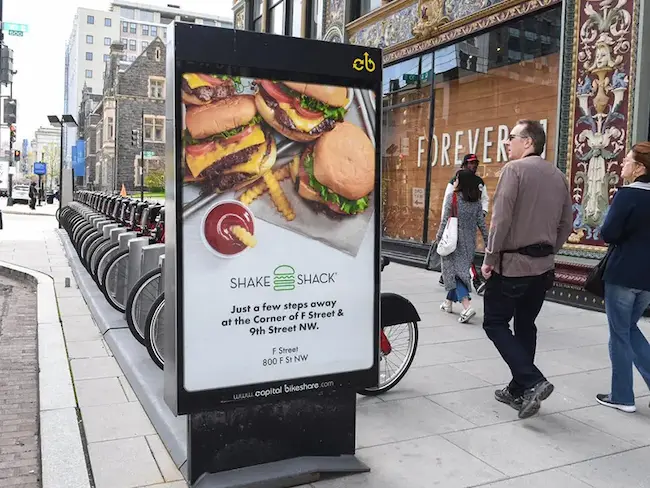
| Transit or street-level OOH | Varies by format and quantity | Dense city coverage, pedestrian exposure and neighborhood targeting. |
What changes the price of a billboard?
1. Market and demand
A billboard in a smaller regional market will not price the same way as a face in New York, Los Angeles, Miami, Chicago or another high-demand metro. Population, traffic, tourism, media scarcity and advertiser competition all affect the final number.
2. Visibility and road context
Traffic count matters, but visibility matters just as much. Angle, height, approach distance, illumination, obstructions, dwell time and the direction of travel can make two boards with similar traffic behave very differently.
3. Static vs. digital format
Static billboards offer constant exposure for one advertiser. Digital billboards rotate multiple advertisers and can change creative quickly. Digital can cost more in premium markets, but it may reduce print and installation costs when creative changes often.
4. Campaign length
Short campaigns can work for launches or events, but billboards usually perform better when people see the message repeatedly. Many advertisers plan 8 to 12 weeks for stronger recall, especially when the goal is awareness.
5. Production and installation
The media rental is only one part of the budget. Vinyl production, installation, removal, creative resizing, extensions, lighting, monitoring and proof-of-performance can affect the total cost.
How to budget before requesting inventory
If you are planning a first campaign, start with the business goal rather than the format. A local service business may need a small cluster of boards near high-intent corridors. A regional brand may need multiple markets. A national launch may need a mix of premium boards, digital screens and street-level placements.
For early planning, use this framework:
- Local campaign: define one city, a few target neighborhoods and one clear offer.
- Regional campaign: choose priority markets and compare reach across several media formats.
- National campaign: build around audience concentration, market tiers and creative consistency.
When a cheaper billboard is not the better buy
The lowest monthly rate can be attractive, but a weak location can waste budget. A board with poor angle, low dwell time or limited audience fit may underperform even if it is inexpensive.
A stronger comparison includes:
- Photos of the actual unit and approach.
- Market and road context.
- Estimated traffic or audience exposure.
- Visibility, lighting and obstructions.
- Total cost including production and installation.
- Campaign dates and cancellation terms.
Examples of market-specific planning
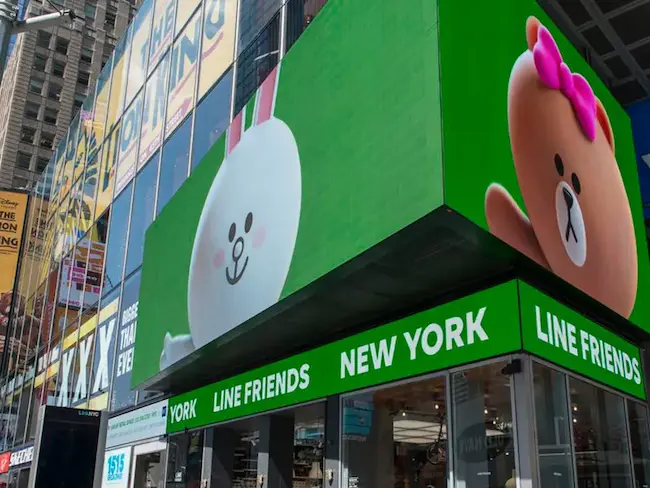
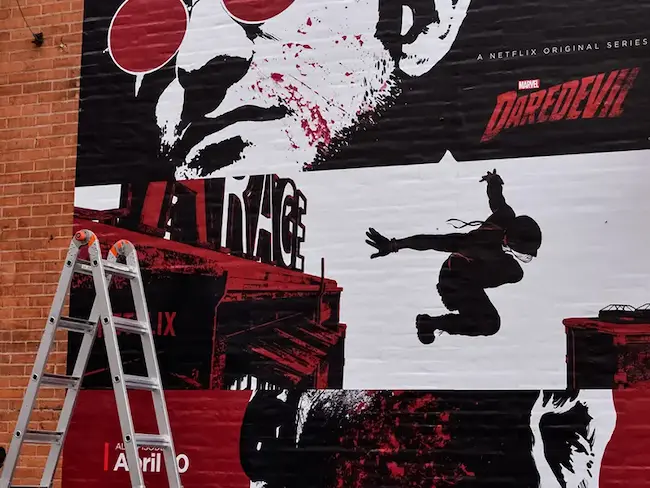
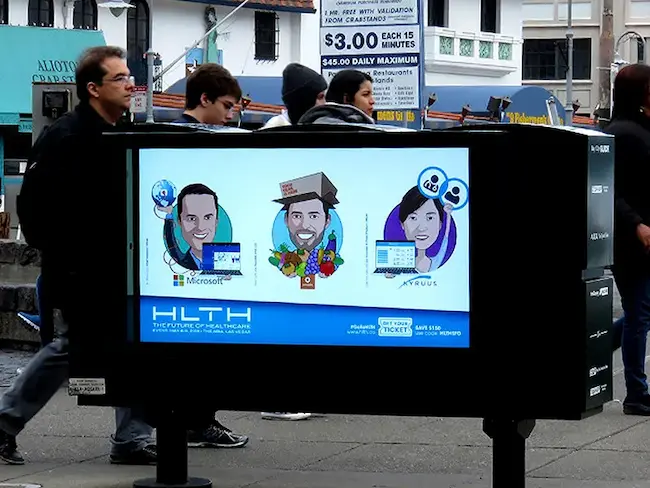
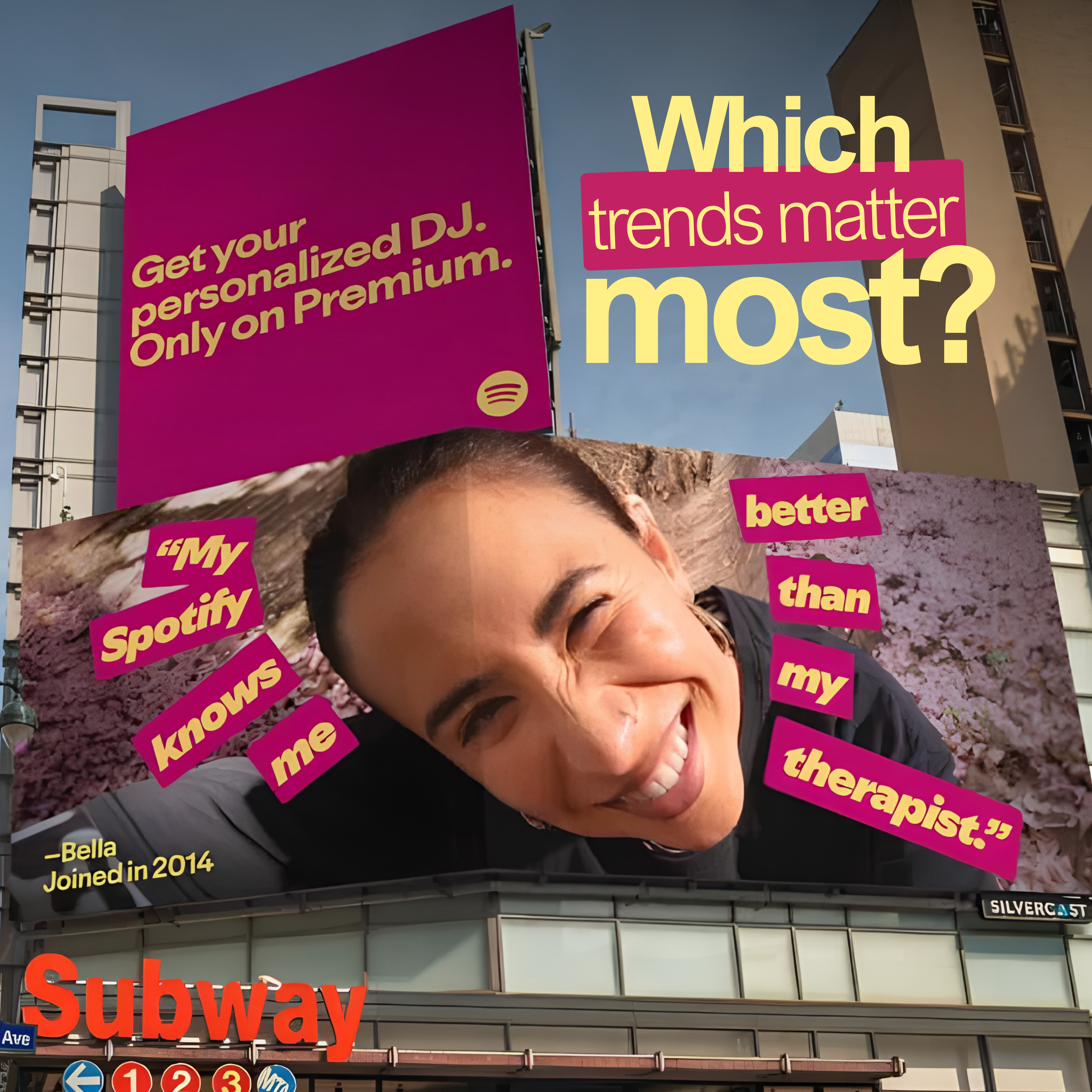
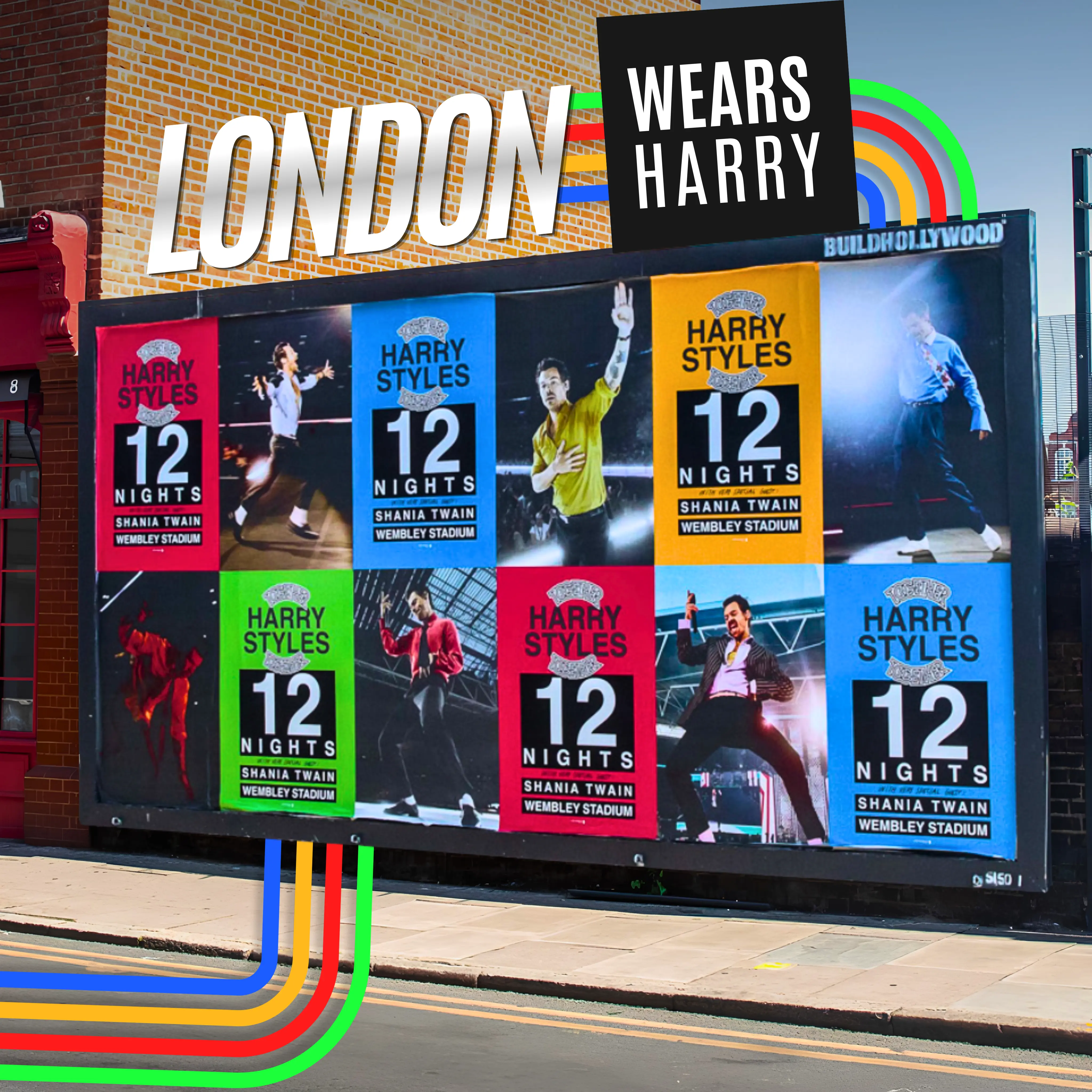
Major-market outdoor campaigns usually require more specific planning than a national average can provide. A New York campaign may combine subway, transit and outdoor placements. A Southern California campaign may need freeway visibility and local market coverage. A tourism or entertainment campaign may prioritize high-density pedestrian areas.
For market-specific examples, review BM Outdoor's New York outdoor advertising options or a local market page such as billboard advertising in Anaheim, California.
How to request a useful billboard quote
The most useful quote request includes enough detail to filter inventory quickly. Before asking for rates, prepare:
- Target city or market.
- Campaign dates or desired launch month.
- Preferred format: static, digital, transit, street-level or mixed.
- Budget range.
- Audience goal or target neighborhoods.
- Any creative restrictions, deadlines or reporting needs.
BM Outdoor can compare available placements, formats and market options so the final plan is based on real inventory rather than generic averages.
Frequently Asked Questions
A common planning range is $1,500-$5,000 per month for smaller or lower-demand markets, $5,000-$25,000 for stronger urban locations, and $50,000 or more for premium locations or major-market digital billboards.
Digital billboards often cost more in high-demand markets because they offer flexibility, shorter creative rotations and prime screen networks. In some markets, short digital flights can also be efficient because production is simpler and creative can change quickly.
Not always. Media rent, vinyl or print production, installation, illumination, monitoring and creative changes may be quoted separately. Always ask for a line-item proposal.
Many static billboard campaigns are planned in 4-week periods, with 8 to 12 weeks often recommended for stronger awareness. Digital billboard campaigns can sometimes run shorter flights depending on market availability.
Share the target market, campaign dates, format preference, budget range and audience goal. A media team can then compare available units with photos, traffic context, location details and total campaign costs.
Ready to advertise outdoors?
BM Outdoor plans, buys and prints OOH campaigns across all 50 states. Request a free quote with no commitment.








Comments
Be the first to comment.