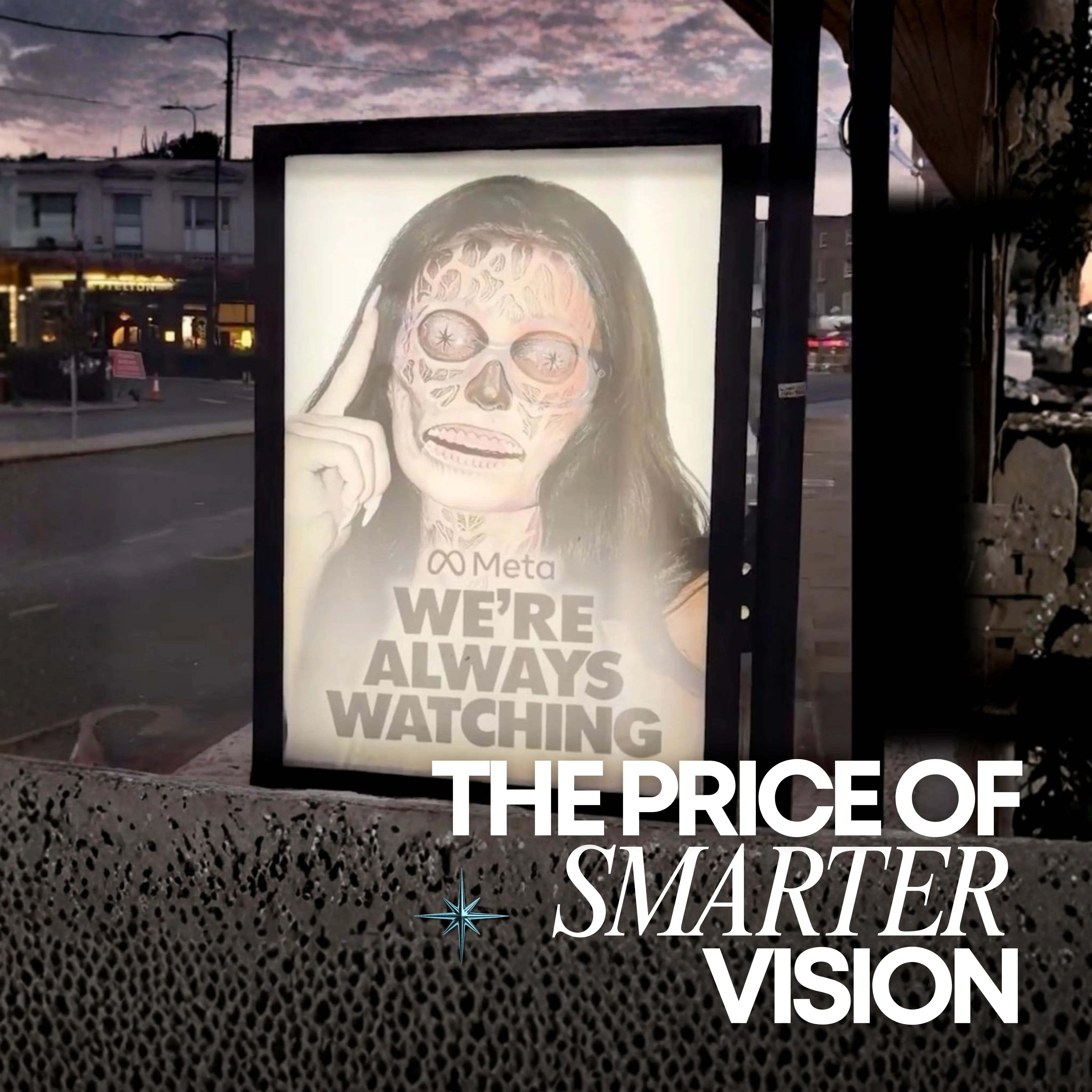
Quick insight: One step changes everything. From one angle, pedestrians see Kylie Jenner promoting Meta's AI glasses. From another, her face becomes an unsettling X-ray accompanied by the words "We're always watching."
Advertising Becomes Public Art
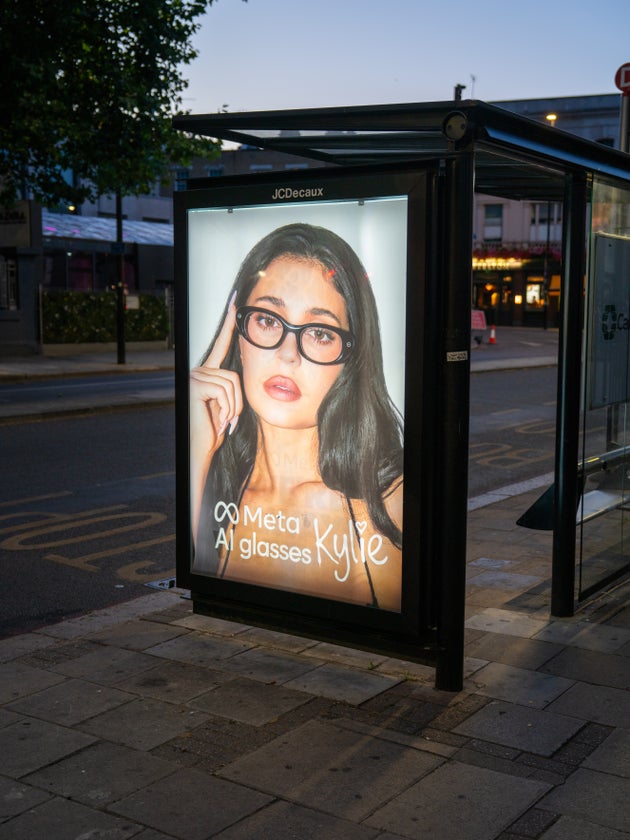
Near Meta's London headquarters, British activist collective Everyone Hates Elon (EHE) transformed a traditional bus shelter advertisement into a powerful public statement.
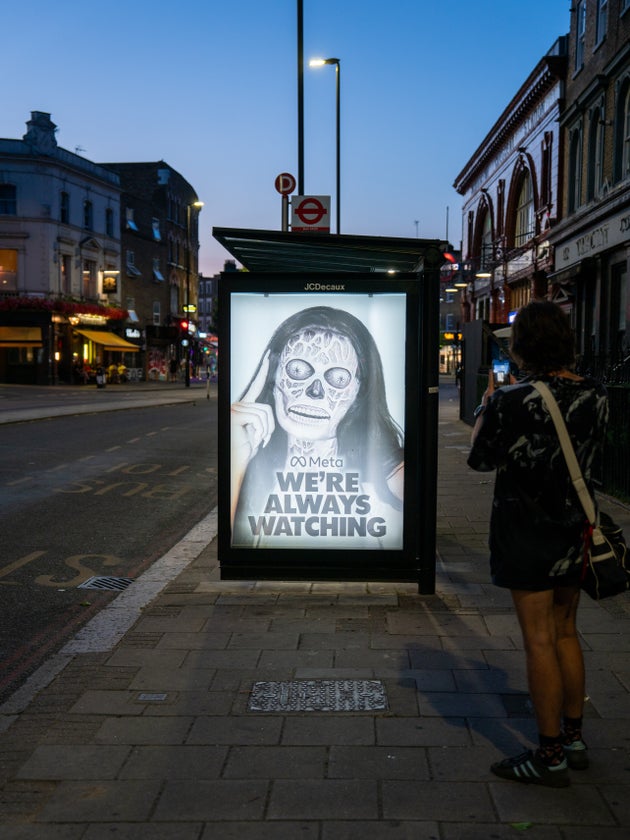
Using lenticular printing technology, the billboard changes depending on where people stand. What first appears to be a polished fashion campaign quickly reveals a skeletal version of Kylie Jenner, completely changing the meaning of the advertisement.
The installation doesn't replace Meta's message—it interrupts it.
A Comment On AI And Surveillance
The artwork directly responds to Meta's AI-powered smart glasses, which integrate cameras, microphones, live streaming capabilities, and artificial intelligence into everyday eyewear.
By pairing the transformed portrait with the phrase "We're always watching," the installation raises questions about privacy, digital observation, and how wearable technology may redefine public space.
Rather than attacking the product directly, the campaign encourages viewers to consider who is watching whom.
The Viewer Completes The Message
The billboard relies on movement to communicate its idea.
As pedestrians walk past the bus shelter, the image shifts between glamour and anatomy. That simple physical interaction becomes part of the artwork, reminding viewers that perspective changes everything.
The technology itself reinforces the campaign's central message: our vision is never completely neutral.
More Than Advertising
The installation draws inspiration from decades of culture jamming and public art, using the visual language of advertising to question the systems behind it.
Instead of promoting a product, the billboard turns an advertising space into a public conversation about technology, influence, and data collection.
It's a reminder that outdoor advertising can do more than sell—it can provoke debate.
Why This Campaign Works
- Uses the billboard format against itself.
- Creates interaction without requiring digital technology.
- Transforms movement into part of the storytelling.
- Addresses a timely discussion around AI and privacy.
- Generates conversation through visual surprise.
Key Takeaways For Marketers
- Outdoor advertising can challenge ideas as effectively as it promotes products.
- Simple visual technology often creates the strongest engagement.
- Context gives creative work greater cultural relevance.
- Interactive storytelling doesn't always require screens or mobile devices.
- The best campaigns leave audiences with questions—not just answers.
Final Thought
Everyone Hates Elon demonstrates how outdoor advertising can become a platform for public dialogue.
By using a lenticular billboard to transform Meta's polished campaign into a commentary on surveillance and artificial intelligence, the collective reminds us that sometimes the most memorable billboards aren't selling anything—they're asking us to look more closely.
Frequently Asked Questions
It is a public art installation in London that critiques Meta's AI smart glasses using a lenticular billboard that changes depending on the viewer's position.
As the face of Meta's campaign, Jenner symbolizes the connection between influencer culture, branding, and digital technology.
It uses lenticular printing, allowing the image to change as pedestrians move past it.
It questions the growing role of AI-powered wearable technology and the potential loss of privacy through constant observation.
It transforms a familiar advertising format into an interactive public artwork that encourages reflection rather than promotion.
Ready to advertise outdoors?
BM Outdoor plans, buys and prints OOH campaigns across all 50 states. Request a free quote with no commitment.














Comments
Be the first to comment.