
Why Nonprofits Use OOH
Nonprofit and public awareness campaigns often need to reach people beyond digital targeting. A community may need to know where to get help, how to donate, when to attend an event, or why an issue matters. OOH makes those messages visible in the physical places where people live, commute, study, work, and gather.
Billboards and other outdoor formats can support fundraising, volunteer recruitment, health education, crisis resources, public safety, adoption campaigns, community events, civic programs, and service awareness. The best campaigns are specific, local, and action-oriented.
Plan by Mission Goal
| Goal | Best Placement Logic | Message Angle |
|---|---|---|
| Fundraising | Donor neighborhoods, business districts, event routes | Donate, sponsor, give locally |
| Volunteer recruitment | Campus routes, commuter corridors, community hubs | Volunteer today, mentors needed, join us |
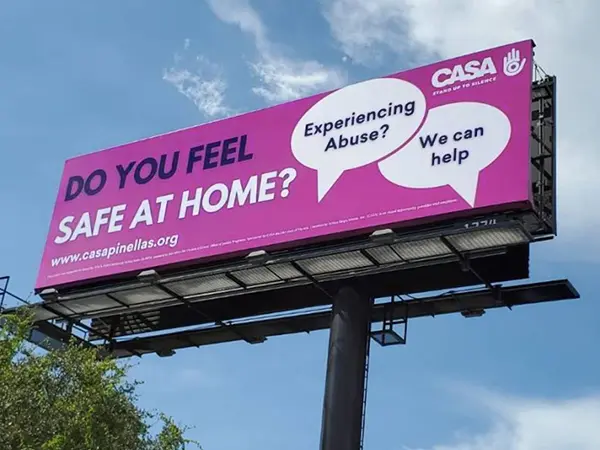
| Public health | Clinics, pharmacies, hospitals, transit, affected communities | Get screened, call for help, know the signs |
| Service awareness | Service-area corridors, schools, shelters, community centers | Free support, local resources, call now |
| Event attendance | Venue routes, neighborhood corridors, retail centers | Date, place, register, attend |
Location Strategy for Community Impact
Nonprofit OOH should be planned around the people who need the message most. A donor campaign may use affluent corridors and business districts. A public health campaign may need clinics, pharmacies, transit routes, and communities with higher need. A volunteer campaign may focus on campuses, downtown corridors, and routes near civic-minded communities.
Use BM Outdoor's billboard location guide to evaluate audience fit, visibility, dwell time, and route direction. A smaller placement in the right community can outperform a larger board in the wrong market.
Creative That Creates Action
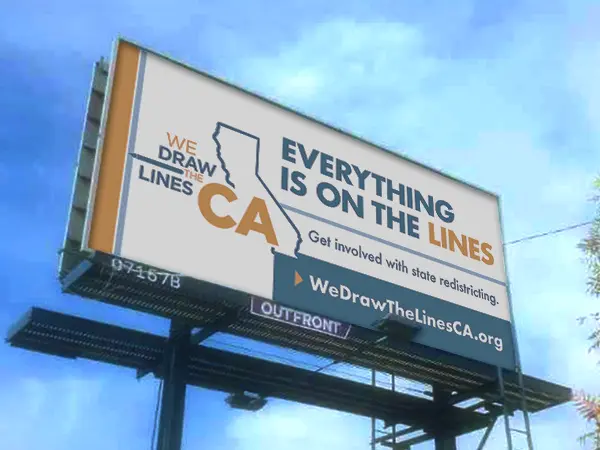
Nonprofit creative should respect the seriousness of the issue while making the action clear. A board can build empathy, but it also needs to tell the audience what to do: call, donate, volunteer, attend, get screened, report, or visit a short URL. Avoid long mission statements or internal language that the public does not use.
For creative rules, review BM Outdoor's billboard design best practices guide. Use one image, one headline, and one action. If a phone number or hotline matters, make it large enough to remember.
Match Tone to the Mission
Not every nonprofit message should sound the same. A crisis hotline campaign needs urgency and clarity. A fundraising campaign needs trust and emotional relevance. A volunteer campaign needs optimism and a clear invitation. A public health campaign needs plain language and credibility.
The tone should help the audience act without confusion. If the issue is sensitive, avoid shock for shock's sake. If the goal is donation or volunteering, make the value of action visible.
Format Selection
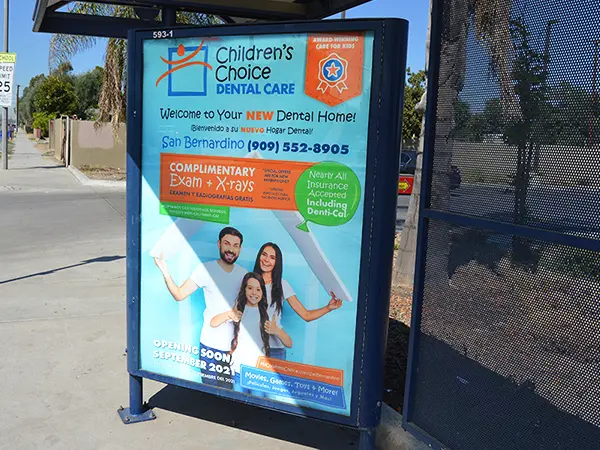
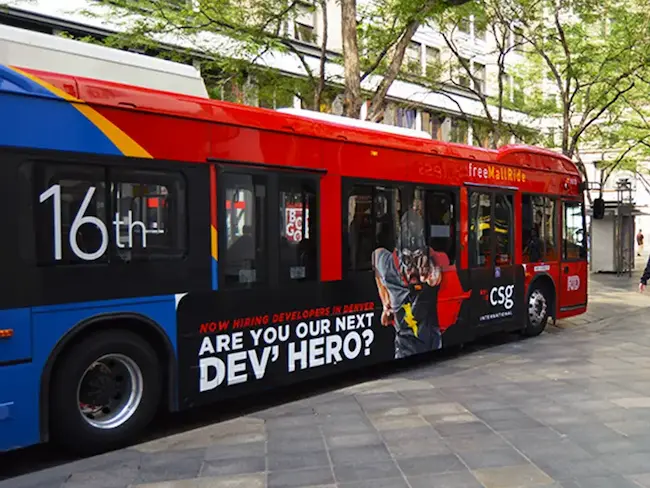
Static billboards are useful for sustained public awareness and community presence. Digital billboards can rotate messages by date, event, location, emergency need, or campaign phase. Transit shelters, campus media, malls, and place-based screens can work when dwell time or QR interaction matters. Use BM Outdoor's digital vs static guide to compare formats.
Measurement
Measurement should match the mission. A donation campaign should track donations, donor page visits, branded search, and direct traffic. A hotline campaign should track calls by market and time period. A public health campaign may track screening appointments, website visits, QR scans on pedestrian media, or awareness lift. A volunteer campaign should track signups, event attendance, and form submissions.
For a broader measurement framework, use BM Outdoor's billboard ROI measurement guide. For pricing factors, see the billboard cost guide.
Budget and Partnership Planning
Nonprofits often need focused reach instead of broad reach. A smaller campaign in the right neighborhoods can be more useful than a larger campaign with weak relevance. Partnerships with local agencies, healthcare providers, sponsors, venues, or community organizations can also strengthen the campaign's credibility and response path.
Before launch, make sure the landing page, phone line, donation form, volunteer form, or local service resource is ready. OOH can create attention quickly, but the action system has to catch that attention.
BM Outdoor Takeaway
Nonprofit OOH works when the message is visible in the right community and the action is easy to understand. To build a plan, use the BM Outdoor quote form and share the mission, target community, campaign dates, desired action, and available markets.
Frequently Asked Questions
Yes. Billboards can help nonprofits build awareness, recruit volunteers, promote services, drive donations, and make public issues visible in specific communities.
Simple messages work best: donate, volunteer, call for help, get screened, adopt, attend, report, learn more, or find local services.
Use communities affected by the issue, service-area corridors, schools, clinics, transit routes, event areas, donor neighborhoods, and high-dwell public spaces.
Yes. OOH can support screening reminders, vaccination awareness, mental health resources, emergency preparedness, safety messages, and hotline visibility.
QR codes can work on transit, pedestrian, campus, clinic, or event media. For roadside boards, use a short URL, phone number, or memorable call to action.
Track website visits, calls, hotline activity, donations, volunteer signups, event attendance, QR scans, service inquiries, and awareness lift where possible.
Focus on the most relevant communities, choose the right timing, keep creative simple, and request a market-specific media plan instead of buying broad reach blindly.
Ready to advertise outdoors?
BM Outdoor plans, buys and prints OOH campaigns across all 50 states. Request a free quote with no commitment.




Comments
Be the first to comment.