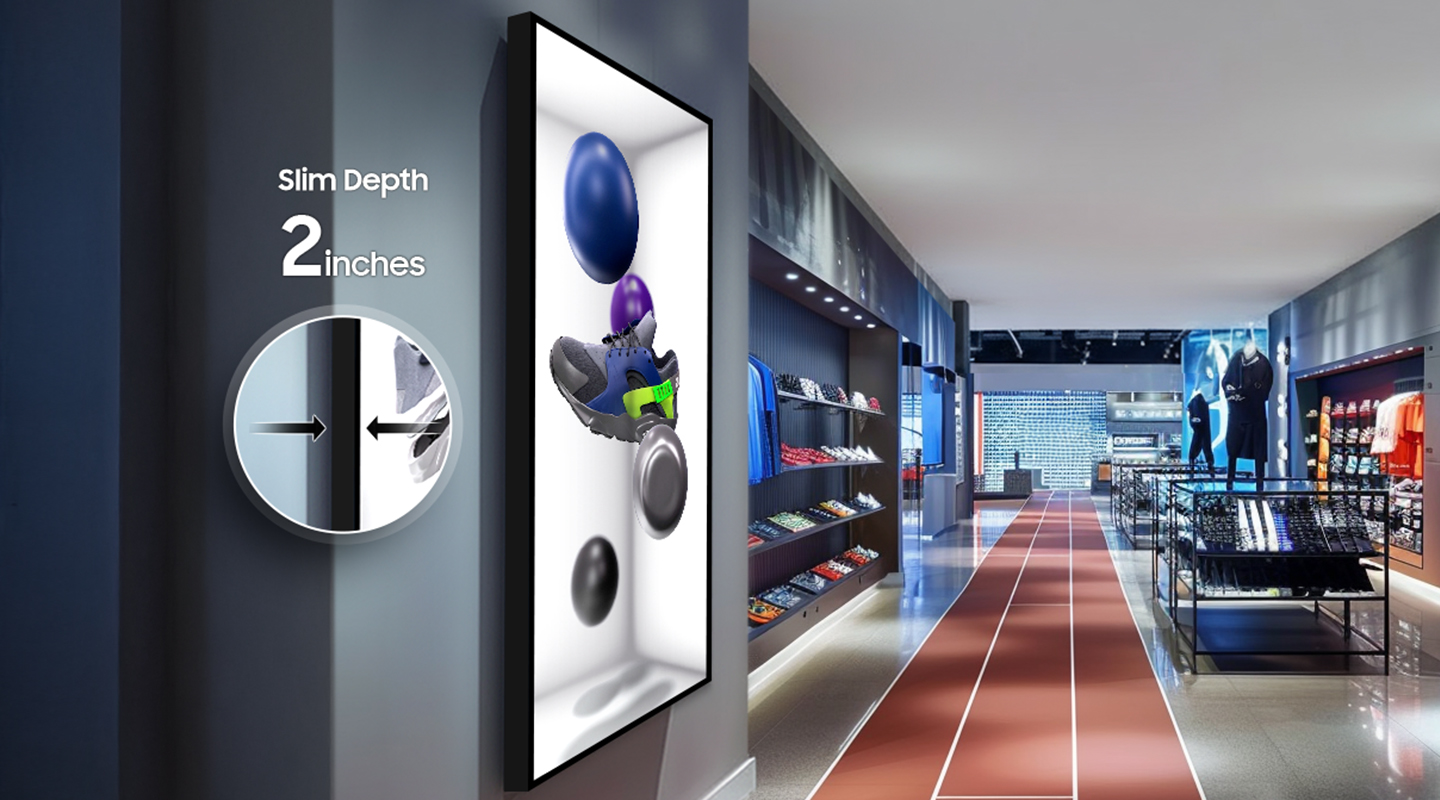
Quick Answer: At NRF 2026, Samsung introduced Smartify, positioning retailers’ existing Samsung digital displays as instantly monetizable inventory—activated into a premium DOOH and retail media network with programmatic and local buying options.
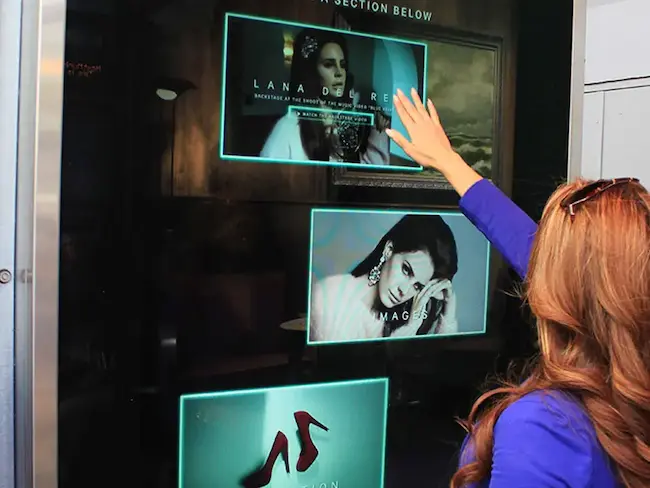
Retail media is evolving fast—but the most meaningful acceleration is happening inside the store. Samsung’s NRF 2026 announcement makes one thing clear: in-store screens are no longer just “digital signage.” They are becoming sellable media inventory with workflows that look and behave like modern DOOH.
What Smartify is (and why it matters)
Samsung describes Smartify as a solution that allows retailers to monetize their existing Samsung displays by enabling them as part of a unified DOOH and retail media network.
The promise is operational simplicity: turn on monetization without rebuilding the entire technology stack. Instead of replacing screens or reinventing processes, retailers can activate what they already own.
That matters because scale in retail media doesn’t come from new hardware—it comes from faster activation.
The strategic move: making in-store screens “buyable”
The real unlock isn’t the screen itself. It’s the marketplace logic behind it.
Smartify introduces buying behaviors familiar to DOOH planners:
- Programmatic access for national and scaled demand
- Direct local advertiser buying for regional and store-level budgets
- Contextual alignment with location, environment, and in-store foot traffic
This pushes in-store media into the same mental category as DOOH: repeatable, measurable, and standardized—rather than bespoke signage projects.
Why NRF 2026 is a signal moment
NRF programming has been increasingly explicit about one shift: stores are becoming a formal retail media network (RMN), not just a conversion endpoint.
Samsung’s Smartify announcement reinforces that direction. In-store screens can now be monetized programmatically without displacing classic shopper marketing budgets.
Instead of competing with promotions or trade spend, Smartify positions in-store DOOH as an incremental media layer.
What marketers should take from this
If your 2026 media plan includes shopper conversion, the store is no longer just the last step in the funnel.
It’s a media environment with advantages digital channels can’t replicate:
- guaranteed physical presence
- real purchase context
- high-intent audiences
Smartify accelerates the idea that retail space itself is media— and that in-store DOOH deserves a seat next to classic OOH, programmatic DOOH, and retail media planning.
Frequently Asked Questions
Samsung introduced Smartify, a solution that allows retailers to monetize existing Samsung displays as DOOH and retail media inventory.
Through programmatic buying for scaled demand and a direct marketplace for regional and local advertisers.
It extends DOOH-style buying, measurement, and standardization into the in-store environment—one of the highest-intent contexts in media.
Ready to advertise outdoors?
BM Outdoor plans, buys and prints OOH campaigns across all 50 states. Request a free quote with no commitment.





Comments
Be the first to comment.