Why Brands Buy Airport Media
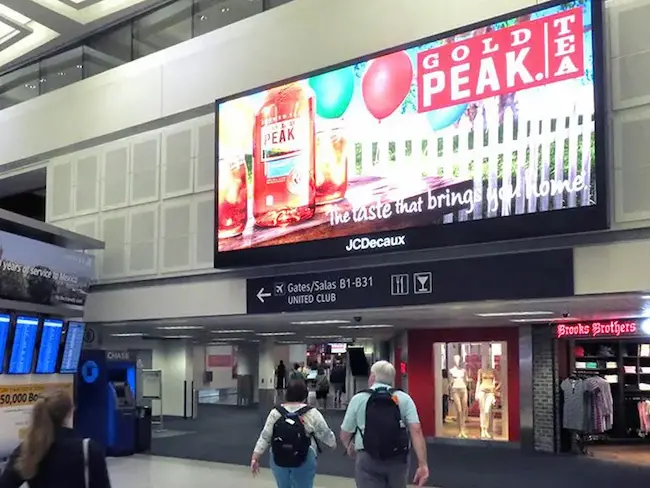
Airport advertising gives brands visibility in one of the most concentrated travel environments in a market. Travelers pass through terminals, concourses, security areas, gate zones, lounges, baggage claim, parking, rental car areas, and access roads with different levels of dwell time and intent.
The value is not only traveler volume. Airport media reaches people in a distinct mindset: planning, waiting, arriving, leaving, making destination decisions, managing business travel, or starting a trip. That context can make the same message feel more relevant than it would in a generic digital ad placement.
Airport advertising can support national brands, destination marketing, local attractions, hotels, healthcare systems, universities, financial services, technology, luxury, real estate, restaurants, and event promoters. The right plan depends on traveler type, terminal context, dwell time, and the action the brand wants.
Airport Advertising Formats
| Airport Format | Best Use Case | Planning Note |
|---|---|---|
| Terminal digital screens | Flexible creative, traveler awareness, promotion rotation | Confirm screen locations, loop length, and dwell context. |
| Gate and concourse media | High-dwell exposure while travelers wait | Can support more context than a roadside board, but still needs clear hierarchy. |
| Baggage claim media | Arrivals, tourism, local services, transportation, hotels, attractions | Useful when the action happens after landing. |
| Airport lounge media | Business travelers, premium brands, finance, technology, B2B | Match message tone to a professional or premium environment. |
| Parking and rental car areas | Local mobility, destinations, retail, events, hotels | Strong for travelers making immediate ground decisions. |
| Approach and access-road OOH | Pre-arrival visibility and broad local reminder campaigns | Creative must work quickly, like a billboard. |
Match Placement to Traveler Mindset
Airport campaigns should be planned around the travel moment. Departures can work for business services, credit cards, technology, luggage, apps, and brands that benefit from pre-trip attention. Arrivals can support tourism, hotels, restaurants, rental cars, local attractions, healthcare systems, universities, and real estate. Gate and lounge environments can support more premium or considered messaging because travelers have more dwell time.
Baggage claim is different from a gate hold area. A passenger waiting for luggage may be thinking about transportation, lodging, meals, meetings, entertainment, or family plans. A traveler in a lounge may be checking email or preparing for a business meeting. The placement should match that mindset.
When Airport Advertising Is a Strong Fit
- Destination marketing: tourism boards, attractions, hotels, events, and restaurants reaching arriving travelers.
- Business audiences: B2B, finance, technology, consulting, and premium services reaching frequent flyers.
- Market entry: brands launching in a city and wanting a high-visibility first impression.
- Healthcare and education: hospitals, universities, and specialty services reaching regional visitors.
- Luxury and lifestyle: brands using airport context for premium reach and repetition.
- Event campaigns: conferences, festivals, sports, concerts, and conventions tied to travel windows.
Creative Rules for Airport Media
Airport creative can usually carry more visual detail than a highway billboard, but it still needs outdoor discipline. Travelers are moving, waiting, scanning, or multitasking. Use a clean hierarchy: brand, message, relevance, action. If the placement has high dwell time, add useful context. If the placement is in motion or on an approach road, keep the message short.
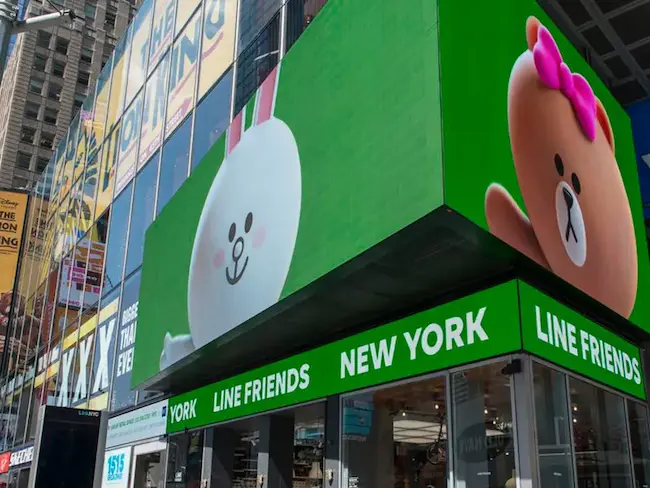
For arrivals, location and immediacy matter. "Minutes from the airport," "Welcome to New York," "Book tonight," or "Visit this weekend" are clearer than abstract brand slogans. For business travelers, credibility and category recognition matter. For tourism, strong imagery can carry the message faster than long copy.
BM Outdoor's billboard design best practices guide covers the legibility principles that still apply to airport OOH.
Airport Advertising and Digital OOH
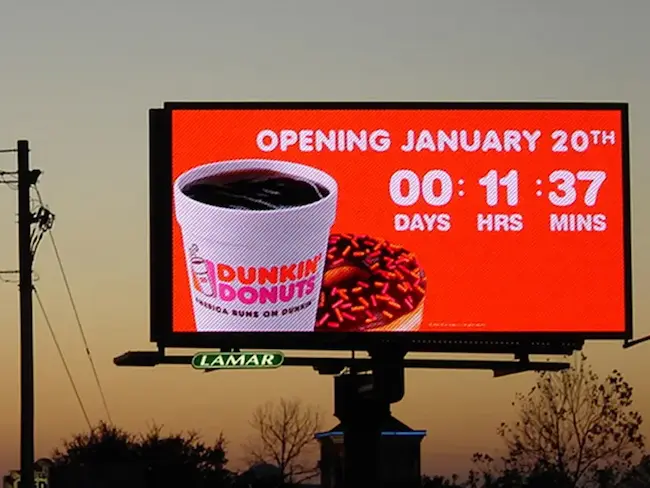
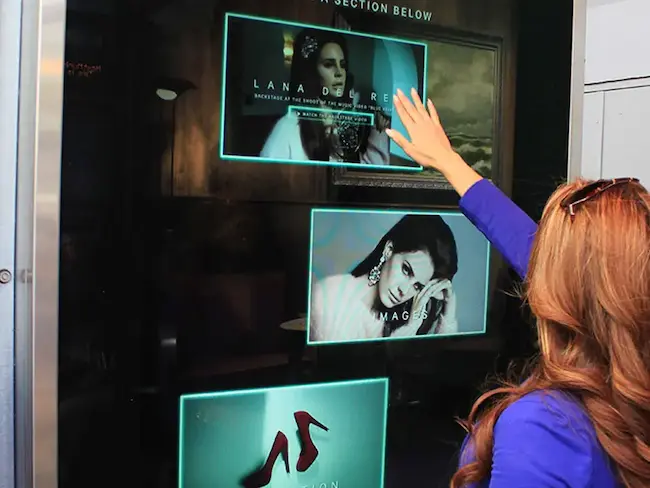
Many airport environments include digital screens, which can help with creative rotation, dayparting, seasonal offers, event reminders, or market-specific messaging. A tourism campaign may rotate attractions. A hotel group may promote weekday business travel and weekend leisure packages. A conference sponsor may change messaging before, during, and after the event.
If the campaign depends on flexible delivery, review BM Outdoor's programmatic DOOH advertising guide. Programmatic or digital buying can complement fixed airport placements when the campaign needs timing control or creative variation.
Measurement and Attribution
Airport advertising can be measured with delivery proof, exposure estimates, terminal or placement reporting, branded search, direct traffic, campaign landing pages, QR scans where appropriate, booking behavior, store visits, app activity, lift studies, and market-level response trends. The right metric depends on the objective.
A tourism campaign may look at web visits, bookings, or attraction attendance. A B2B campaign may look at branded search, direct traffic, event meetings, or lead quality. A restaurant or hotel campaign may track location visits and reservation behavior. BM Outdoor's OOH ROI measurement guide can help match the channel to a realistic success signal.
Budget Context
Airport advertising cost depends on airport size, terminal, placement, format, dwell time, demand, production, and campaign length. It should not be compared only to billboard pricing because the environment and audience are different. For broader outdoor pricing context, BM Outdoor's billboard cost guide explains the variables that affect OOH rates.
Airport media often requires more planning time than a simple local placement, especially for premium environments. Buyers should ask about availability, production specs, approval timelines, creative restrictions, reporting, and whether the plan covers arrivals, departures, or both.
How to Start an Airport Campaign
Prepare a brief with the market, target traveler, travel window, campaign objective, creative assets, budget range, and measurement plan. If the campaign is tied to a destination, hotel, event, hospital, university, attraction, or business district, include those details early so placement recommendations can match traveler behavior.
BM Outdoor can help compare airport media options, evaluate traveler context, and plan OOH around a specific market goal. Request an airport advertising quote to review available placements and campaign timing.
Frequently Asked Questions
Airport advertising is out-of-home media placed in airport environments, including terminals, concourses, gates, baggage claim, lounges, parking areas, digital screens, wall displays, and approach routes.
Airport advertising can work for tourism, hotels, financial services, luxury, technology, healthcare, education, real estate, events, restaurants, destinations, and brands targeting business or leisure travelers.
No. National brands often use airports for prestige and reach, but local hospitals, universities, venues, attractions, hotels, and tourism groups can use airport media to reach visitors and regional travelers.
Placement depends on the audience and action. Arrivals can support tourism and local services, departures can support business and travel brands, gates and lounges offer dwell time, and baggage claim can support destination decisions.
Campaign length depends on market demand, seasonality, traveler volume, creative production, and the campaign goal. Many airport campaigns use multi-week or multi-month flights because airport buying often requires advance planning.
Measurement can include delivery proof, airport or terminal exposure, branded search, direct traffic, QR scans where appropriate, booking activity, store visits, lift studies, and market-level response trends.
Airport creative should match traveler mindset. Use premium visuals, concise copy, destination or service relevance, and a clear next step. High-dwell placements can support more context than fast-moving approach signage.
Ready to advertise outdoors?
BM Outdoor plans, buys and prints OOH campaigns across all 50 states. Request a free quote with no commitment.







Comments
Be the first to comment.