What Programmatic DOOH Means
Programmatic DOOH advertising is the automated buying of digital out-of-home media. Instead of reserving only fixed placements one by one, a buyer can set campaign rules for markets, screens, timing, budget, audience context, and creative rotation. The campaign then delivers across eligible digital OOH inventory that matches those rules.
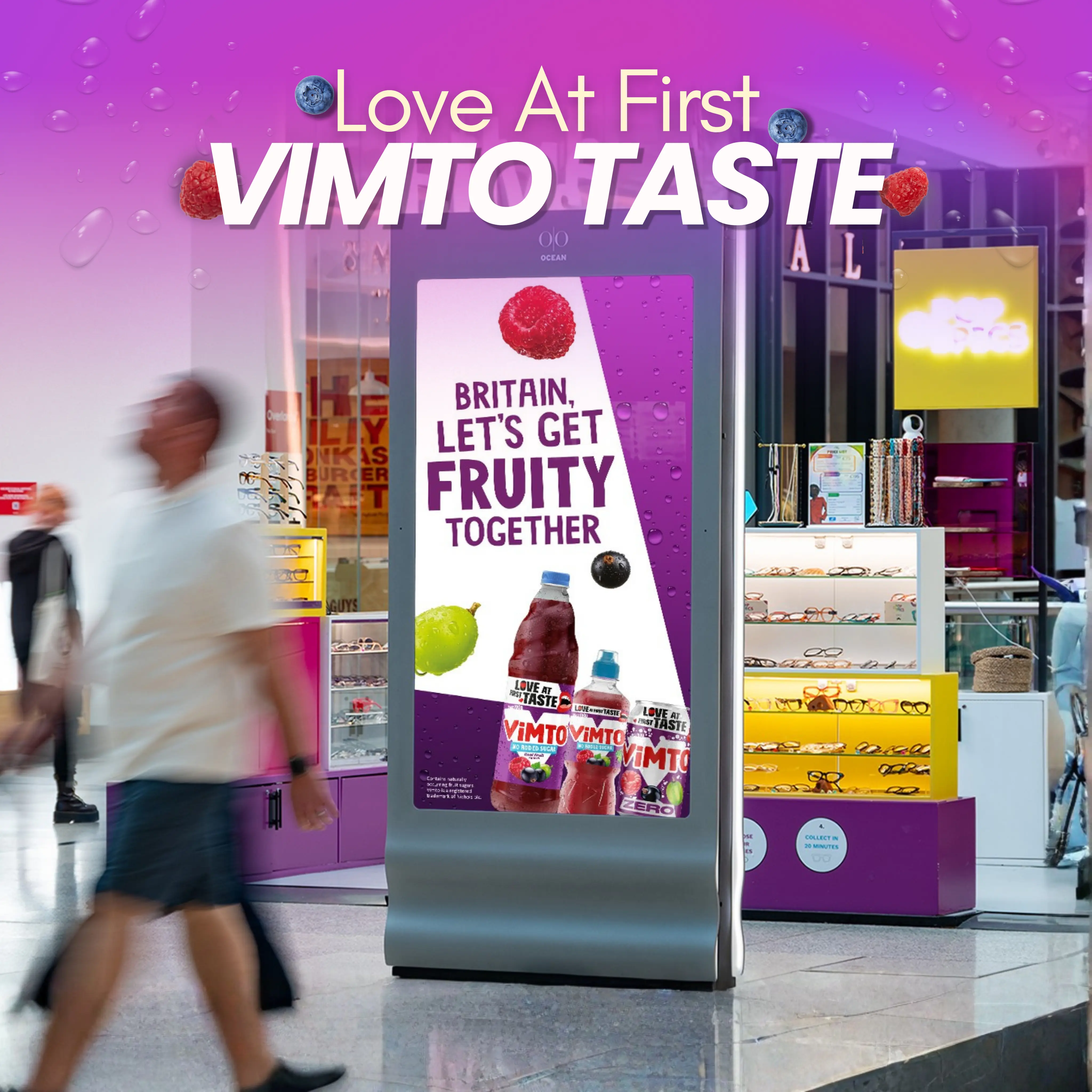
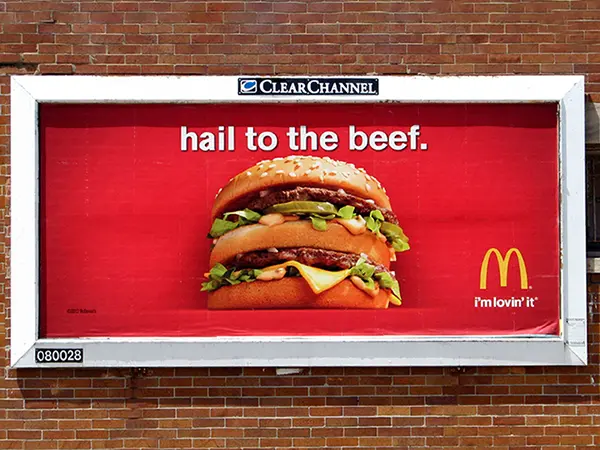
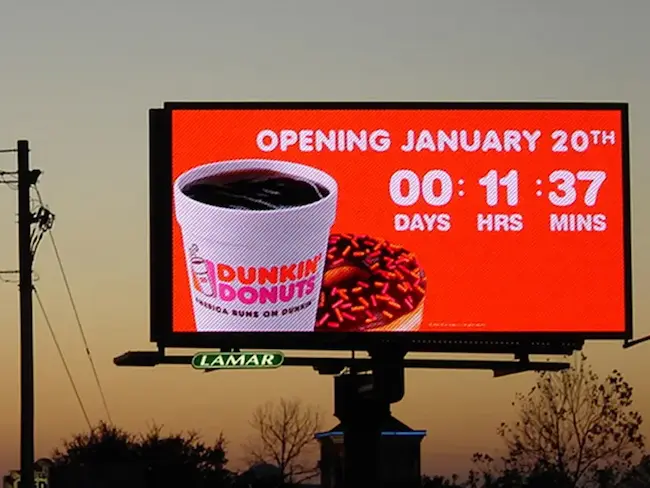
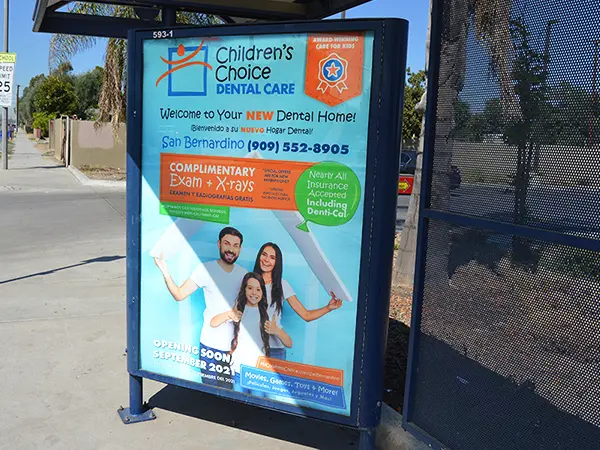
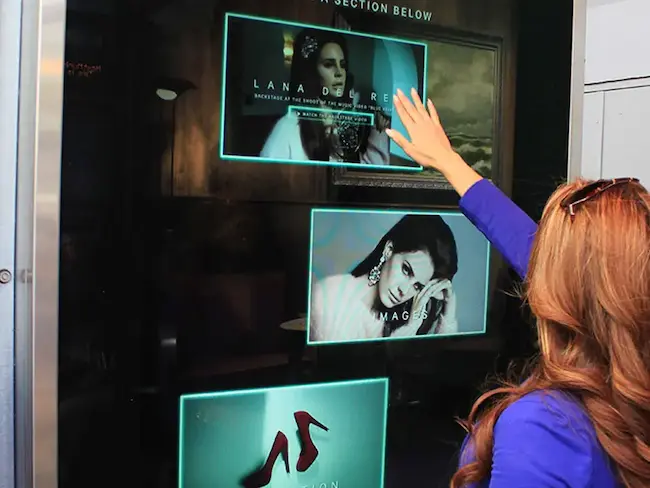
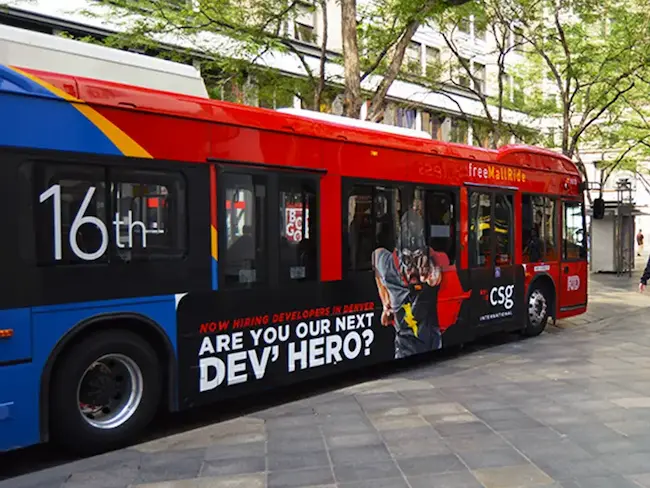
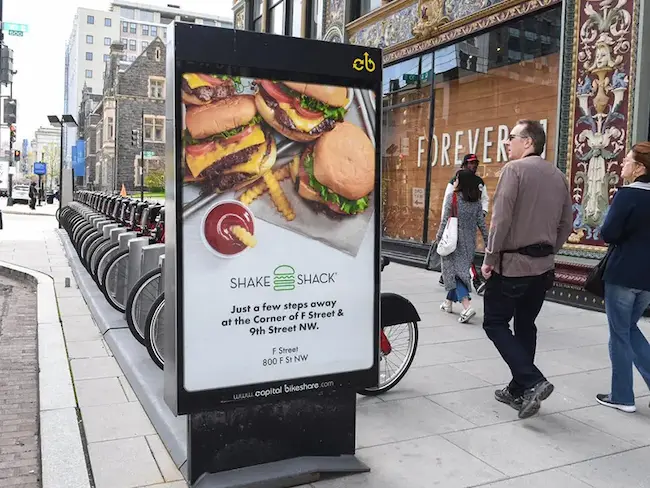
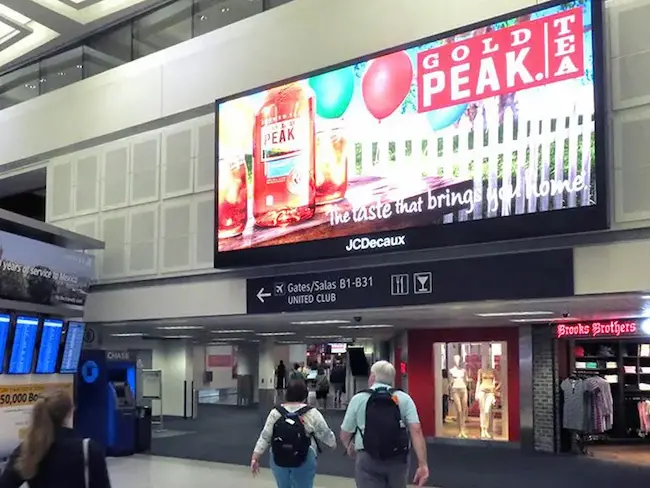
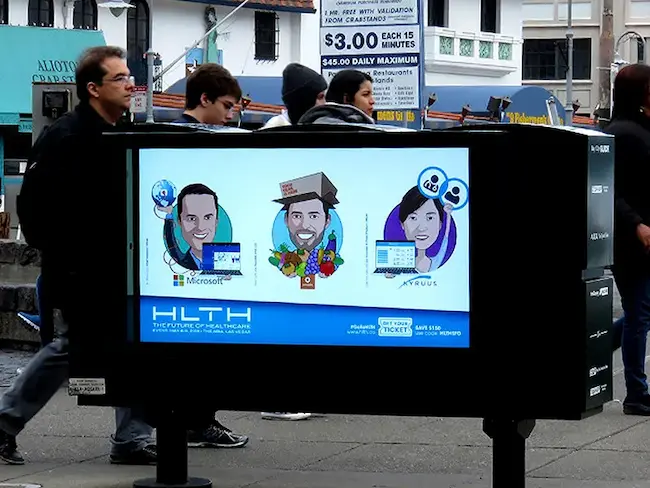
It is important to separate the format from the buying method. A digital billboard is a format. Programmatic DOOH is a way to buy digital screens. Those screens may include roadside digital billboards, transit displays, mall screens, office media, gym screens, pharmacy screens, airport media, entertainment venues, and other place-based digital inventory.
For buyers, the value is flexibility. Programmatic DOOH can help brands move faster, activate multiple markets, adjust creative, use dayparting, and connect out-of-home exposure to broader digital planning.
Programmatic DOOH vs. Direct OOH Buying
| Buying Method | Best Use Case | Buyer Watchout |
|---|---|---|
| Direct static billboard buy | Long-term brand presence, route ownership, simple local campaigns | Less flexible once printed and posted. |
| Direct digital billboard reservation | Premium location control, fixed market presence, predictable placement | May limit flexibility if the campaign needs broader dynamic delivery. |
| Programmatic DOOH | Flexible timing, multi-market reach, dayparting, rotating creative, audience context | Requires clear rules, reporting, and inventory quality controls. |
| Mixed OOH plan | Combining high-impact fixed placements with flexible digital screen delivery | Needs one measurement plan so the channels are not judged separately. |
When Programmatic DOOH Is a Strong Fit
Programmatic DOOH works well when the campaign benefits from flexible delivery. A brand launching in several cities may want to run different creative by market. A restaurant or retailer may want meal-time or shopping-hour messaging. An event may need a countdown. A travel brand may want airport and commuter screens. A healthcare brand may want proximity to clinics and pharmacies with compliance-aware creative.
It can also support campaigns that already use digital media. OOH can create public visibility, while search, social, display, or retargeting capture response later. The best plans define how the channels work together before launch.
What Buyers Should Decide Before Launch
- Markets: which cities, neighborhoods, corridors, or venue types matter?
- Screen environments: roadside, transit, retail, airport, office, gym, healthcare, campus, or entertainment?
- Timing: always-on, dayparted, event-based, weather-triggered, or promotion-based?
- Creative versions: one message everywhere or variations by market, time, offer, or audience context?
- Budget controls: daily budget, total budget, pacing, market allocation, and minimum delivery expectations.
- Measurement: what signal will prove the campaign is working?
Inventory Quality Matters
Programmatic buying does not remove the need for media judgment. Buyers should still ask where the screens are, what the viewing environment is like, whether the audience can see and understand the message, and how delivery is reported. A digital screen in a low-attention environment may be less valuable than a more contextually relevant screen with lower raw reach.
Ask for screen categories, market coverage, venue types, delivery logs, proof-of-play, and any restrictions on creative or categories. If roadside billboards are part of the plan, compare the thinking with BM Outdoor's best billboard locations guide.
Creative for Programmatic DOOH
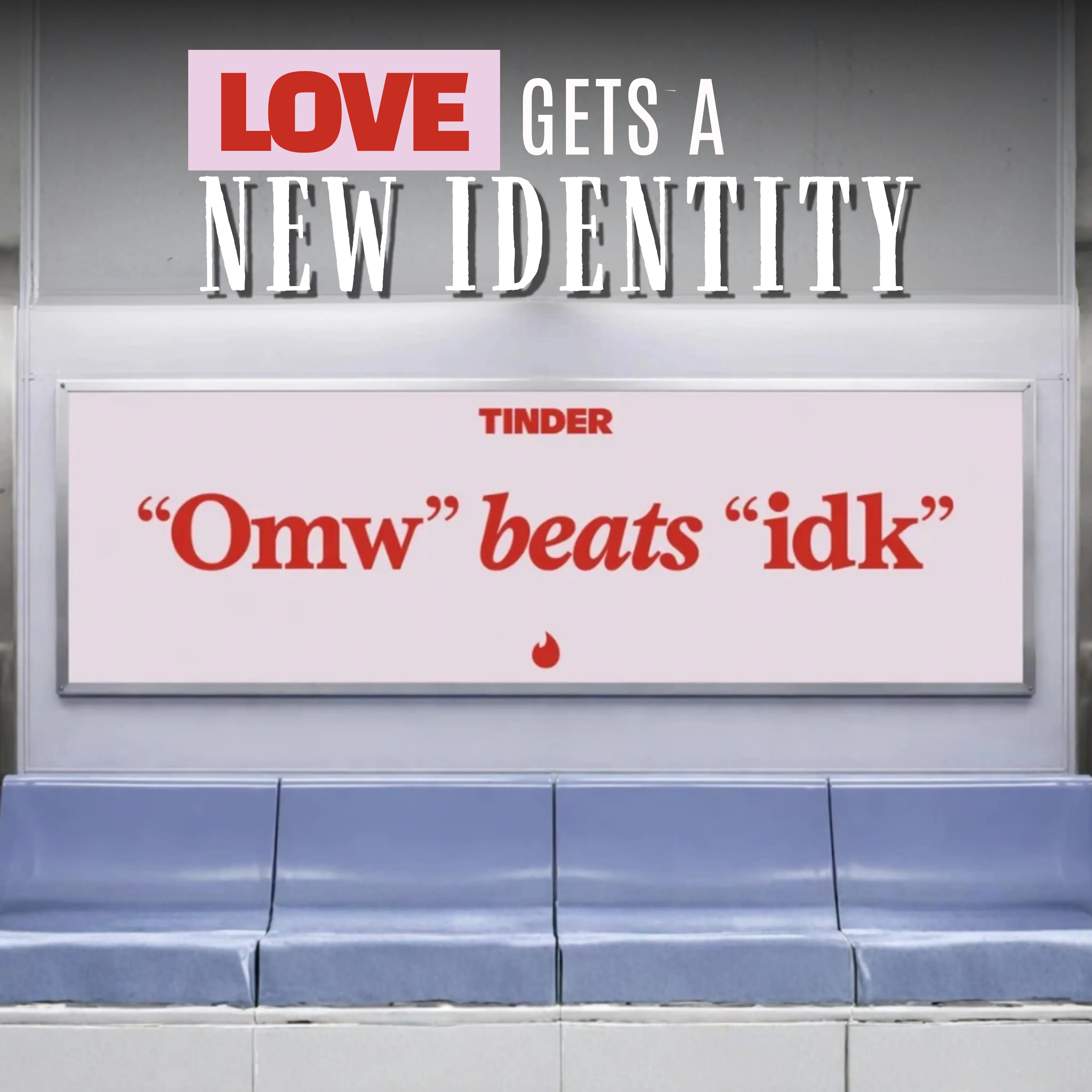
Programmatic DOOH gives brands more creative flexibility, but the creative still needs outdoor discipline. The screen may be seen for seconds, in motion, in a public environment, or while the viewer is waiting. Use strong contrast, short copy, a recognizable brand, and one clear action or memory cue.
The advantage is versioning. A campaign can use different creative for morning and evening, different markets, different event dates, different product offers, or different audience contexts. That flexibility is useful only if each version is readable and approved before it runs. BM Outdoor's billboard design best practices guide covers the core readability rules that still apply to digital OOH.
Measurement and Attribution
Programmatic DOOH reporting often includes delivery logs and impression estimates, but those are only the starting point. Depending on the campaign, measurement can include branded search lift, direct traffic, campaign landing pages, call tracking, store visit analysis, app activity, QR scans in appropriate environments, lift studies, and exposed-versus-control comparisons.
The measurement plan should match the business goal. A brand campaign should not be judged only on last-click form fills. A lead-generation campaign should not be judged only on estimated impressions. BM Outdoor's OOH ROI measurement guide explains how to align media goals with response signals.
How Programmatic Fits With Traditional OOH
Programmatic DOOH does not replace traditional billboard buying. It expands the planning toolkit. A campaign may use fixed high-impact billboards for market authority, then add programmatic DOOH for timing, coverage, and creative variation. Another campaign may use programmatic first to test markets before committing to longer-term placements.
If you are comparing digital billboards and static billboards, start with BM Outdoor's digital vs. static billboard guide. The decision is not only format; it is how much flexibility, permanence, and location control the campaign needs.
Budget and Pricing Questions
Programmatic DOOH pricing depends on market, format, screen environment, demand, targeting rules, campaign length, and buying platform. Do not compare a programmatic screen plan to a static billboard quote as if they were identical products. Compare what the plan delivers: flexibility, reach, timing, audience context, creative rotation, and measurement.
For general billboard pricing variables, BM Outdoor's billboard cost guide provides broader cost context. For a programmatic plan, ask for budget pacing, screen categories, reporting fields, minimums, and what fees are included.
How to Start
Prepare a campaign brief with the business goal, markets, timing, budget range, audience, creative versions, and measurement plan. Then decide whether programmatic DOOH should be the main media plan or a flexible layer around fixed placements.
BM Outdoor can help brands compare direct OOH and programmatic DOOH options, evaluate market coverage, and connect the media plan to a measurable business outcome. Request a programmatic DOOH quote to review available options for your markets.
Frequently Asked Questions
Programmatic DOOH is the automated buying of digital out-of-home screen inventory based on campaign rules such as market, time, location, format, audience context, and budget.
No. Digital billboards are a format. Programmatic DOOH is a buying method that can include digital billboards, transit screens, place-based screens, mall media, airport media, and other digital OOH inventory.
Use it when flexible timing, audience context, multi-market activation, creative rotation, or data-informed delivery matters more than a fixed long-term placement.
Yes. Measurement can include delivery logs, impression estimates, location exposure, website traffic, branded search, store visits, call tracking, lift studies, and exposed-versus-control analysis depending on the campaign.
No. It complements traditional buying. Static or directly reserved units can be better for long-term route ownership, while programmatic DOOH can add flexibility, timing, and broader digital screen access.
Creative should still be simple, but it can be versioned by market, time, weather, promotion, audience context, or campaign phase. Each version should be readable in the viewing environment.
Define the goal, markets, audience context, timing, budget, creative versions, and measurement plan. Then confirm inventory quality, screen environments, buying rules, and reporting before launch.
Ready to advertise outdoors?
BM Outdoor plans, buys and prints OOH campaigns across all 50 states. Request a free quote with no commitment.



Comments
Be the first to comment.