Why Transit Advertising Works
Transit advertising is one of the most practical ways to reach people repeatedly in a dense local market. It follows the daily movement of commuters, students, shoppers, tourists, event attendees, and neighborhood residents through buses, subways, trains, platforms, shelters, stations, and commuter corridors.
The advantage is frequency plus context. A rider may see the same platform panel every workday. A pedestrian may pass the same shelter on the way to lunch. A bus exterior may move through several neighborhoods in a single route. That gives brands local repetition without depending only on highway traffic.
Transit is strongest when the campaign has a clear geographic or behavioral target: a borough, station area, commuter route, campus corridor, downtown district, event venue, retail zone, or service area.
Transit Formats Buyers Should Compare
| Format | Best Use Case | Creative Note |
|---|---|---|
| Subway and rail station media | High-dwell commuter visibility, neighborhood or station-area reach | Can support a headline, offer, and simple action because viewers may wait nearby. |
| Platform posters and digital panels | Repeated exposure during daily commutes | Use strong brand cues and clear contrast; avoid small details. |
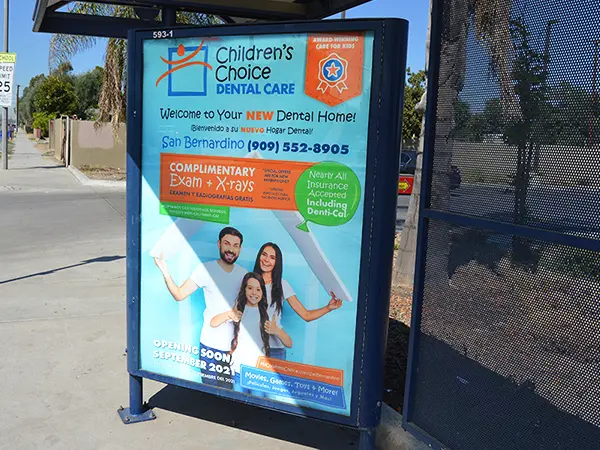
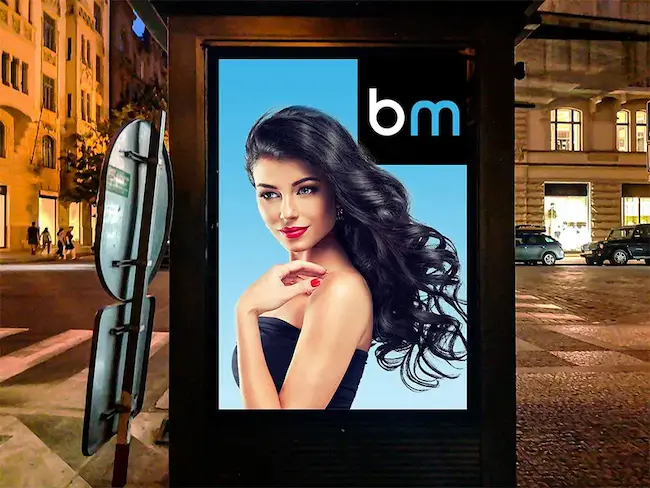
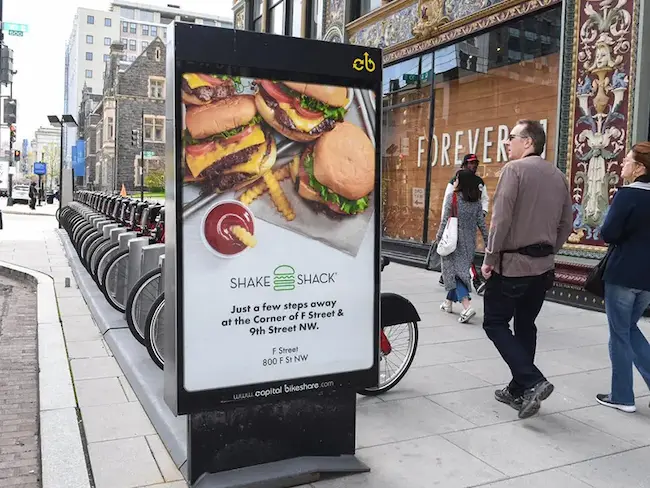
| Bus shelters | Street-level retail, healthcare, education, restaurants, public awareness | Pedestrians may have more read time, but the message still needs hierarchy. |
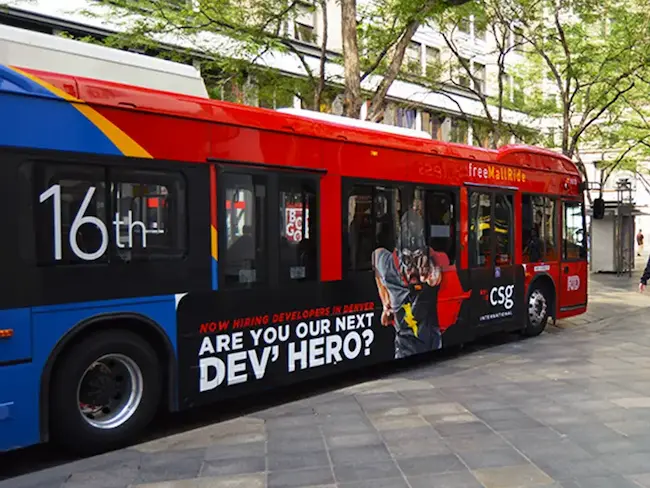
| Bus exteriors | Mobile neighborhood coverage and route presence | Keep copy short because exposure can happen in motion. |
| Commuter rail | Suburban-to-urban audiences, business districts, regional reach | Connect the message to workday routines or destination behavior. |
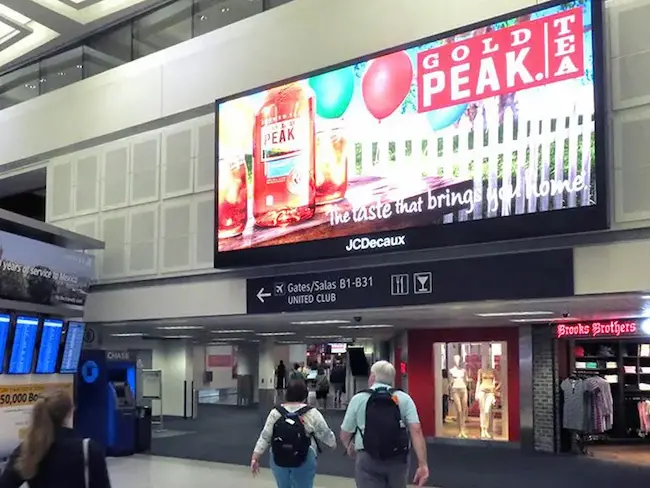
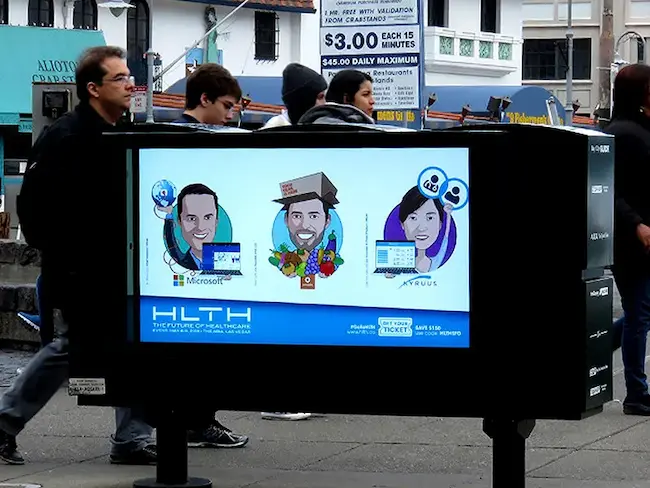
| Transit digital screens | Flexible messaging, dayparting, event reminders, market-specific versions | Plan creative rotations before launch so every version is legible. |
Start With Routes, Not Inventory
The best transit plan starts with audience movement. A station near a university may be more useful for enrollment than a higher-traffic station with the wrong audience. A bus route passing clinics, pharmacies, and residential neighborhoods may be better for healthcare than a general downtown buy. A campaign for a Broadway show, sports event, or concert may need station and shelter visibility near ticket-buying neighborhoods and venue approaches.
Ask where the audience starts, transfers, waits, exits, and makes decisions. Transit media is not just a sign inside a system; it is a way to attach a brand to repeated movement patterns.
When Transit Beats a Billboard
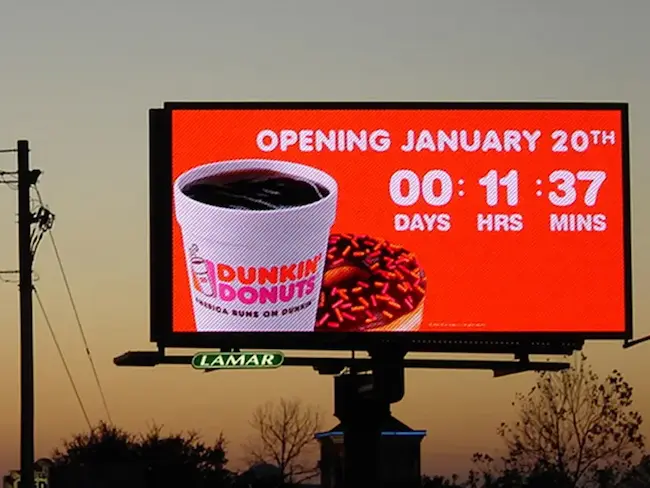
Billboards are strong for high-impact roadside visibility and broad local awareness. Transit can be stronger when the campaign needs pedestrian-level reach, urban repetition, station-area dominance, or coverage in places where roadside boards are limited. In a market like New York, transit can be central to how people move through the city.
That does not make one format universally better. A strong OOH plan may combine a billboard for broad visibility with transit media for neighborhood frequency. For a wider view of format selection, see BM Outdoor's OOH advertising guide.
Creative Rules for Transit
Transit creative should reflect the viewing environment. A subway platform panel may have more dwell time than a bus exterior. A shelter may be seen by both pedestrians and passing vehicles. A station domination can carry a sequence of messages, while a single poster needs one clear idea.
- Use one job per placement: awareness, ticket sales, app install, appointment, visit, or search.
- Match copy length to dwell time: shorter for moving formats, slightly richer for station media.
- Use location cues: neighborhood, station, venue, campus, or route references when useful.
- Keep the CTA simple: search phrase, short URL, date, address cue, or phone number.
- Design for distance: high contrast, strong hierarchy, and fast brand recognition.
For broader creative principles, use BM Outdoor's billboard design best practices guide. The same legibility discipline applies, even when the medium is a station panel or bus shelter.
Measurement and Reporting
Transit advertising should be measured before the campaign launches. For awareness, track market reach, branded search, direct traffic, and survey or lift data where available. For response, use landing pages, QR codes where the environment supports scanning, promo codes, app activity, calls, store visits, ticket sales, or appointment requests.
Campaigns with clear route or station logic can also compare exposed neighborhoods against control areas. BM Outdoor's OOH ROI measurement guide explains how to align the media goal with the right response signal.
Budget Context
Transit advertising costs vary by market, system, format, placement volume, production, campaign length, and demand. A single shelter poster, a station domination, a bus exterior program, and a rail campaign are not comparable line items. For general outdoor pricing variables, use BM Outdoor's billboard cost guide as context, then request transit-specific availability and rates.
The right budget question is: how much coverage and frequency do you need in the transit environments that matter? A small campaign can work if the route is precise. A larger campaign may be needed when the goal is broad city visibility.
How to Start a Transit Campaign
Prepare a brief with the market, target audience, commute or travel pattern, campaign timing, creative needs, and measurement plan. If the campaign is tied to a school, event, venue, clinic, retail location, or neighborhood, include those addresses early so the plan can map routes and station areas correctly.
BM Outdoor can help compare transit formats, evaluate market coverage, and build a campaign around commuter behavior. Request a transit advertising quote to review options for your market.
Frequently Asked Questions
Transit advertising is out-of-home media placed in or around public transportation systems, including buses, subway stations, train stations, platforms, shelters, rail cars, bus exteriors, and commuter corridors.
No. Large transit systems create strong scale, but bus shelters, commuter rail, station media, and route-based placements can also support regional and mid-market campaigns.
Transit can work for events, schools, healthcare, retail, restaurants, tourism, financial services, apps, entertainment, public awareness, and brands that need repeated commuter exposure.
Campaign length depends on format availability, audience frequency, seasonality, and the action you want. Many campaigns run four weeks or longer, while event campaigns may concentrate around launch or ticketing windows.
Measurement can include delivery proof, station or route exposure, branded search, direct traffic, QR scans where appropriate, promo codes, app activity, store visits, and before-and-after response trends.
It depends on the market, format, volume, production, campaign length, and demand. Transit and billboard campaigns solve different planning problems, so compare them by audience fit and market coverage, not only by rate.
Transit creative should match dwell time. Platform and station ads can carry slightly more detail, while bus exteriors and commuter-route formats need short, high-contrast messages.
Ready to advertise outdoors?
BM Outdoor plans, buys and prints OOH campaigns across all 50 states. Request a free quote with no commitment.










Comments
Be the first to comment.