OOH in Plain English
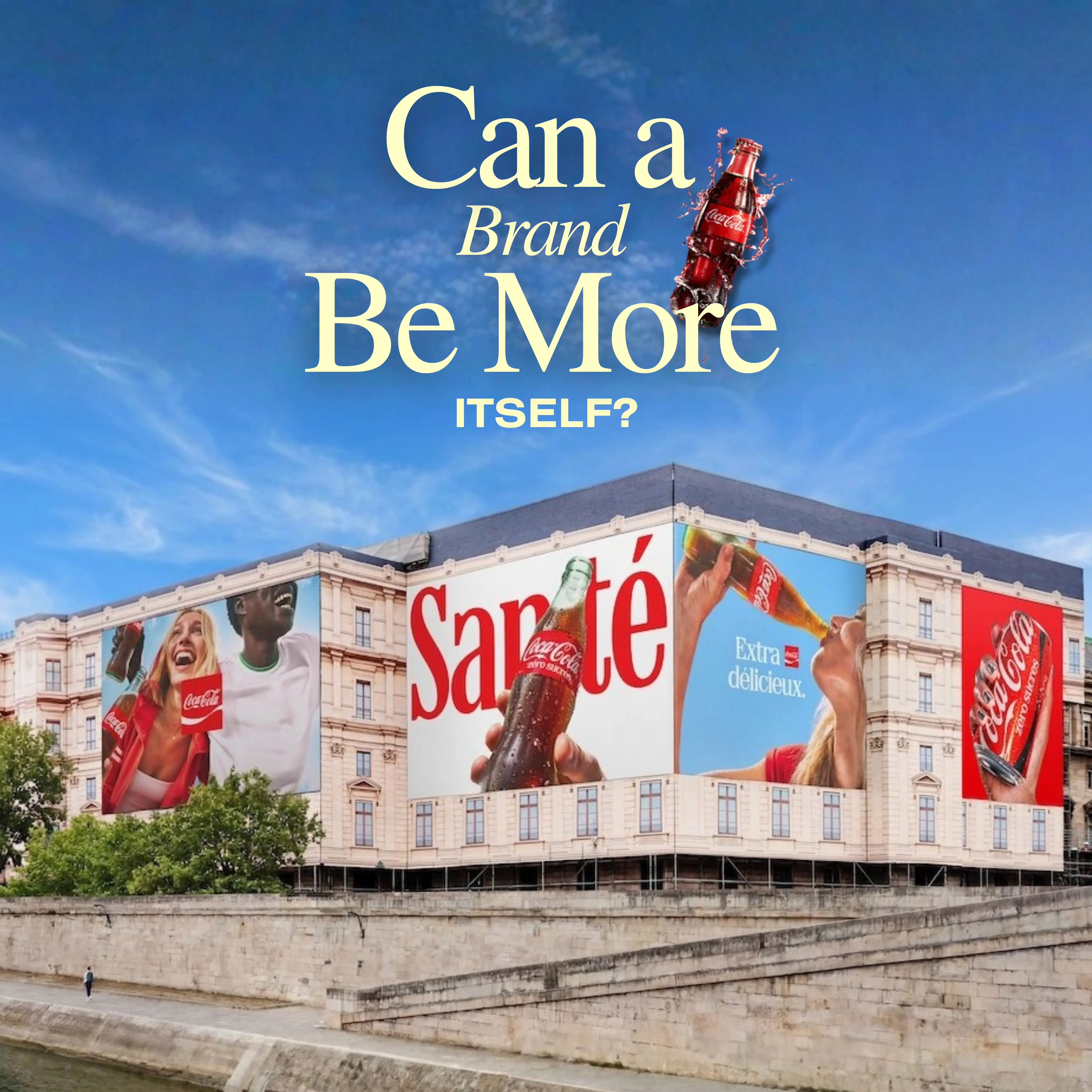
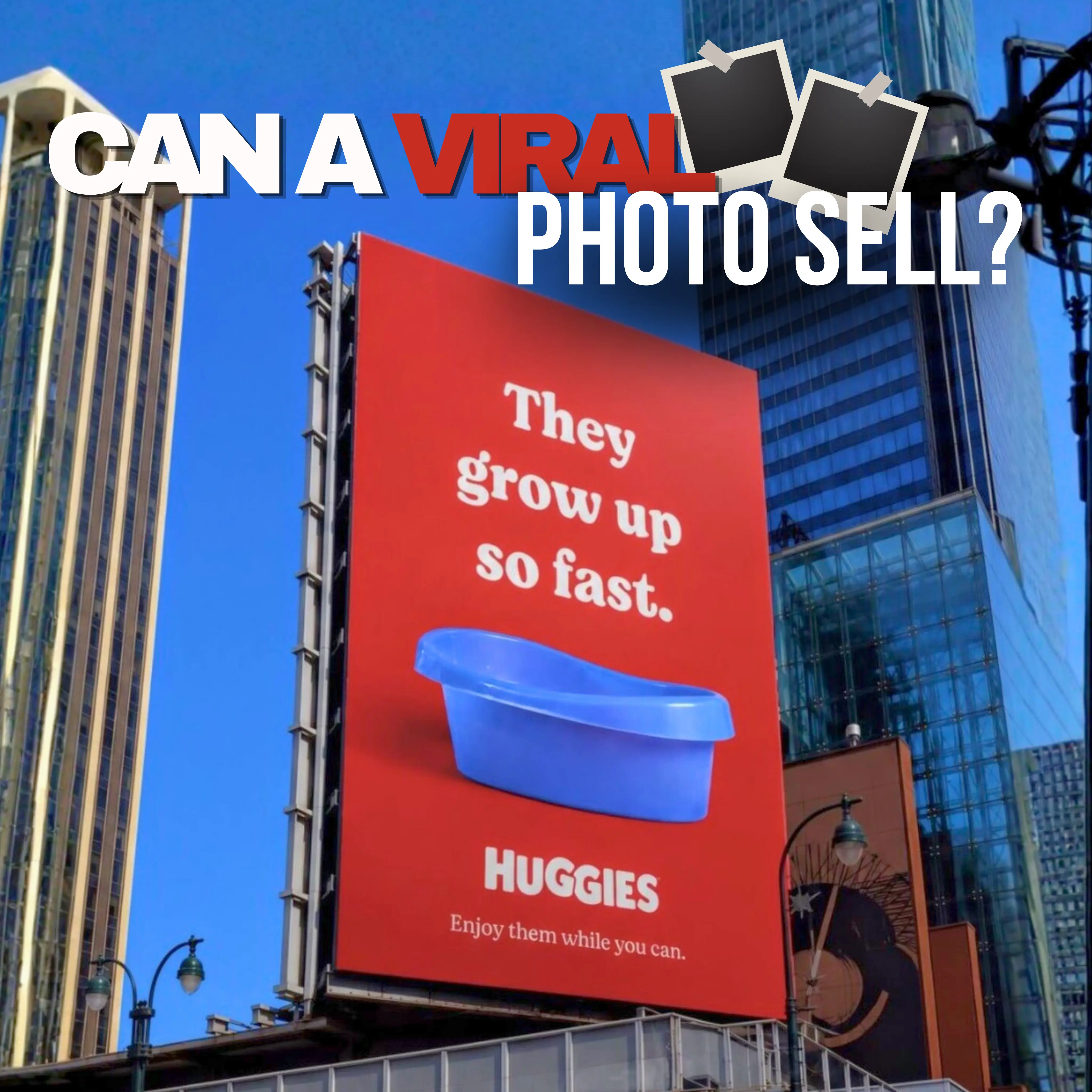
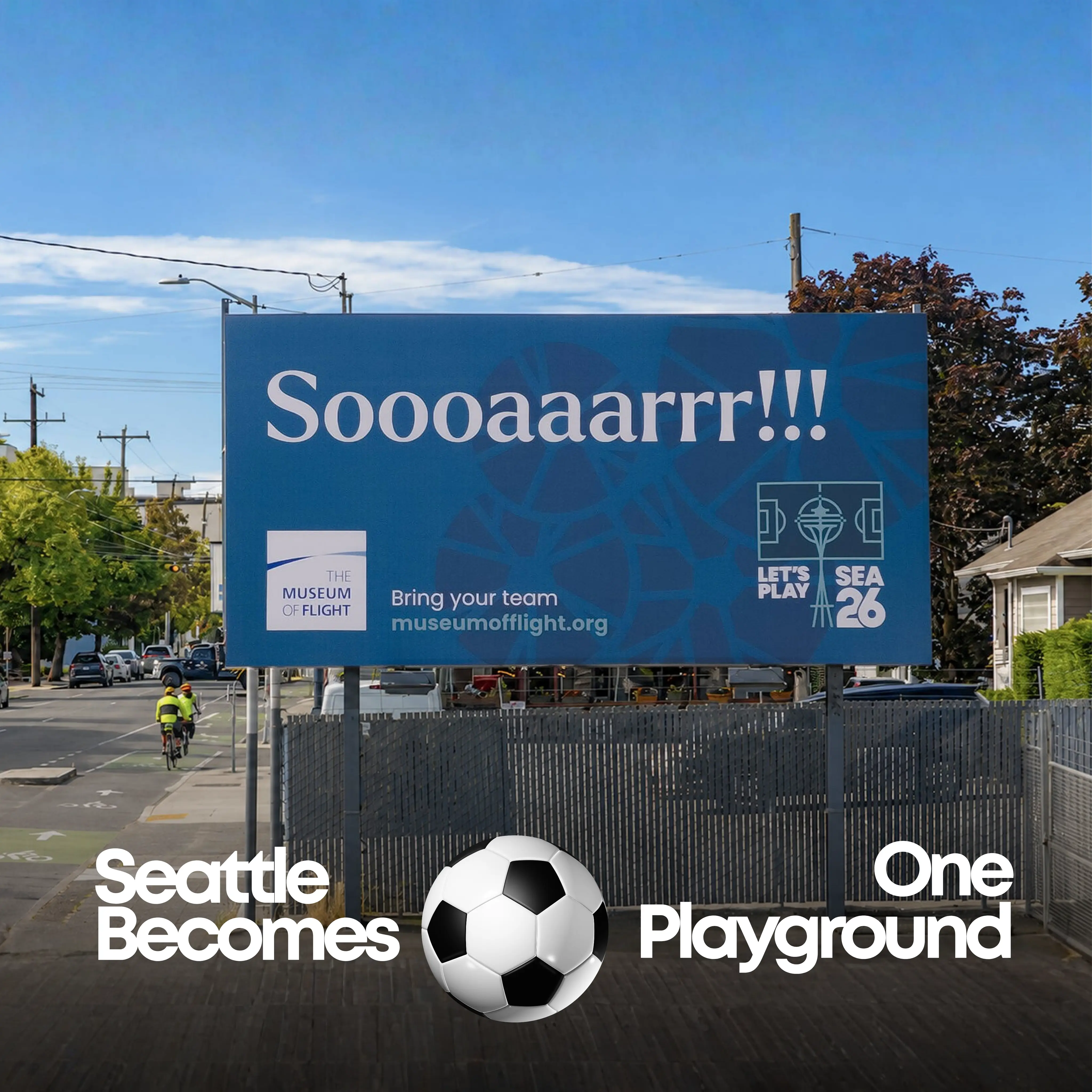
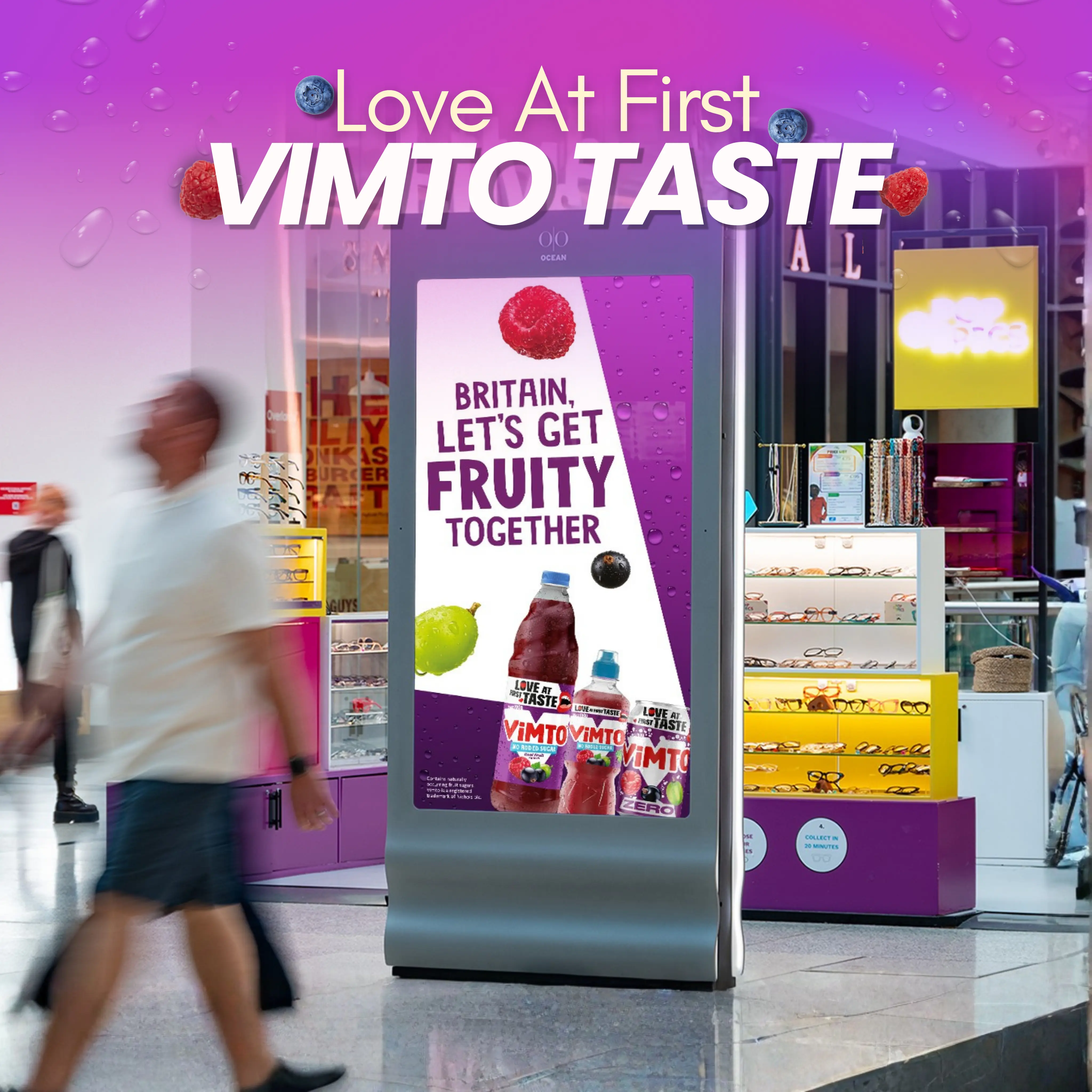
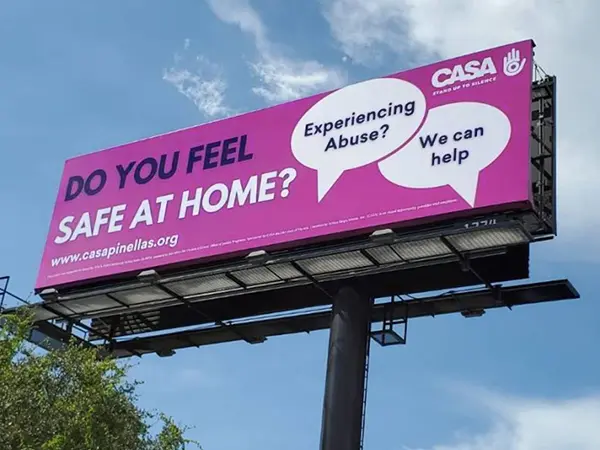
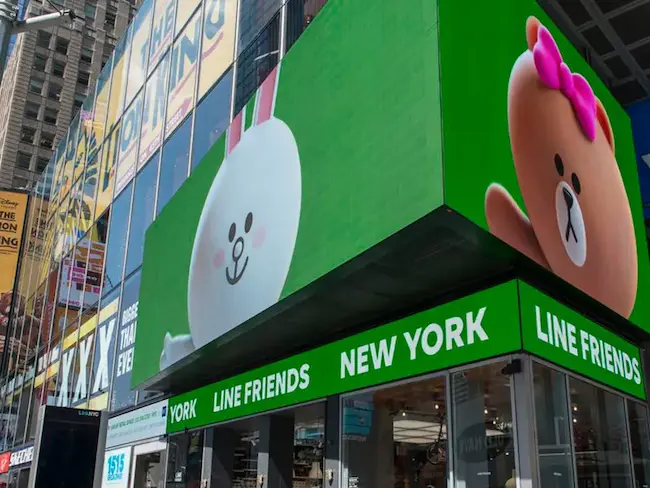
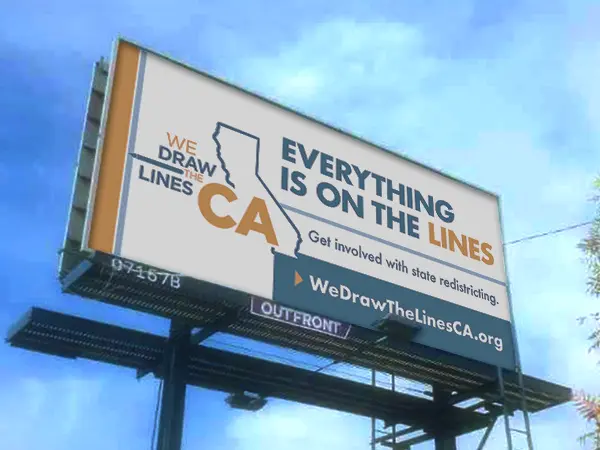
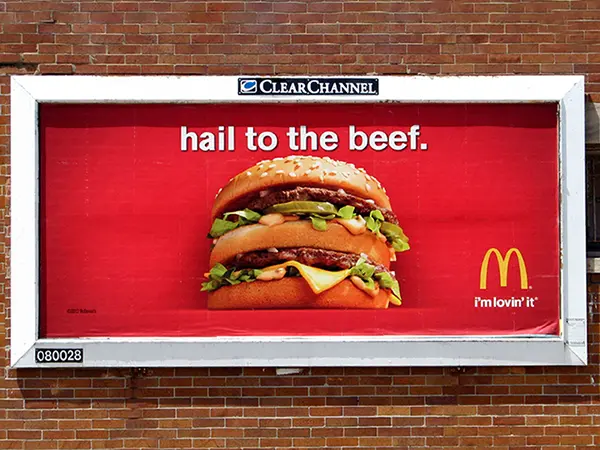
OOH advertising, short for out-of-home advertising, is paid media that reaches people when they are outside their homes. It includes the formats most buyers already know, such as billboards and transit ads, plus digital screens, airport media, mall media, street furniture, place-based displays, wallscapes, and experiential activations.
The reason brands buy OOH is simple: people still move through physical markets. They commute, shop, work, travel, wait, walk, attend events, visit clinics, and make decisions away from a laptop. OOH gives advertisers a way to be visible in those real-world moments.
For a buyer, the useful question is not only "what is OOH?" The better question is: which out-of-home format reaches the right person, in the right location, with enough repetition to support the business goal?
Common OOH Formats
| Format | Best Fit | Planning Consideration |
|---|---|---|
| Static billboards | Durable local awareness, route ownership, brand presence | Use simple creative that can work for several weeks or months. |
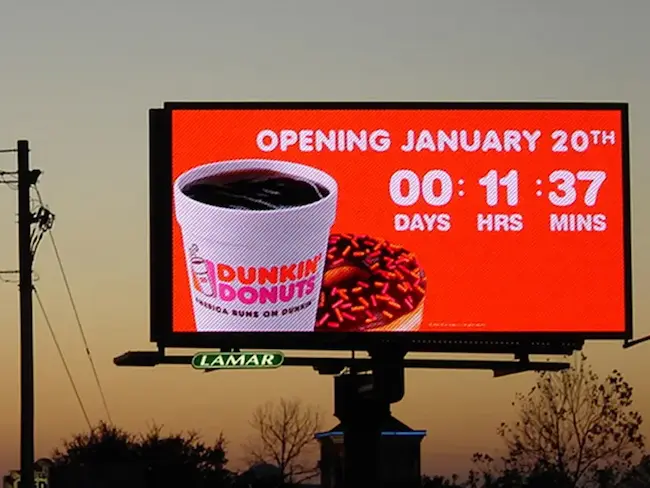
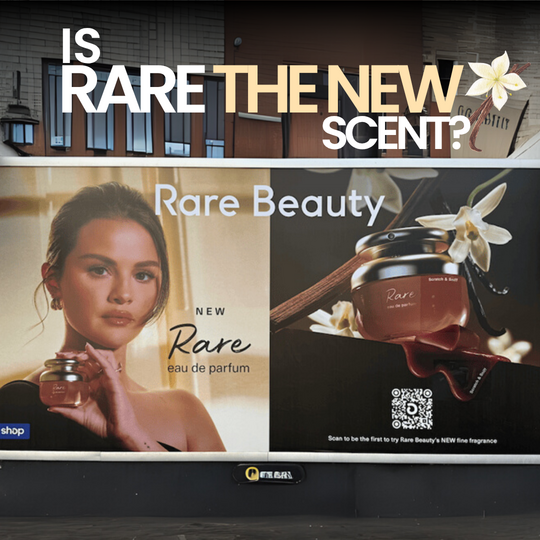
| Digital billboards | Flexible promotions, event timing, rotating messages, dayparting | Confirm rotation, share of voice, creative rules, and flight timing. |
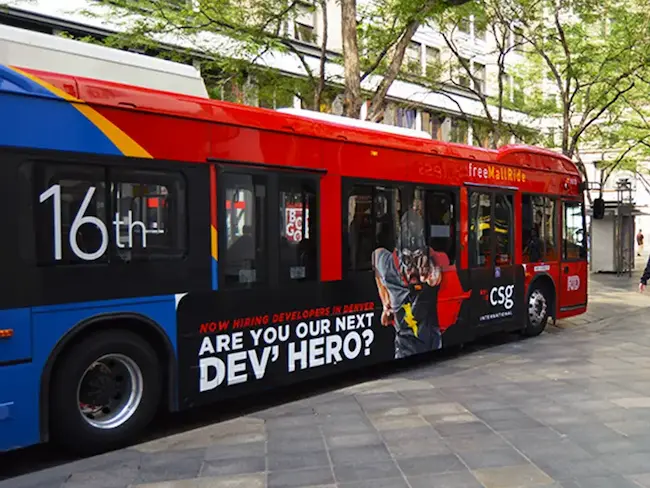
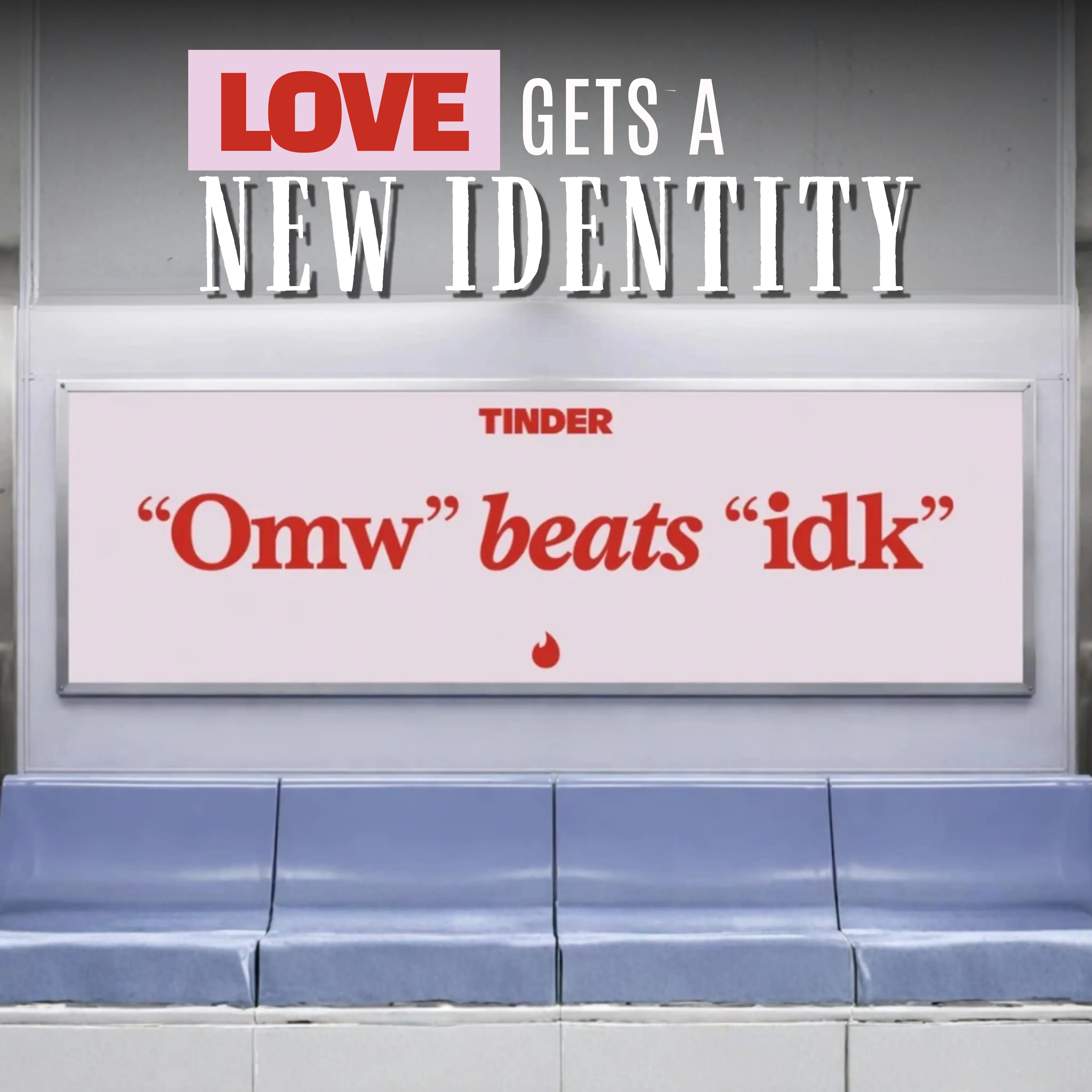
| Transit media | Commuter reach, downtown coverage, borough or neighborhood visibility | Match route patterns to the audience instead of buying transit broadly. |
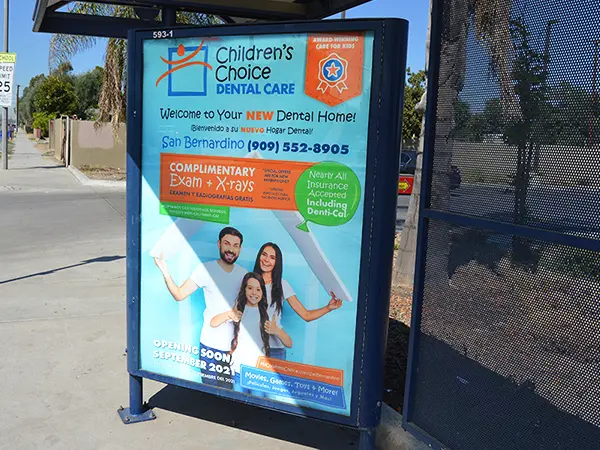
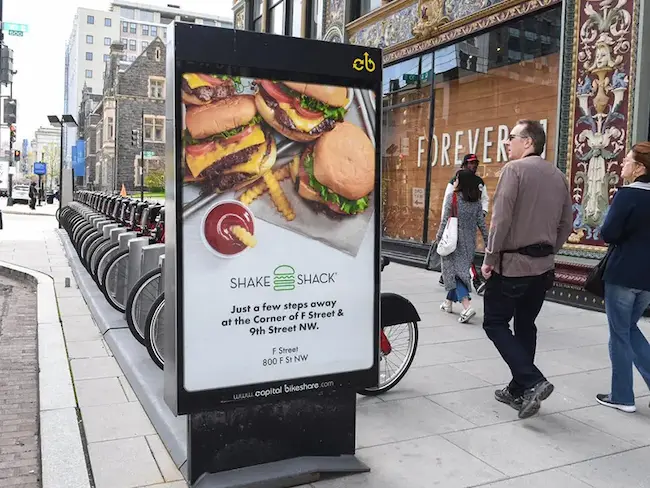
| Street furniture | Pedestrian traffic, retail districts, urban frequency | Creative can carry more detail than a highway board, but still needs restraint. |
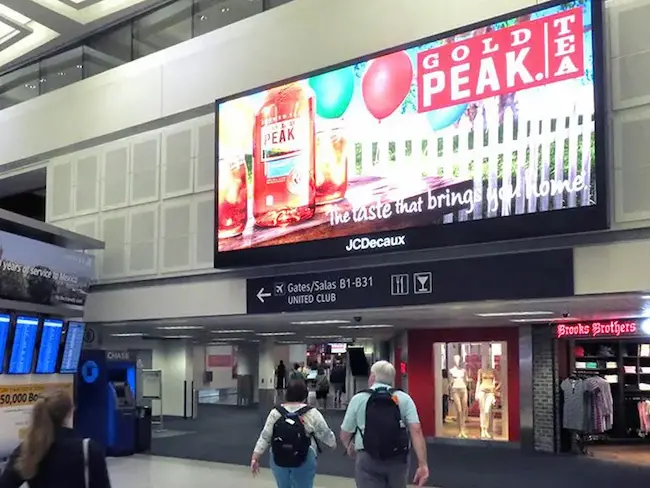
| Airport media | Business travelers, tourism, premium audiences, destination messaging | Think about dwell time, terminal context, and arrival vs. departure mindset. |
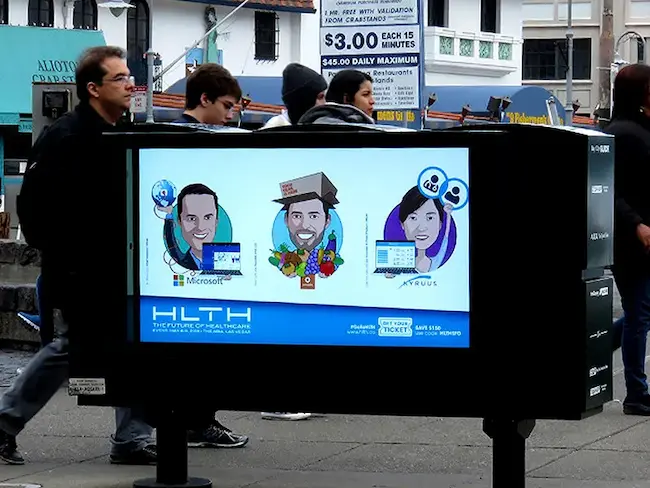
| Place-based screens | Gyms, clinics, malls, offices, pharmacies, campuses, entertainment venues | Use the venue context to make the message more relevant. |
When OOH Works Best
OOH works best when the campaign has a clear role. It can introduce a brand, make a local business feel established, support a store opening, drive search behavior, reinforce a promotion, build trust before a sales conversation, or create market presence before digital campaigns retarget the same audience.
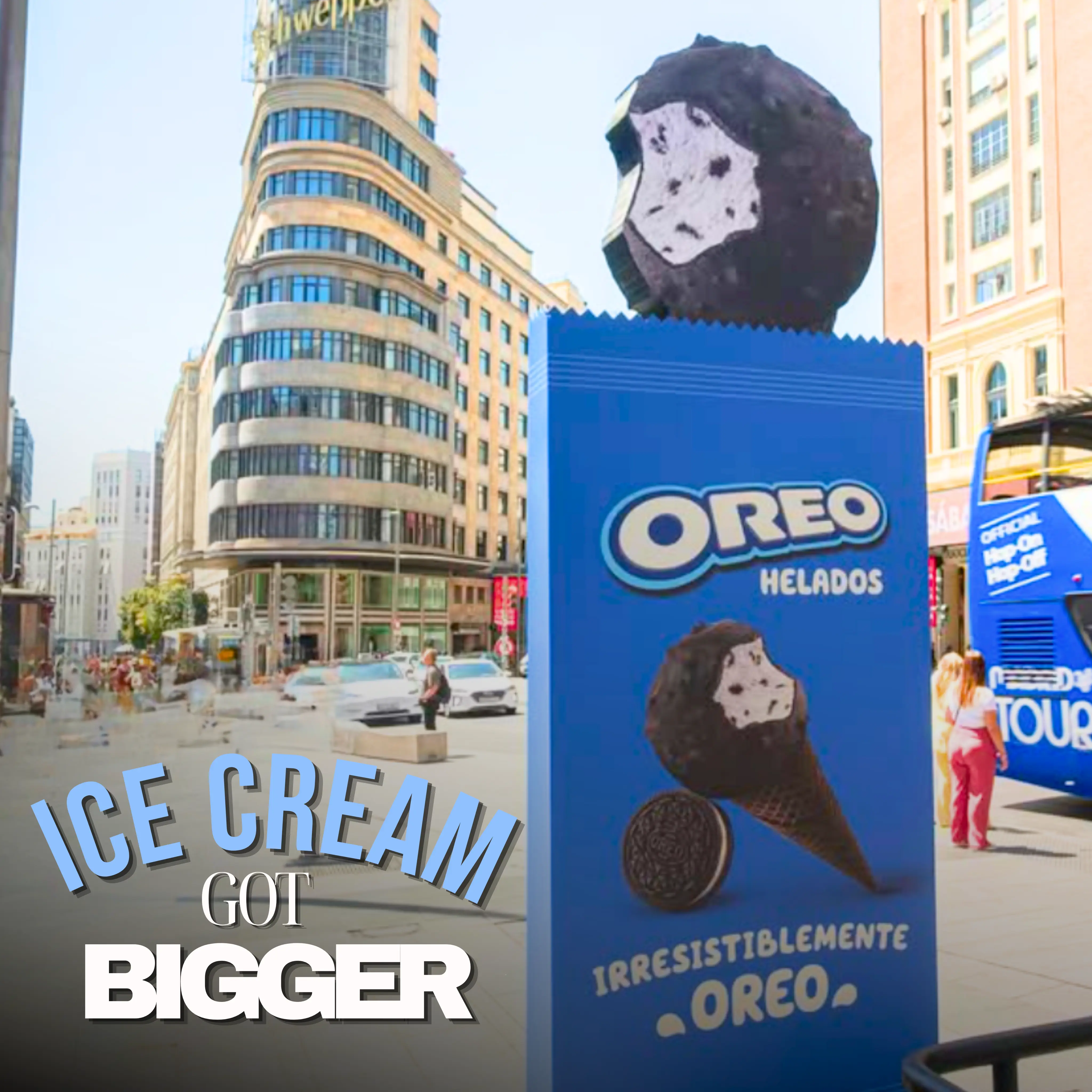
For example, a healthcare provider may use OOH near clinics and commuter corridors to make appointment options more visible. A restaurant may use boards near exits and meal-time routes. A university may target feeder schools and parent commute patterns. A national brand may use high-impact units in major markets to make a launch feel unavoidable.
OOH Is Not Just Awareness
Many buyers treat OOH as a pure awareness channel. That is too narrow. OOH can support lower-funnel action when it is planned with location, message, and measurement in mind. A board near a store can drive visits. A campaign near competitor clusters can support conquesting. A transit campaign can reinforce an event date. A local service campaign can increase branded search and calls.
The key is to define the action before buying media. If the desired action is a call, the creative should make the phone or service promise easy to understand. If the action is a visit, the board should make location and route logic obvious. If the action is a search, the brand name and category must be memorable.
How to Choose the Right OOH Format
Start with the audience's movement pattern. Drivers, commuters, pedestrians, travelers, shoppers, students, patients, and venue visitors behave differently. A highway billboard may be perfect for broad local reach, but a street-level unit may be stronger for downtown foot traffic. A digital board may be ideal for a short promotion, while a static board may be better for a long-term brand message.
If the campaign is heavily billboard-focused, BM Outdoor's best billboard locations guide can help pressure-test placement logic. If the decision is between flexible digital inventory and longer-term static inventory, use the digital vs. static billboard guide.
Planning an OOH Campaign
- Objective: decide whether the campaign is for awareness, visits, calls, leads, event attendance, search lift, or launch support.
- Market: define the city, neighborhoods, trade area, or route network that matters.
- Audience: describe who needs to see the message and where they move in the physical world.
- Format: choose the media type based on visibility, dwell time, flexibility, and proximity to action.
- Creative: use one message, strong contrast, fast recognition, and a simple call to action.
- Measurement: set up tracking before launch, not after the campaign ends.
Cost and Budget Context
OOH pricing depends on the market, format, location quality, demand, production, installation, and campaign length. A Times Square unit, a suburban bulletin, a bus shelter, an airport display, and a local poster are not interchangeable buys. For detailed billboard pricing variables, use BM Outdoor's How Much Do Billboards Cost? guide instead of repeating ranges here.
A better budget conversation starts with the job the media needs to do. If the campaign needs local dominance, the plan may prioritize frequency across a service area. If the campaign needs a big launch moment, it may prioritize fewer high-impact locations. If the campaign needs flexible messaging, digital OOH may matter more than long-term static presence.
How to Measure OOH
Measurement should match the goal. Brand campaigns may use reach, frequency, lift studies, search behavior, and direct traffic. Local campaigns may track calls, forms, store visits, QR scans where the environment supports them, promo codes, and sales conversations. Multi-market campaigns may compare exposed and control markets.
For a deeper measurement framework, see BM Outdoor's billboard ROI measurement guide. The practical rule is simple: define the success signal before media is purchased.
Where BM Outdoor Fits
BM Outdoor helps brands compare OOH formats, plan local and national market coverage, evaluate billboard locations, and connect out-of-home campaigns to measurable business goals. If you already know the market you want, start with BM Outdoor's market page. If you need help shaping the plan, request an OOH advertising quote and share your audience, timing, and business goal.
Frequently Asked Questions
OOH stands for out-of-home advertising. It refers to paid media seen outside the home, such as billboards, transit ads, street furniture, digital screens, airport media, and place-based media.
Billboards are one major part of OOH, but OOH is broader. It can also include transit, airport, mall, street-level, digital, and venue-based media.
OOH can work for local businesses, national brands, franchises, events, healthcare systems, schools, real estate developments, restaurants, financial services, and brands that need physical-market visibility.
Yes, if the campaign connects the message to a clear action such as calls, visits, appointment requests, store traffic, searches, or a dedicated landing page. It should be planned with measurement before launch.
OOH can be measured with delivery proof, location exposure, branded search, direct traffic, call tracking, QR response where appropriate, store visits, lift studies, and before-and-after lead or sales comparisons.
Costs vary by market, format, visibility, demand, campaign length, and production. For pricing detail, use BM Outdoor's dedicated billboard cost guide rather than relying on a single national average.
Start with the business goal, target audience, market, timing, budget range, creative assets, and measurement plan. Then compare formats and locations based on how the audience moves in the real world.
Ready to advertise outdoors?
BM Outdoor plans, buys and prints OOH campaigns across all 50 states. Request a free quote with no commitment.





Comments
Be the first to comment.