Why the Partner Matters
Choosing between billboard advertising companies is not only a pricing decision. A good OOH partner helps decide where the campaign should run, what format fits the objective, how long the flight should be, what the creative should say, and how performance will be evaluated after launch.
That matters because outdoor advertising is physical media. Two boards in the same city can produce very different value depending on traffic flow, approach angle, distance from the buying moment, neighborhood fit, dwell time, and whether the audience actually has time to read the message.
Use this guide when comparing billboard advertising companies, outdoor advertising companies, or OOH agencies. The goal is to move past a list of locations and get to a campaign plan that makes business sense.
What Strong Billboard Advertising Companies Do
A strong partner starts with the business case. A restaurant opening, a law firm awareness campaign, a healthcare brand, a franchise launch, and a tourism campaign do not need the same board mix. The planner should ask what action matters: calls, web visits, store traffic, appointment requests, brand awareness, route coverage, or market entry.
From there, the partner should translate the goal into media logic. That includes market selection, corridor selection, format choice, creative recommendations, timing, and measurement. If the conversation jumps straight to available inventory and monthly rates, the plan may be too shallow.
Comparison Checklist
| Evaluation Area | What to Ask | Why It Matters |
|---|---|---|
| Inventory access | Do you recommend only owned boards or can you plan across multiple media owners? | Broader access can produce a better fit for audience, route, and budget. |
| Location logic | Why this corridor, side of road, approach direction, or neighborhood? | The right board is about context, not just traffic count. |
| Format mix | Should this use static bulletins, digital billboards, posters, transit, or a mix? | Different formats solve different problems for reach, flexibility, and proximity. |
| Creative review | Will you check readability, message length, contrast, and call to action? | Weak creative can waste a strong location. |
| Measurement | What can we track before, during, and after the campaign? | Measurement should be planned before the board goes live. |
| Pricing clarity | What is included in the rate and what is separate? | Production, installation, extensions, and creative can affect total cost. |
Owned Inventory vs. Independent Planning
Some billboard advertising companies own physical inventory. Others work like outdoor advertising agencies and help buyers compare inventory across owners. Both models can work, but they create different incentives.
An owner may have excellent local boards and strong operational control. An independent planner may compare more options across a market. The key is transparency. Ask whether the proposal represents the best available plan for your objective or the best available inventory inside one company portfolio.
How to Judge Location Quality
Location quality is more specific than traffic volume. A board with strong visibility on the wrong side of the commute may be weaker than a lower-traffic board closer to the buying moment. A board near a highway exit may work well for a restaurant, urgent care clinic, dealership, or event venue. A board near an employment district may work better for banks, trade schools, recruiters, and B2B services.
Before approving a location, ask for the practical story: who passes it, when they pass it, how long they see it, what they are likely doing next, and why that moment supports the campaign.
Format Questions to Ask
- Static billboard: good for long-term brand presence, simple offers, route ownership, and high-frequency local visibility.
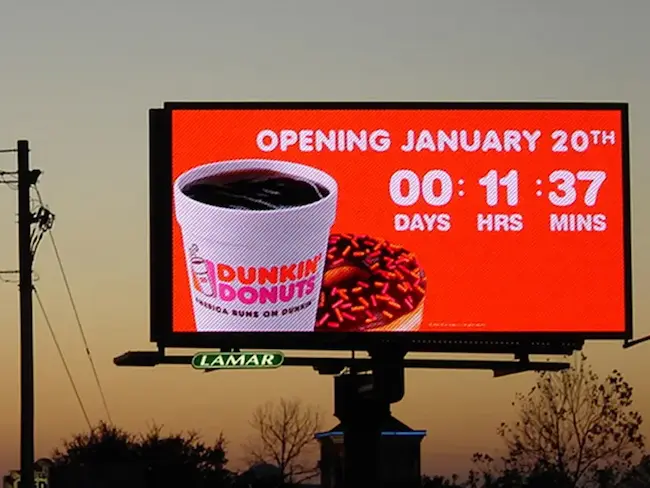
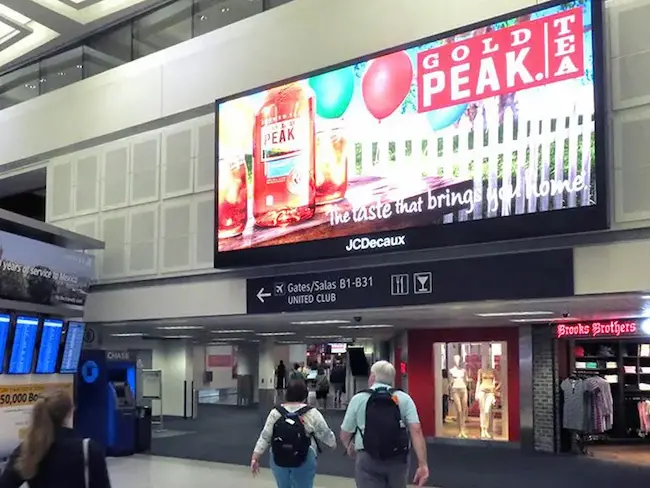
- Digital billboard: useful for flexible messaging, daypart changes, short promotions, event countdowns, and rotating creative.
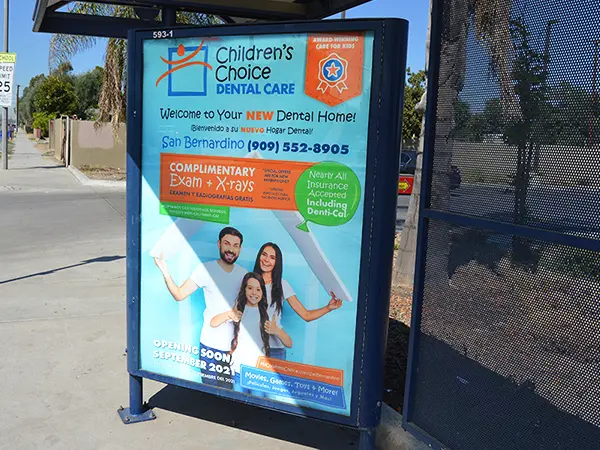
- Poster or junior poster: often useful for neighborhood coverage, local services, and proximity campaigns.
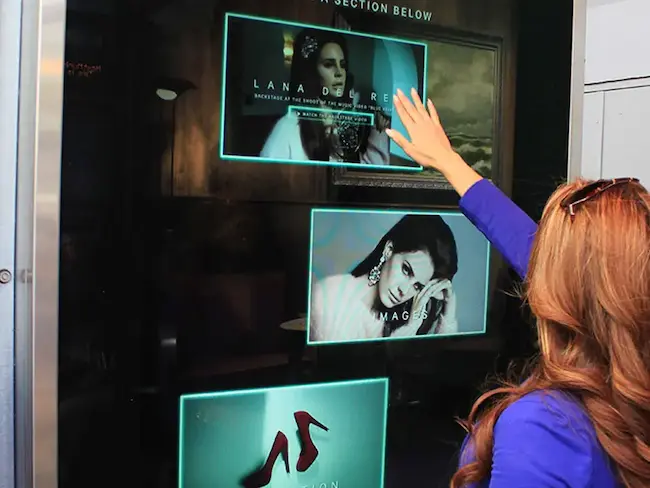
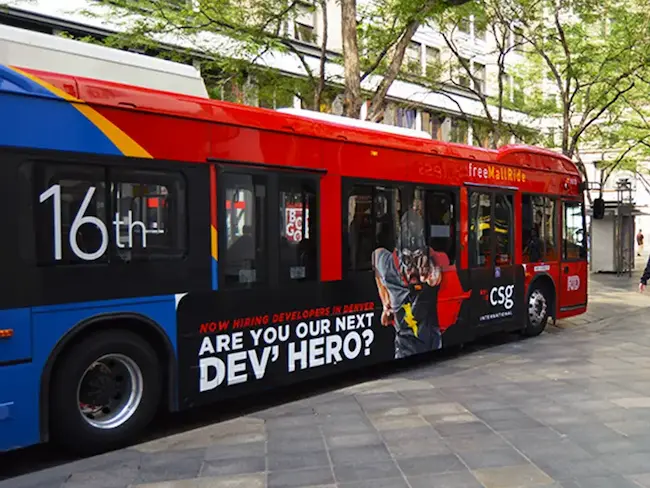
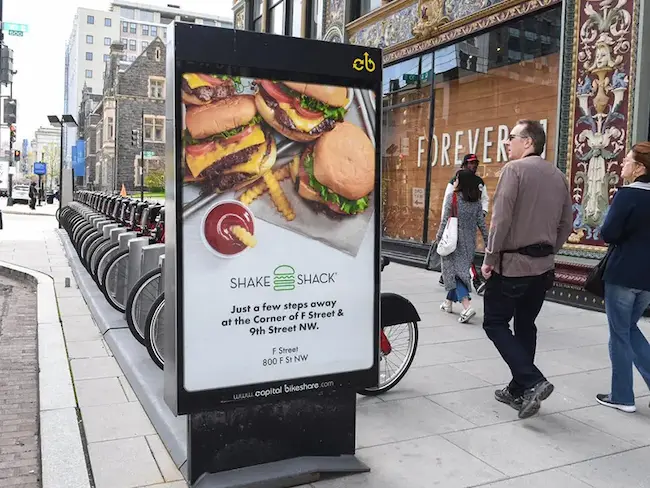
- Transit and street-level OOH: useful when pedestrian flow, downtown presence, or commuter repetition matters.
If the campaign depends on fast creative changes, compare digital options with the guidance in BM Outdoor's digital vs. static billboard guide. If the campaign is location-sensitive, use the best billboard locations guide to pressure-test placement logic.
Pricing and Budget Conversations
Do not ask only for the cheapest monthly rate. Ask what the rate buys: market, format, visibility, flight length, production, installation, proof-of-performance, creative support, and any required minimums. For detailed pricing ranges and cost variables, use BM Outdoor's billboard cost guide instead of treating a single quote as the market.
A good proposal should make tradeoffs visible. For example, a campaign may choose fewer high-impact units in a core corridor or broader coverage with smaller formats. Neither is automatically better. The correct choice depends on the business goal.
Measurement Before Launch
Billboard measurement works best when the tracking plan is set before creative is approved. Decide what response signals matter: branded search, direct traffic, call volume, landing page visits, appointment requests, store visits, sales lift, promo codes, or awareness surveys. Then build the creative and media plan around those signals.
For a deeper measurement framework, see BM Outdoor's billboard ROI measurement guide. The short version: do not wait until the campaign is over to decide what success means.
Red Flags in a Billboard Proposal
- The proposal lists boards but does not explain why each location fits the audience.
- The company cannot explain posting dates, proof-of-performance, or reporting.
- The creative is treated as an afterthought.
- The plan uses traffic counts as the only reason to buy.
- The quote hides production, installation, or minimum-flight details.
- The same recommendation is used for every city without local adjustment.
Market Planning Examples
In large markets such as Los Angeles, New York City, Chicago, and Dallas-Fort Worth, the best partner should narrow the market instead of simply saying the city has reach. Ask which corridors, commute patterns, neighborhoods, venue clusters, and competitive zones matter most.
A multi-city advertiser should also ask how the plan changes by market. A freeway-heavy launch, a downtown awareness campaign, and a suburban lead-generation push require different board logic.
How to Start the Buying Process
Bring the partner a clear objective, target audience, ideal launch date, top markets, estimated budget range, and any known creative assets. If the campaign is tied to a location, opening, event, or promotion, share the address and dates early. That helps the planner evaluate route coverage and proximity instead of building a generic plan.
BM Outdoor can help compare billboard options, plan locations, review creative, and build a campaign around measurable business goals. Request a billboard advertising quote to start with market recommendations instead of a generic inventory list.
Frequently Asked Questions
Look for market knowledge, inventory access, clear location recommendations, creative review, proof-of-performance, transparent pricing, and a plan for measuring calls, visits, leads, or brand lift.
Not always. Some companies own billboard inventory, some plan and buy media across multiple owners, and some do both. Buyers should ask whether recommendations are limited to owned boards or cover the full market.
Usually no. The lowest rate can be a poor buy if the board misses the target audience, has weak visibility, poor approach angle, low dwell time, or no clear measurement plan.
Compare format, location, traffic context, visibility, campaign length, creative rotation, production needs, posting dates, reporting, and whether each board supports the business goal.
Yes, but ask how they plan coverage across cities. A strong partner should explain which corridors, neighborhoods, formats, and timing make sense in each market instead of copying one plan everywhere.
Many do. At minimum, the partner should review legibility, message length, brand contrast, call to action, and whether the creative works at driving speed.
You should receive proof-of-performance and campaign delivery details. Depending on the campaign, reporting may also include call tracking, landing page traffic, search lift, store visits, QR scans, or promo-code response.
Ready to advertise outdoors?
BM Outdoor plans, buys and prints OOH campaigns across all 50 states. Request a free quote with no commitment.




Comments
Be the first to comment.