Start With the Customer Route
Searching for "billboards near me" usually means you want local visibility fast. The mistake is assuming the nearest billboard is the best billboard. A stronger approach is to map where your customers already travel, then find the sign that intersects that behavior.
For a restaurant, that may be a meal-time corridor near an exit or shopping center. For a dental office, it may be commuter routes within a practical appointment radius. For a home services company, it may be neighborhoods with high homeowner density. For an event, it may be the roads people use before buying tickets or arriving at the venue.
Local billboard advertising works when the board is close to the decision, not merely close to your business address.
Local Billboard Planning Framework
| Business Goal | Best Local Placement Logic | Message Angle |
|---|---|---|
| New location opening | Routes leading to the store, exit ramps, retail corridors, nearby neighborhoods | Now open, address cue, grand opening offer |
| Lead generation | Commute routes, service-area boundaries, competitor corridors | Problem solved, phone number, short URL, appointment prompt |
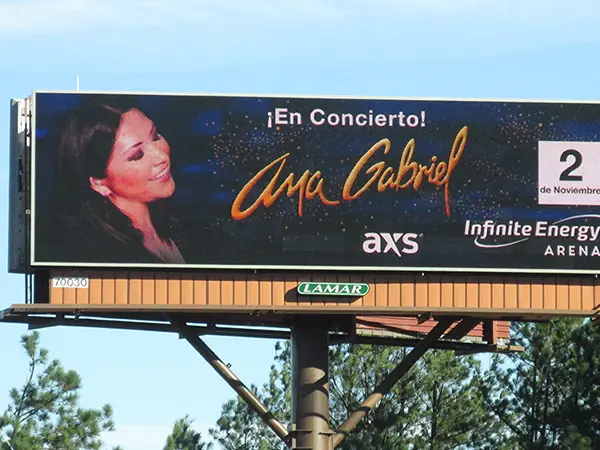
| Event or ticket sales | Venue approaches, nightlife districts, campus routes, downtown arterials | Date, performer/event, urgency, ticket action |
| Brand awareness | High-frequency commute paths and broad-market corridors | Brand name, category, simple reason to remember |
| Local conquesting | Routes near competitor locations or category clusters | Why switch, better access, local advantage |
What "Near Me" Should Really Mean
Near can mean different things depending on the purchase. A coffee shop may care about a three-minute detour. A hospital system may care about patient corridors across a whole metro. A dealership may care about highway visibility across a 30-minute drive radius. A university may care about feeder communities, transit routes, and parent commute patterns.
Before renting billboard space, define the practical service area. Then decide whether the board should capture people entering the area, leaving the area, passing a competitor, or moving toward a purchase location.
Static, Digital, Poster, or Transit?
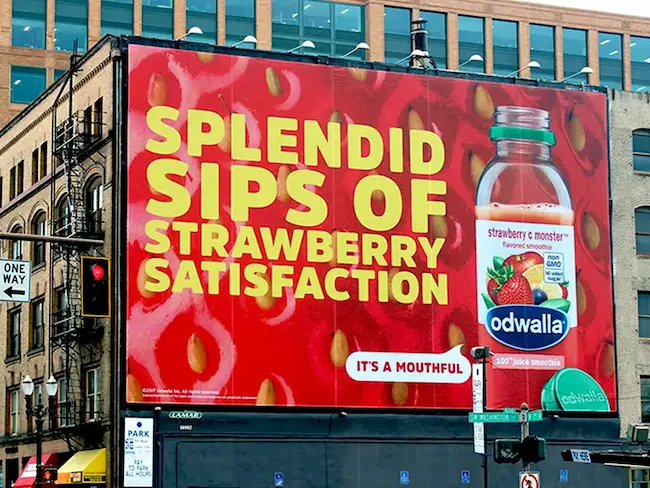
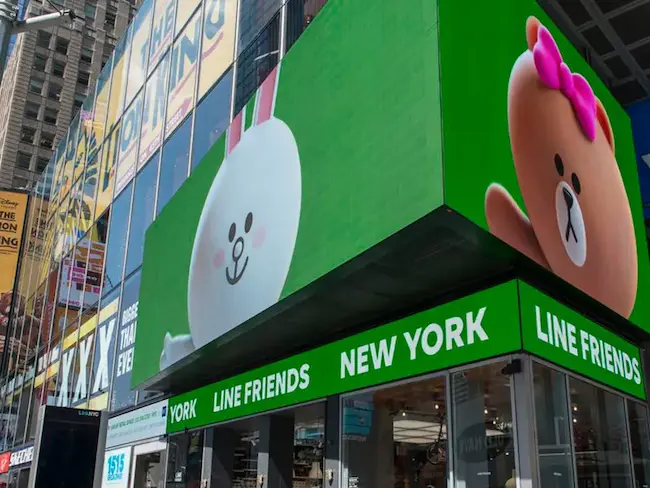
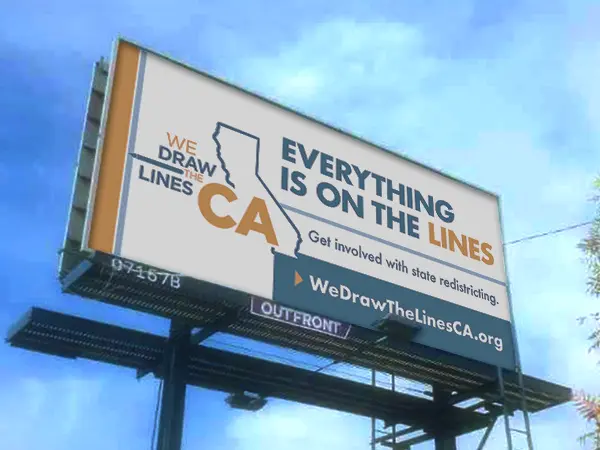
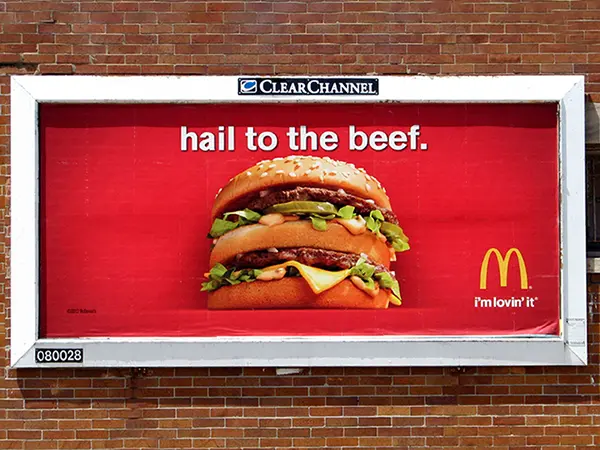
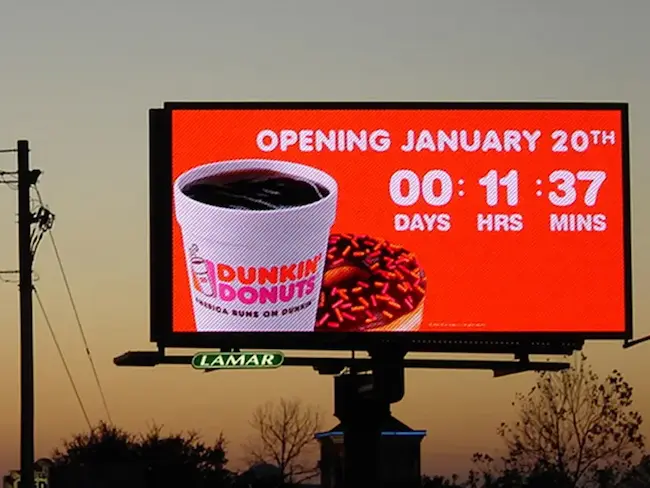
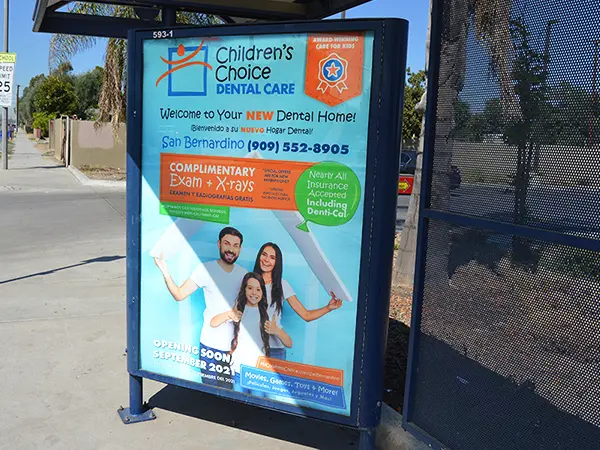
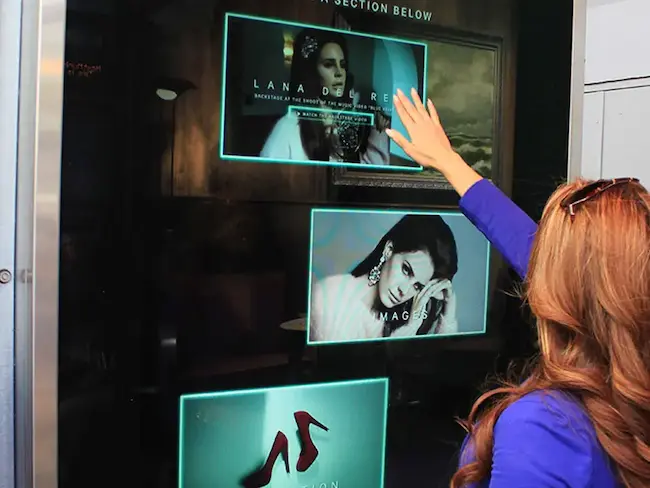
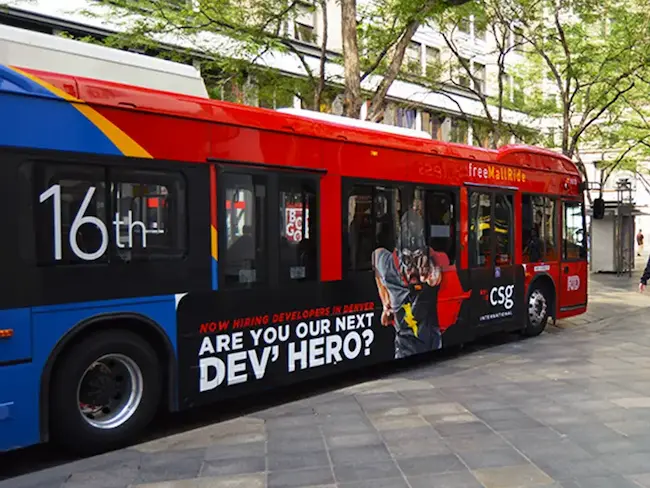
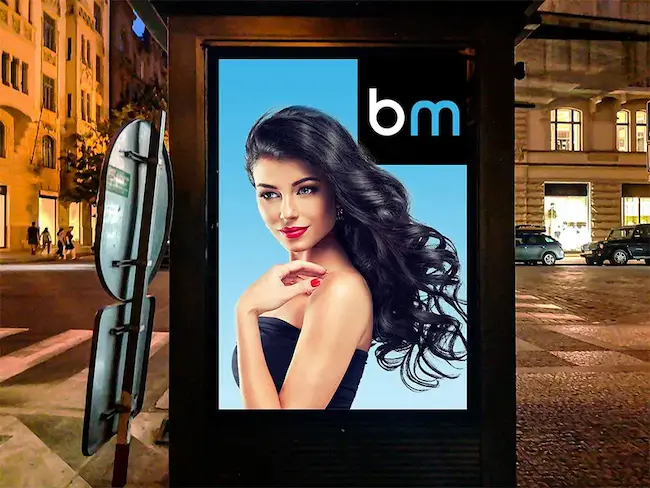
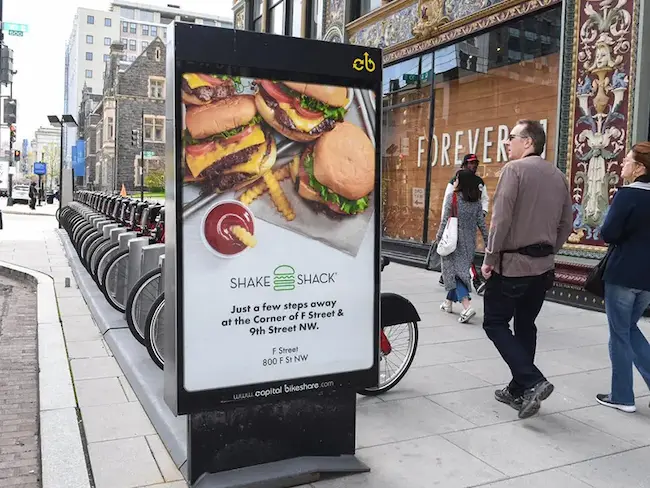
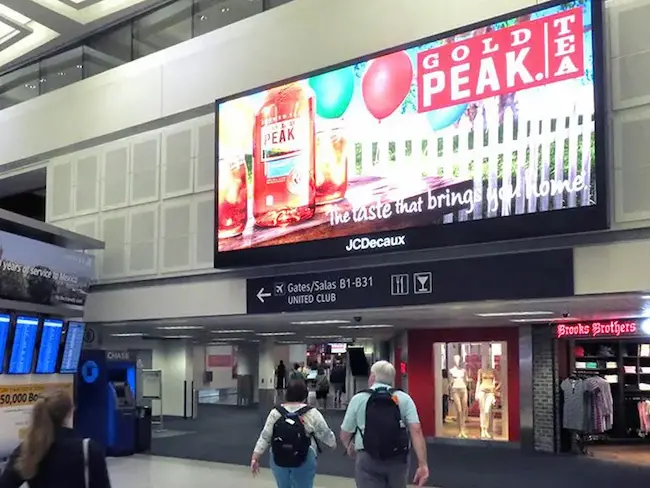
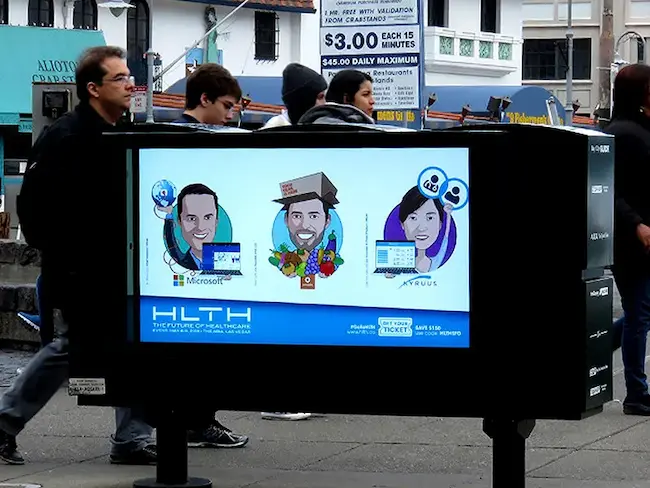
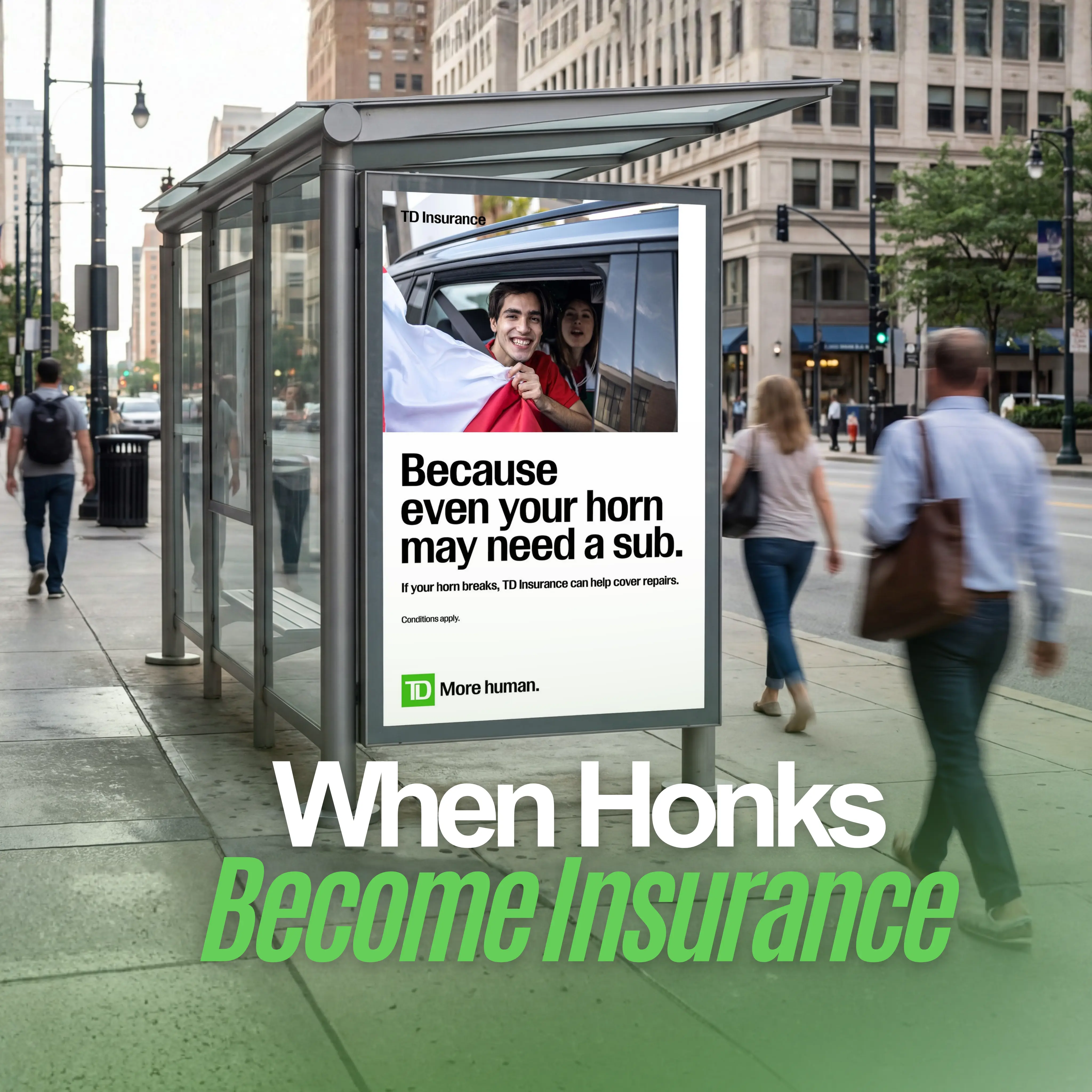
The best format depends on message stability and local geography. Static billboards work well for simple, durable messages that need repetition. Digital billboards work well when creative needs to rotate by daypart, event date, inventory, weather, or promotion. Posters and junior posters can help build neighborhood density. Transit and street-level formats can support downtown, campus, or pedestrian-heavy campaigns.
If you are deciding between static and digital, BM Outdoor's digital vs. static billboard guide breaks down the tradeoffs. If location selection is the hard part, review the best billboard locations guide before approving boards.
How to Evaluate a Local Billboard
- Approach direction: confirm the sign faces the traffic flow that matters.
- Read time: make sure drivers have enough time to understand the message.
- Visual clutter: check whether trees, poles, signs, buildings, or curves reduce impact.
- Audience match: ask who uses the road and why they are there.
- Decision proximity: connect the board to the next action: call, visit, search, book, or buy.
- Creative fit: the board should support one clear message, not a full brochure.
Pricing Without Repeating the Cost Guide
Billboard rental pricing changes by market, format, visibility, demand, production needs, and campaign length. Rather than relying on a generic national average, compare quotes after you know which local audience and route matter. For detailed pricing variables and budget ranges, use BM Outdoor's How Much Do Billboards Cost? guide.
When comparing local quotes, ask what is included: media, production, installation, creative changes, proof-of-performance, and any minimum campaign length. The cheapest board is not always the best local buy if it misses the customer route.
Creative Rules for Local Billboard Rentals
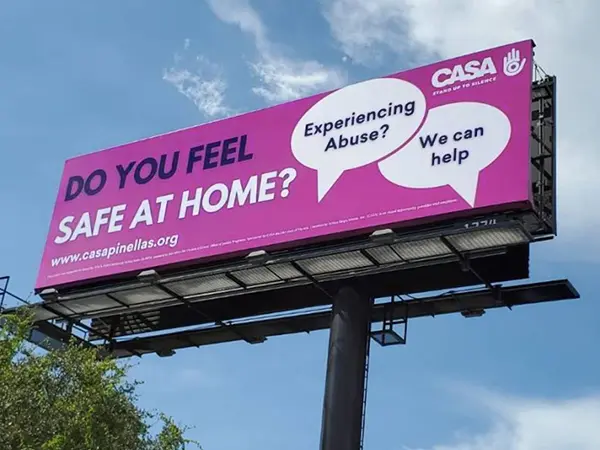
Local creative should be direct. Use a strong brand mark, one claim, one reason to act, and a simple location or URL when useful. Avoid stuffing the board with services, addresses, social handles, and long phone numbers all at once.
Examples of stronger local messages include "Now open near Exit 12," "Same-week appointments," "Tickets this Saturday," "Free estimate today," or "Five minutes from downtown." Each message gives the audience a simple next step. For deeper creative guidance, use BM Outdoor's billboard design best practices guide.
Measuring Local Billboard Performance
Local campaigns can be measured with practical signals. Use call tracking numbers, campaign landing pages, branded search trends, QR codes where the environment supports scanning, promo codes, store visits, form fills, appointment requests, and sales conversations that ask how the customer heard about the business.
Measurement is strongest when the campaign has a baseline. Compare the weeks before launch against the campaign flight and the weeks after. BM Outdoor's billboard ROI guide explains how to build that measurement plan.
City Examples
In a market like Los Angeles, "near me" may mean freeway corridors, neighborhood arterials, and retail districts. In New York City, it may mean borough-specific visibility, transit-heavy routes, and pedestrian context. In Chicago, commuter corridors and neighborhood coverage may matter. In Dallas-Fort Worth, highway patterns and suburban growth corridors can shape the plan.
The point is not that every advertiser needs a large-market plan. The point is that local billboard advertising should reflect how people move in that specific market.
How to Rent Billboard Space
Prepare a short campaign brief: business goal, audience, ideal geography, timing, budget range, creative status, and what success should look like. Then compare local billboard options based on audience fit and route logic, not just distance from your location.
BM Outdoor can help identify available local billboard space, compare formats, evaluate location quality, and build a campaign around your business objective. Request a local billboard quote to start with recommended options in your market.
Frequently Asked Questions
Start by identifying the neighborhoods, commute routes, retail corridors, event areas, or competitor zones that matter. Then compare available static, digital, poster, and transit formats near those routes.
No. The best board may be closer to customer routes than to your office or storefront. Visibility, traffic direction, dwell time, and buying context matter more than distance alone.
Many local campaigns run four weeks or longer, while event, launch, and promotion campaigns may use tighter flights. The right length depends on audience frequency, message urgency, and format availability.
Yes. Local restaurants, dental offices, gyms, contractors, dealerships, schools, event venues, and professional services can use billboards when the board reaches a defined local audience.
Use one clear message, a recognizable brand, a short action, and a location cue if useful. Drivers should understand the offer in a few seconds.
Use call tracking, landing pages, branded search trends, store visits, appointment requests, QR codes where appropriate, promo codes, and before-and-after lead volume.
Pricing varies by market, format, visibility, demand, and campaign length. Use BM Outdoor's billboard cost guide for detailed pricing context before comparing quotes.
Ready to advertise outdoors?
BM Outdoor plans, buys and prints OOH campaigns across all 50 states. Request a free quote with no commitment.


Comments
Be the first to comment.