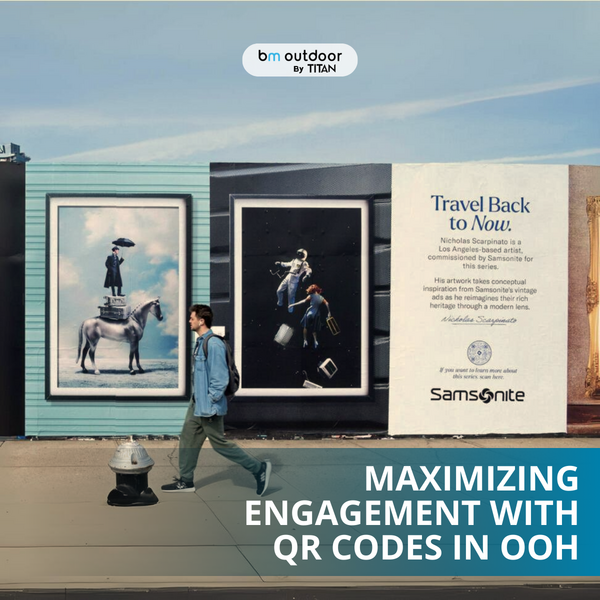
Discover how QR codes enhance OOH advertising, bridging the gap between digital and physical, while ensuring safety and effective engagement strategies.
Transforming Engagement in OOH Advertising
QR codes have revolutionized the way advertisers engage with their audiences, especially in the out of home (OOH) advertising landscape. The integration of QR code scanning capabilities in cell phone cameras by Apple and Google in 2017 has made it incredibly easy for consumers to access information quickly and seamlessly. This technological advancement has opened up exciting opportunities for advertisers to create interactive campaigns that can drive conversions, measurable consumer action, and engagement directly from their OOH advertisements.
The beauty of QR codes lies in their ability to provide a direct link between the physical and digital worlds. With a simple scan, consumers can be directed to websites, promotional content, videos, app downloads, and much more. This capability makes QR codes an incredibly powerful tool for advertisers looking to maximize the impact of their OOH campaigns.
Enhancing Billboard Advertising Rates
Utilizing QR codes in billboard advertising can significantly enhance the effectiveness of campaigns. By bridging the gap between traditional billboard ads and digital engagement, advertisers can track consumer interactions and gather valuable data. This not only increases the return on investment (ROI) for billboard ad rates but also elevates brand visibility.
However, while the potential benefits are significant, it is crucial to use QR codes thoughtfully to ensure safety and effectiveness.
The Dangers of QR Codes in Roadside Situations
While QR codes can be a game-changer for engaging pedestrians in high-traffic areas like shopping districts, airports, and transit hubs, their use in roadside billboards poses significant safety risks. Most states, including Washington D.C., prohibit the use of handheld cell phones by drivers, recognizing the dangers of distracted driving. Encouraging drivers to interact with QR codes while operating a vehicle can lead to hazardous situations on the road.
In addition to safety concerns, there are practical challenges to consider. The effectiveness of a QR code on a billboard depends on various factors such as viewing distance, angle, lighting, and weather conditions. For drivers, these variables make it difficult to scan QR codes safely and accurately. The Out of Home Advertising Association of America (OAAA) strongly recommends that QR codes should not be used in OOH media where they might be viewed by active drivers.
Strategic Placement of QR Codes
Instead, QR codes should be strategically placed in locations where the primary audience consists of pedestrians or stationary drivers, such as parking lots and commercial service stations. This ensures that the audience has the time and ability to interact with the QR codes safely. For advertisers looking to leverage QR codes in their OOH campaigns, the OAAA’s thought piece, “The QR Code Comeback: 5 Tips for Out of Home Designers,” provides valuable guidance on creating effective and readable QR codes for various formats.
In summary, while QR codes offer tremendous potential for enhancing outdoor advertising campaigns, it is essential to use them in ways that prioritize safety and practicality. By focusing on pedestrian-friendly locations and avoiding roadside billboards, advertisers can harness the power of QR codes without compromising on safety.
Conclusion
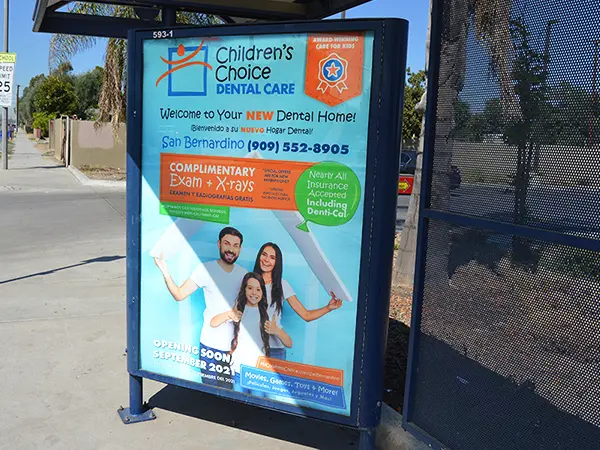
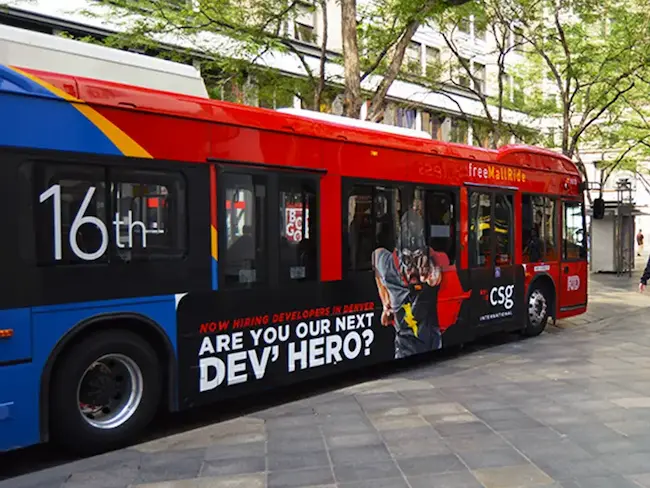
Outdoor advertising, including billboard rental, bus stop advertising, and transit ads, continues to evolve with technology. As advertisers explore new ways to engage consumers, leveraging QR codes will remain a vital part of their strategies. Understanding the billboard advertising costs, such as billboard ad prices and billboard advertising rates, is essential for maximizing the impact of these campaigns while ensuring safety and effectiveness in the modern advertising landscape.
Ready to advertise outdoors?
BM Outdoor plans, buys and prints OOH campaigns across all 50 states. Request a free quote with no commitment.






Comments
Be the first to comment.